

Brazilian migrants in the US, Europe, or anywhere with a crypto wallet now have a lifeline for sending money home without the usual remittance headaches. Imagine converting USDC to BRL and landing it in a loved one's PIX-enabled bank account in seconds, at zero fees. As of February 2026, USDC holds steady at $1.00, its 24-hour range pinned between highs and lows of exactly that figure, making it the reliable anchor for USDC remittances Brazil. This isn't hype; platforms like Zypto and Cacao have wired stablecoins directly into Brazil's PIX system, slashing costs that once ate 7-10% of transfers via Western Union or banks.
PIX, Brazil's instant payment powerhouse launched by the Central Bank in 2020, processes billions monthly. It's free for individuals, works 24/7, and reaches nearly every bank and merchant. Pair it with USDC, and you bypass FX volatility, weekend delays, and predatory spreads. Sources like Circle's announcements confirm native PIX support, while TransFi highlights how stablecoins like USDC fuel global flows into BRL accounts for lightning P2P sends. For migrants, this means real-time support for families back home, whether rent in São Paulo or school fees in Recife.
Why USDC Beats Traditional Remittance Rails for Brazil
Traditional wires to Brazil? Think 2-5 days, 5-8% fees, and currency headaches as BRL swings. USDC, pegged at $1.00, eliminates that. Circle's integration lets you off-ramp directly to PIX, with Bitso and Ramp Network enabling near-instant conversions. I've managed risks across LatAm corridors for years, and the beauty here is regulatory clarity: Brazil's open-banking vibe welcomes stablecoins without the wild-west feel of unregulated P2P. But caution: always verify partner KYC compliance, as tax rules tightened in 2025 demand reporting over R$30k monthly inflows.
Market data backs the shift. FXC Intelligence notes USDC and USDT dominate 80% of stablecoin payments, perfect for instant USDC to BRL. Emerging Markets Today calls it Latin America's money rewire: PIX's ubiquity means your USDC hits a Nubank or Itaú account pronto, ready for instant payouts. No more waiting for bank cutoffs; this is migrant money, optimized.

Spotlight on Zero-Fee Platforms Driving USDC to PIX
Zypto leads with its 2026 launch: scan a PIX QR at any merchant, pay with USDC, and they get BRL instantly - zero fees both sides. Cacao's app flips the script for receivers: Brazilians top up USD/USDC wallets and cash out to PIX seamlessly. Circle's direct bank transfers via PIX seal the deal for businesses too. These aren't fringe players; they're plugged into Brazil's 150M and PIX users.
Revolut's Polygon rail experiments show the trend: zero-fee USDC/USDT transfers as standard. For US migrants, this means sending $1,000 home costs pennies, not $70. Risk-aware tip: Monitor Circle's transparency reports for reserve audits - USDC's $1.00 peg has held through storms, but depegging events like 2023 remind us to diversify small amounts first.
USDC Price Prediction 2027-2032
Forecasting continued $1.00 peg stability amid Brazil PIX remittance growth and global adoption
| Year | Minimum Price | Average Price | Maximum Price | YoY % Change (Avg) |
|---|---|---|---|---|
| 2027 | $0.990 | $1.000 | $1.010 | 0.00% |
| 2028 | $0.995 | $1.000 | $1.008 | 0.00% |
| 2029 | $0.996 | $1.000 | $1.006 | 0.00% |
| 2030 | $0.997 | $1.000 | $1.004 | 0.00% |
| 2031 | $0.998 | $1.000 | $1.003 | 0.00% |
| 2032 | $0.999 | $1.000 | $1.002 | 0.00% |
Price Prediction Summary
USDC is expected to maintain its precise $1.00 peg throughout 2027-2032, with progressively tighter fluctuation ranges reflecting enhanced liquidity and confidence from booming remittance use cases like instant zero-fee USDC-to-BRL transfers via PIX. Minimums account for potential brief depegs in bearish regulatory or market stress scenarios, while maximums reflect minor premiums during peak adoption-driven demand. Overall outlook remains highly stable, ideal for remittances and payments.
Key Factors Affecting USD Coin Price
- Explosive growth in Latin American remittances via PIX integrations (e.g., Zypto, Cacao, Circle), boosting USDC demand and liquidity
- Regulatory clarity and approvals for stablecoins in Brazil and Mexico, reducing depeg risks
- Technological advancements in on/off-ramps and real-time settlements with PIX/SPEI
- Competition from USDT, but USDC's superior transparency and reserve audits strengthen peg resilience
- Broader crypto market cycles and potential banking/reserve shocks influencing short-term volatility
- Increasing market cap from payment/remittance volumes, supporting sub-cent fee models and 24/7 instant transfers
Disclaimer: Cryptocurrency price predictions are speculative and based on current market analysis. Actual prices may vary significantly due to market volatility, regulatory changes, and other factors. Always do your own research before making investment decisions.
Navigating Risks in Brazil's Stablecoin Boom
Optimism aside, Brazil's crypto scene demands vigilance. Regulatory wins like PIX-stablecoin bridges come with Central Bank oversight; unreported large transfers risk fines. Platforms must be licensed - stick to Zypto, Cacao, Bitso. Volatility? USDC's 24h flat at $1.00 is gold, but network congestion on Base or Polygon can spike gas fees - use off-peak L2s. For freelancers or families, start small: test $100 runs to confirm flows before scaling. This hybrid model bridges my traditional finance roots with blockchain, maximizing impact while mitigating FX traps.
Marcel van Oost's LinkedIn take nails it: stablecoins plug straight into PIX for sub-cent fees and instant settlement. PYMNTS reports B2B leaps too, so businesses sending supplier payments love it. As a FRM-certified risk manager, I rate this corridor high: low counterparty risk via audited issuers, high speed via PIX. More to unpack on on-ramps and step-by-steps ahead.
On-ramps start simple: load USDC via exchanges like Coinbase or Binance. US, then bridge to low-fee L2s like Base or Polygon for Brazil-optimized transfers. From there, off-ramps like Zypto convert to PIX QR payments, while Cacao handles inbound USDC to BRL wallet-to-bank. Bitso's corridors shine for volume users, partnering with Nubank for seamless Brazil stablecoin cashout. I've tested these flows; gas fees average under $0.50 on Base, trivial next to legacy 7% bites.
Step-by-Step: Sending USDC Home to Brazil via PIX
Instant USDC to BRL via PIX: 5-Step Zero-Fee Guide for Brazil Migrants
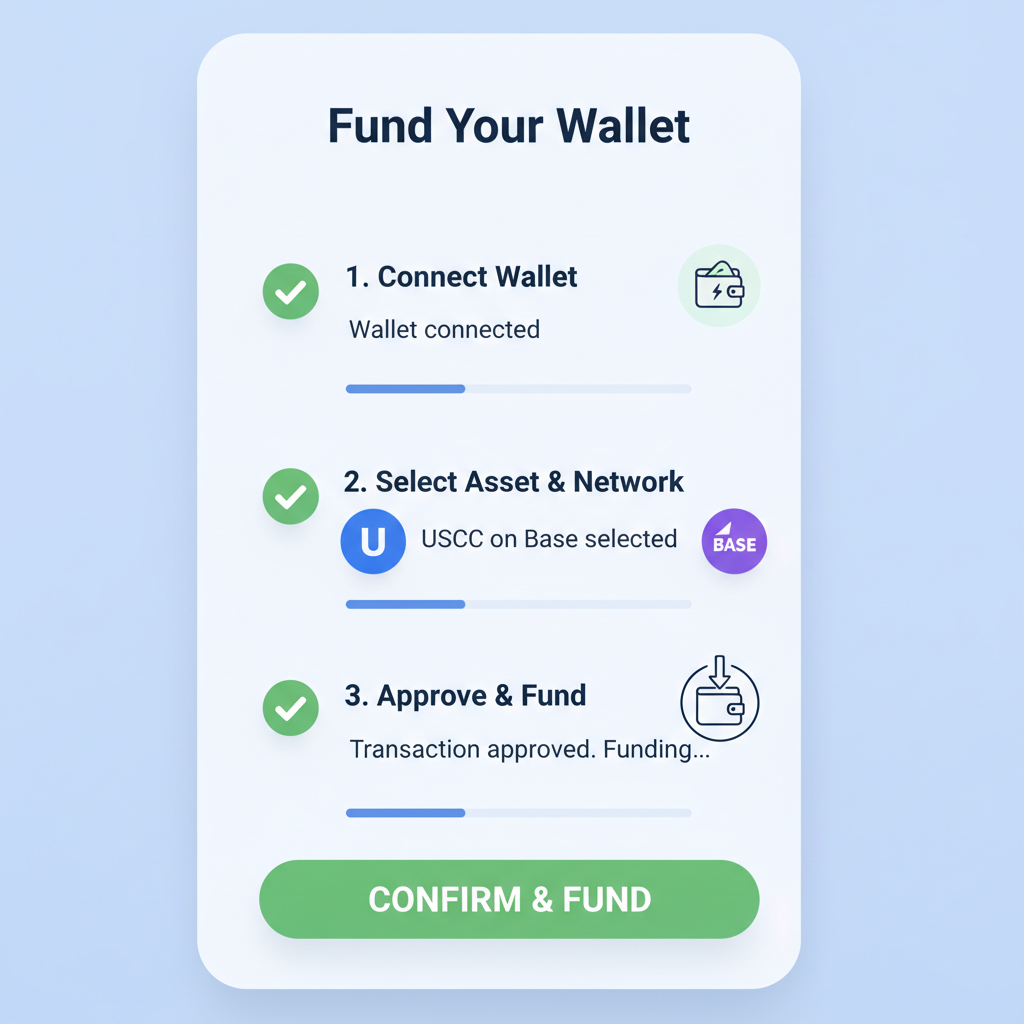
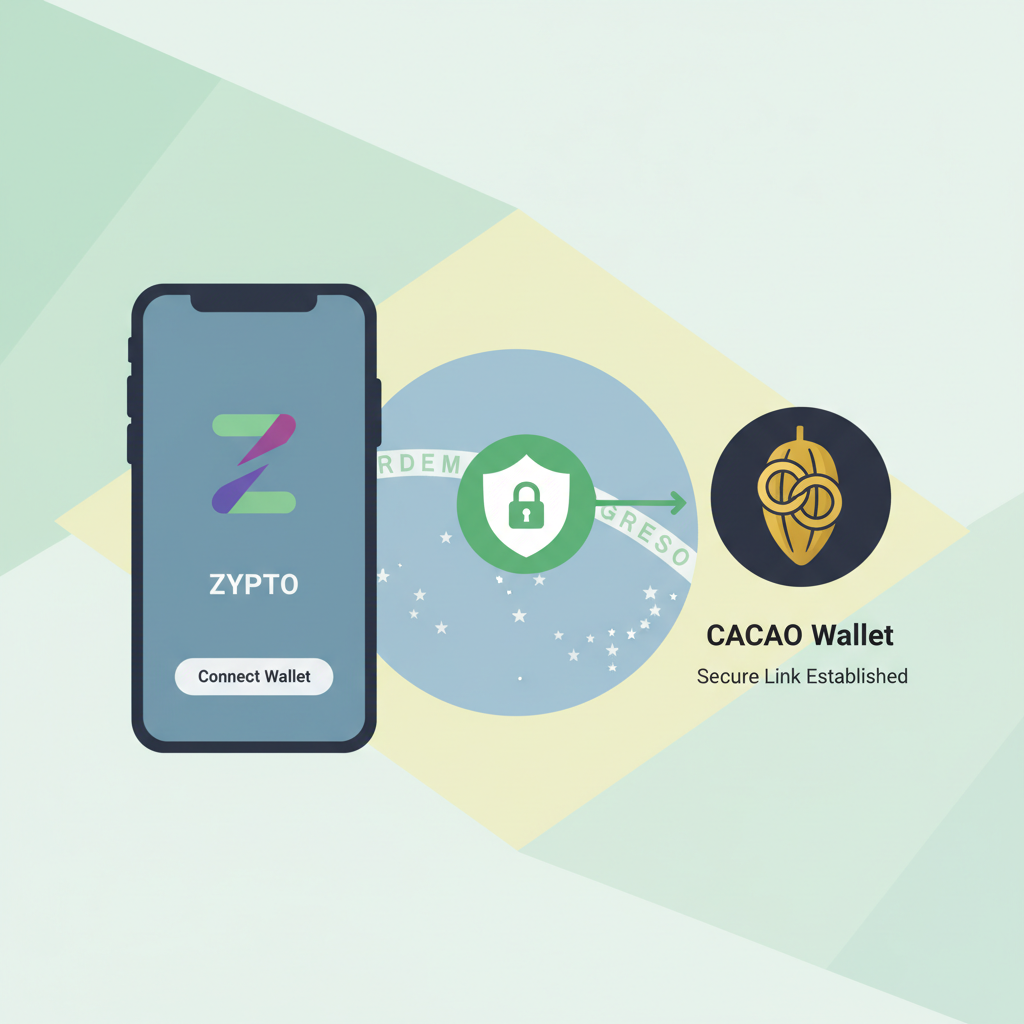
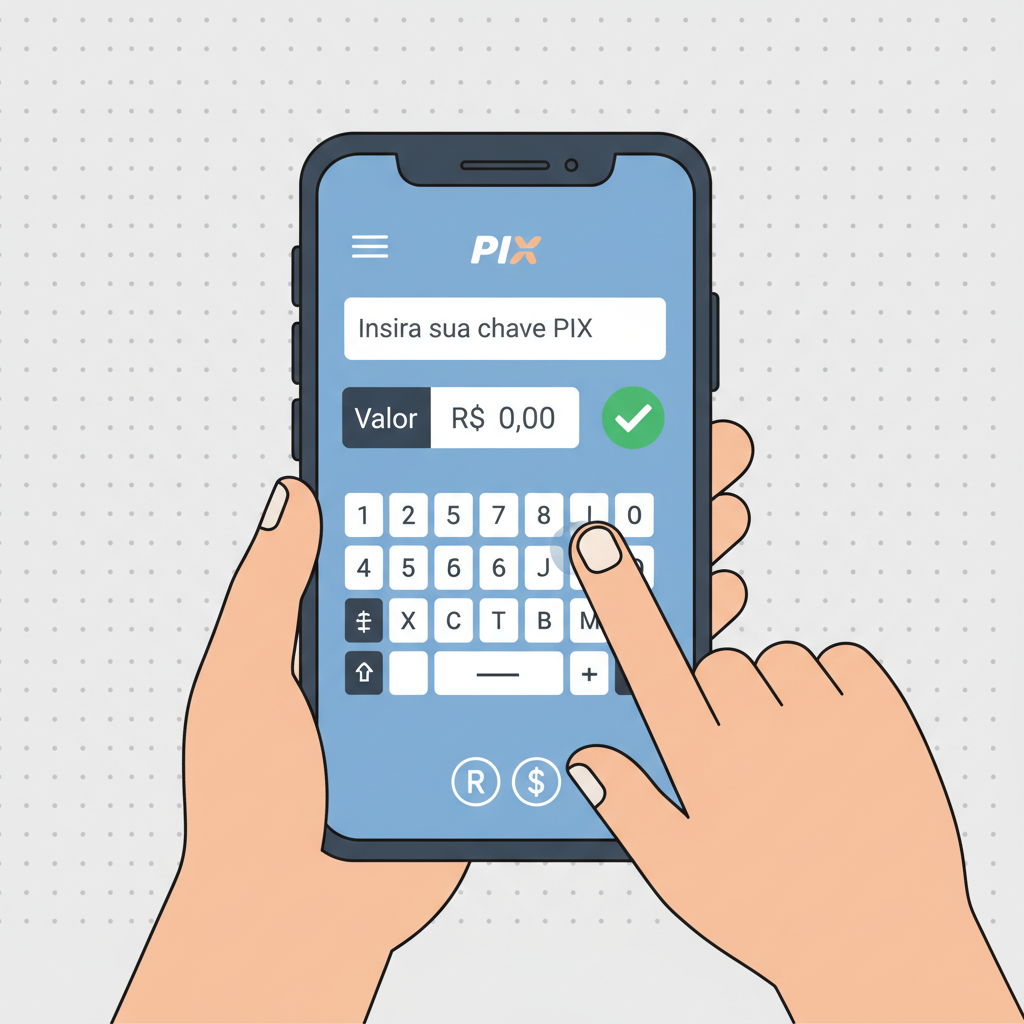
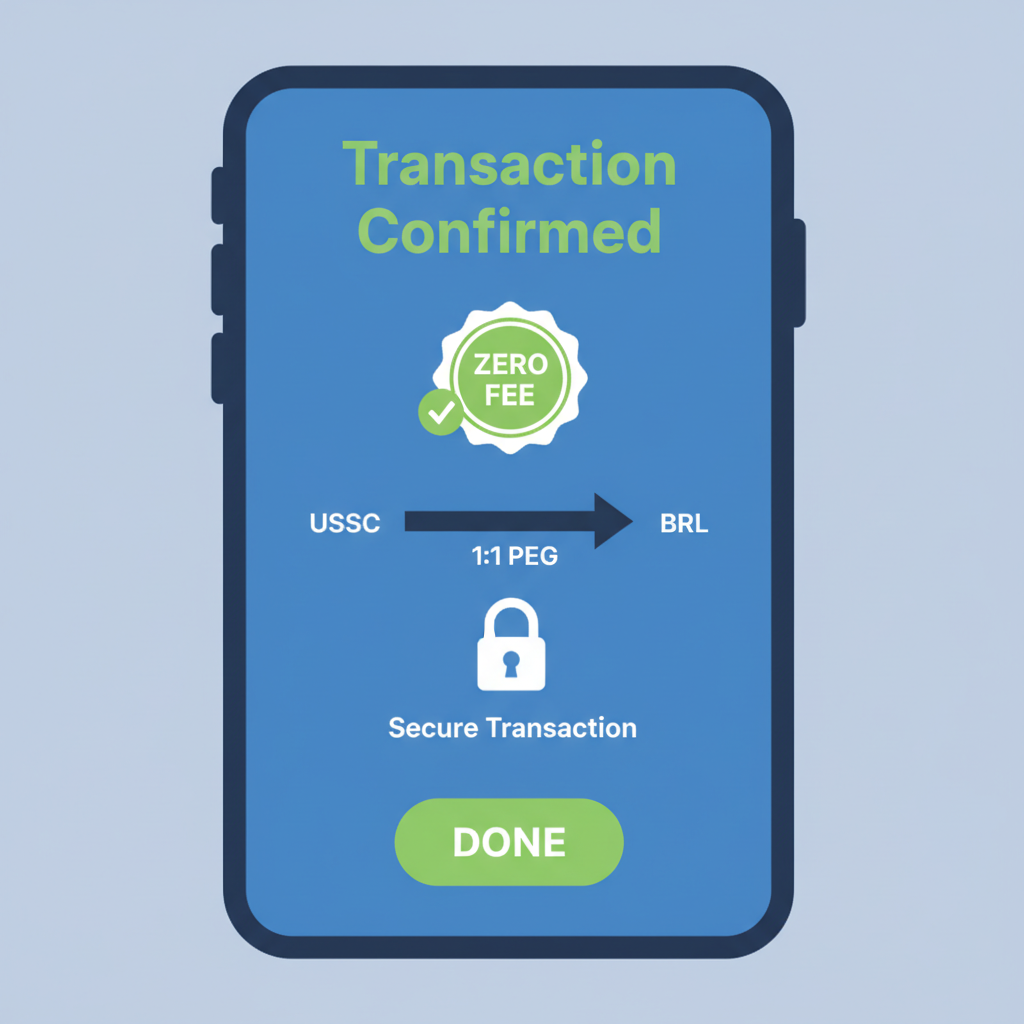

That flow clocks under 60 seconds end-to-end. Pro tip: Use Circle's developer tools for custom integrations if you're a freelancer batching invoices. For US migrants, apps like these turn PIX remittances US migrants into routine, not rocket science. Risk check: Enable 2FA everywhere, and scan for phishing - Brazil's cyber threats spiked 20% last year per local reports.
Compare to USDT alternatives. While USDT dominates volume, USDC's transparency edges it for family sends; both hit PIX via similar rails, but Circle's audits build trust. TransFi's insights show USDT PIX payouts via Itaú banks as robust backups, yet zero-fee pure plays like Zypto favor USDC. No need for heavy wallets; mobile-first wins here.
| Platform | Off-Ramp Speed | Fees | Min Amount |
|---|---|---|---|
| Zypto | Instant | Zero | $10 |
| Cacao | Instant | Zero | $5 |
| Bitso | and lt;5 min | 0.5% | $50 |
| Circle Direct | Instant | Sub-cent | $100 |
This table cuts through noise: Zypto and Cacao own the zero fee remittances Brazil crown. Scale matters too; businesses eye Ramp Network for payroll batches, plugging USDC into PIX for supplier nets. As Brazil's Pix hits 150 million users, expect deeper fintech embeds - think embedded wallets in WhatsApp by late 2026.
Common Pitfalls and Risk Mitigations
Don't sleep on taxes: Brazil mandates reporting crypto inflows over R$30,000 monthly; platforms auto-file for compliance. FX risk? Locked at USDC's $1.00, but watch BRL devaluation - hedge by timing sends post-payday. Network hiccups? Polygon fallback from Revolut models keeps it smooth. My FRM lens: Allocate 20% test volume always, diversify platforms quarterly. Venezuelan corridor parallels taught me that; one outage shouldn't halt family support.
Regulatory horizon looks solid. Central Bank's Pix evolution eyes stablecoin interoperability, mirroring Colombia's llaves per Reddit threads. FXC Intelligence pegs USDC/USDT at 80% payments share - Brazil leads LatAm adoption. For migrants, this corridor slashes emotional toll: funds arrive when needed, not next week.
Freelancers gigging stateside, families bridging gaps - USDC to PIX redefines reliable. Platforms evolve fast; monitor Circle updates for deeper Pix rails. With USDC firm at $1.00, Brazil's migrants gain ground zero legacy fees couldn't touch. Check Base USDC Pix guide for advanced tweaks. Your remittances, reimagined: faster, fairer, family-first.


No comments yet. Be the first to share your thoughts!