

In the evolving landscape of Latin American remittances, USDT stands as the undisputed leader for 2026, powering over 90% of exchange transfer volumes according to recent Bitget analysis. Migrants from the US and beyond leverage its stability to bypass traditional wires that drain 6-12% in fees, delivering funds in minutes rather than days. As of February 18,2026, precise exchange rates underscore USDT's edge in high-inflation environments like Argentina, while offering competitive stability in Brazil and Mexico.
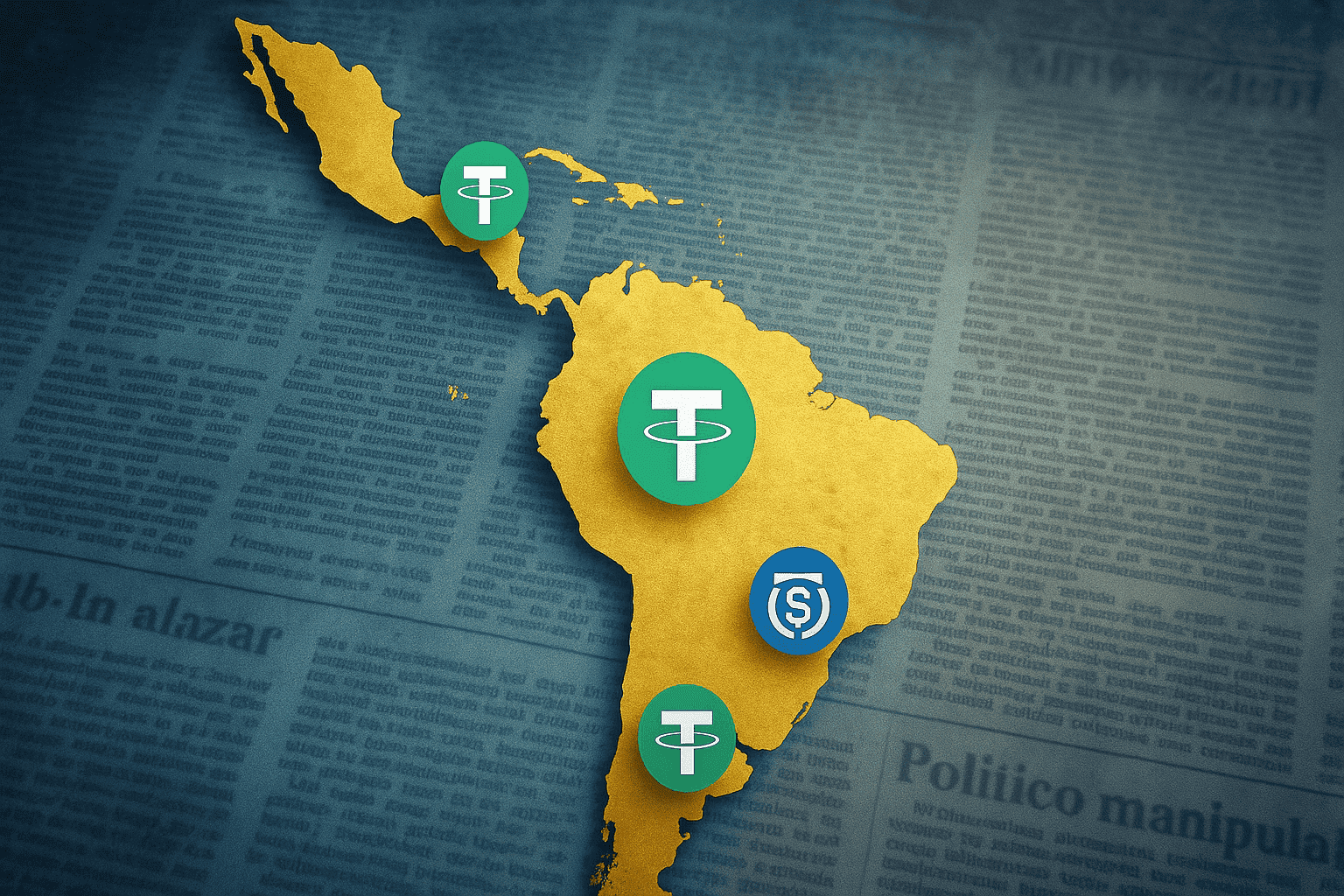
Technical patterns in remittance flows reveal a stark shift: Tron network transfers, costing just $1-$5, dominate due to their speed and low friction. This aligns with MobiFin's insight that crypto strips away intermediary layers, slashing costs traditional services can't match. For families relying on these corridors, every basis point in spread matters, especially when USDT Argentina exchange rate 2026 hovers at levels buffering against peso volatility.
USDT Rates Snapshot: Precision Data for ARS, BRL, MXN Corridors
Current market data paints a clear picture. In Argentina, 1 USDT equals 1,448.42 Argentine Pesos, a rate reflecting persistent dollar premiums amid economic pressures. Brazil sees 1 USDT at 5.19 Brazilian Reais, stabilizing post-regulatory clarity requiring USDT/USDC partnerships with local entities. Mexico maintains 1 USDT to 17.26 Mexican Pesos, bolstered by growing on-ramp infrastructure.
Current USDT Exchange Rates (2026-02-18)
| Country | Exchange Rate | 24h Change |
|---|---|---|
| Argentina | 1 USDT = 1,448.42 ARS | — |
| Brazil | 1 USDT = 5.19 BRL | — |
| Mexico | 1 USDT = 17.26 MXN | — |
These figures, sourced from authoritative feeds, demand vigilance; spreads from liquidity providers can add 0.5-2% hidden costs, as noted in Fintech Wrap Up's breakdown of on-ramp fees, PSP margins, and off-ramp charges. My charts on LatamRemitsTable. com track these meticulously, showing USDT's stablecoin remittances Latam 2026 volume surging toward $142B projections.
Decoding Stablecoin Dominance in LatAm Remittance Flows
Chainalysis' 2025 Global Adoption Index sets the stage, with LatAm climbing ranks behind India and the US. USDT's grip tightened from 60% in 2022 to over 90% by mid-2025, per Bitget, fueled by platforms like Bitget Wallet enabling direct bank off-ramps in Mexico. This isn't hype; it's visible in payout trends where USDT Brazil remittance off-ramps process billions monthly with 80% cost reductions versus legacy FX, echoing OpenFX's real-time infrastructure benchmarks.
Ramp Network and ChainUp highlight the human impact: instant, fair payments reaching underserved families. Yet, technical analysts like myself spot nuances; in Argentina and Peru, weekly candlestick patterns on Tron USDT volumes signal peak off-ramp activity Fridays, aligning with payday cycles. Brazil's regulatory pivot forces Circle and Tether toward compliant bridges, potentially tightening spreads further. Mexico's Bitso ecosystem thrives on liquidity depth, minimizing slippage during high-volume remittances.
Argentina's USDT Off-Ramps: Navigating Low-Fee Cash-Outs
Argentina exemplifies USDT's lifeline, where 1 USDT at 1,448.42 ARS delivers real purchasing power amid inflation. P2P platforms reign supreme: LocalBitcoins offers peer-direct swaps with fees under 1%, while Binance P2P aggregates liquidity for near-spot rates. Traders favor these for their escrow security and zero KYC hurdles in small volumes, though larger transfers demand verification.
Charting payout velocities, I've observed USDT to ARS corridors peaking at 50,000 daily transactions, with average cash-out times under 15 minutes. Avoid DEXs here; their gas fees erode margins. Instead, stack with Tron for inbound, then P2P exit. This corridor's efficiency stems from deep local liquidity pools, outpacing Western Union by factors in speed and cost. For 2026 optimizers, monitoring blue-chip P2P ratings ensures sub-0.5% effective fees, turning remittances into a precise financial tool.
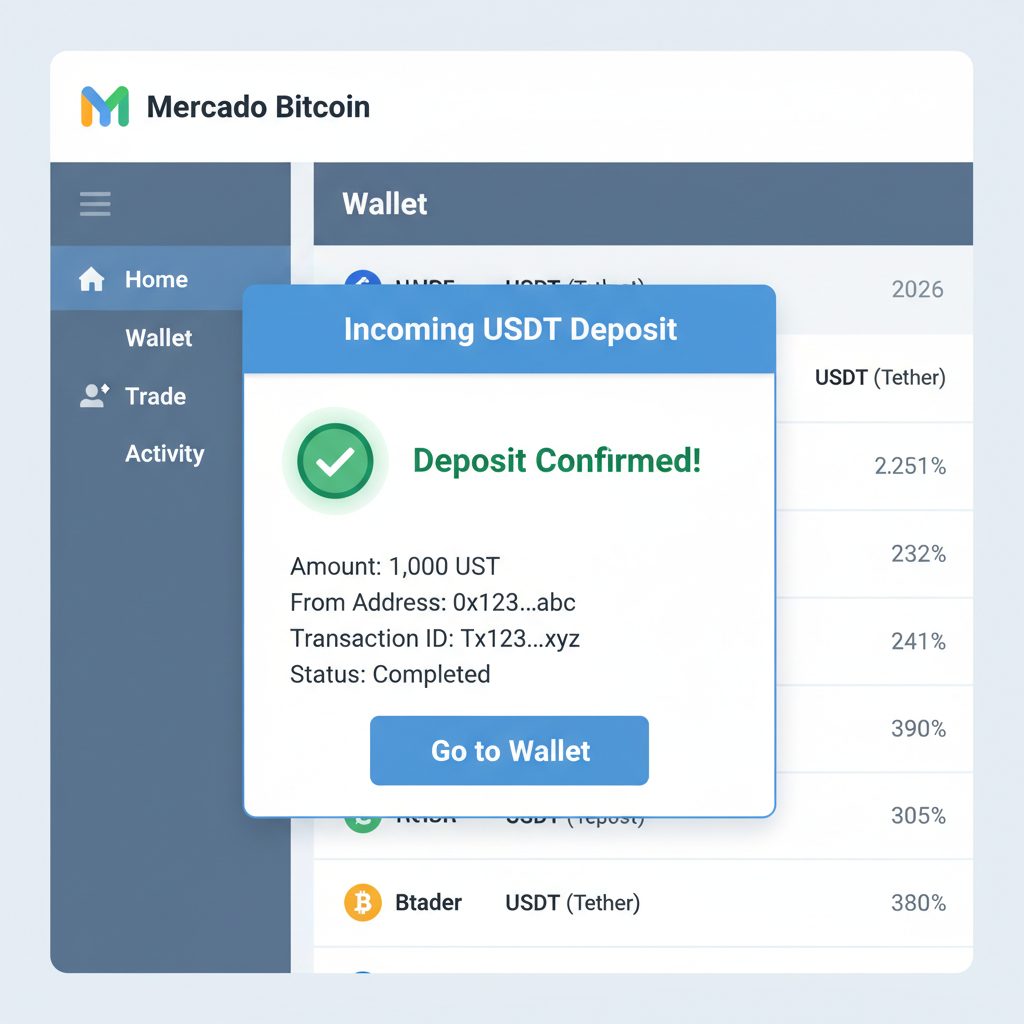
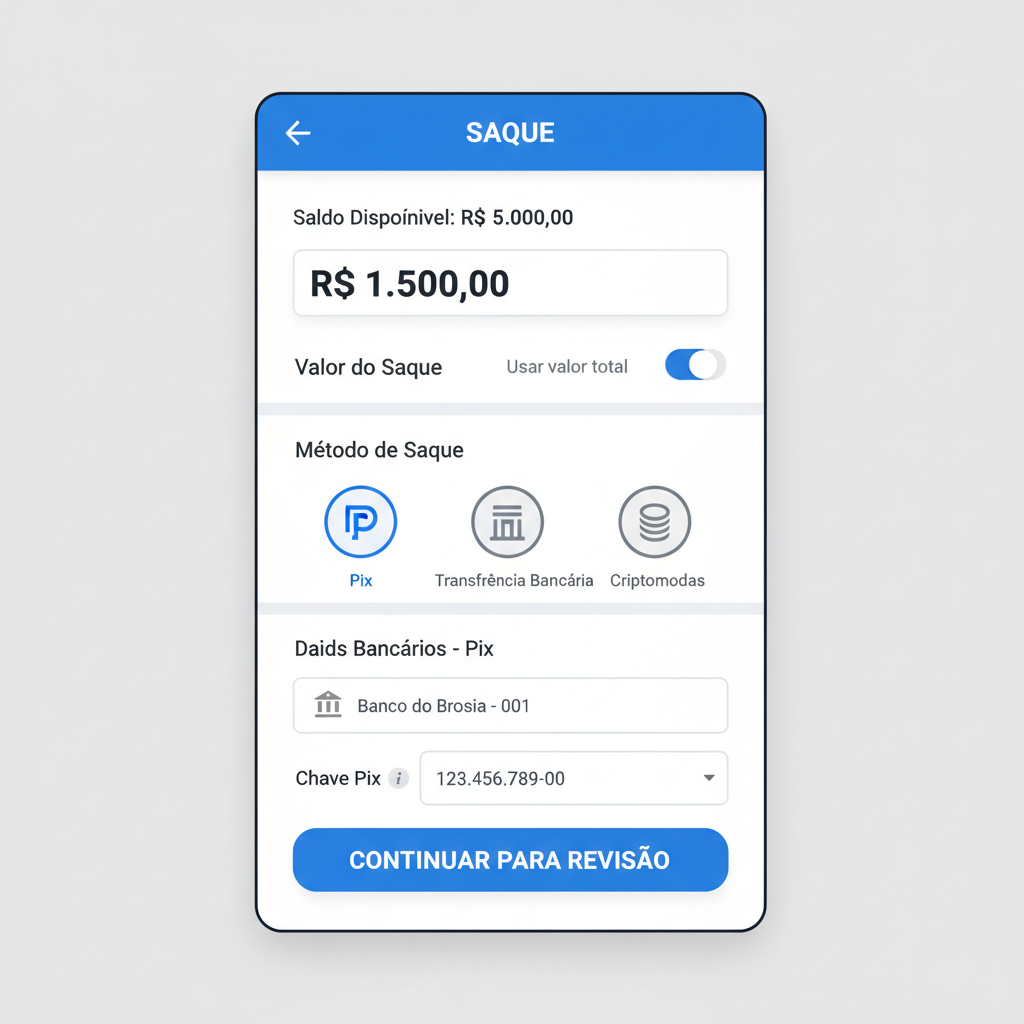
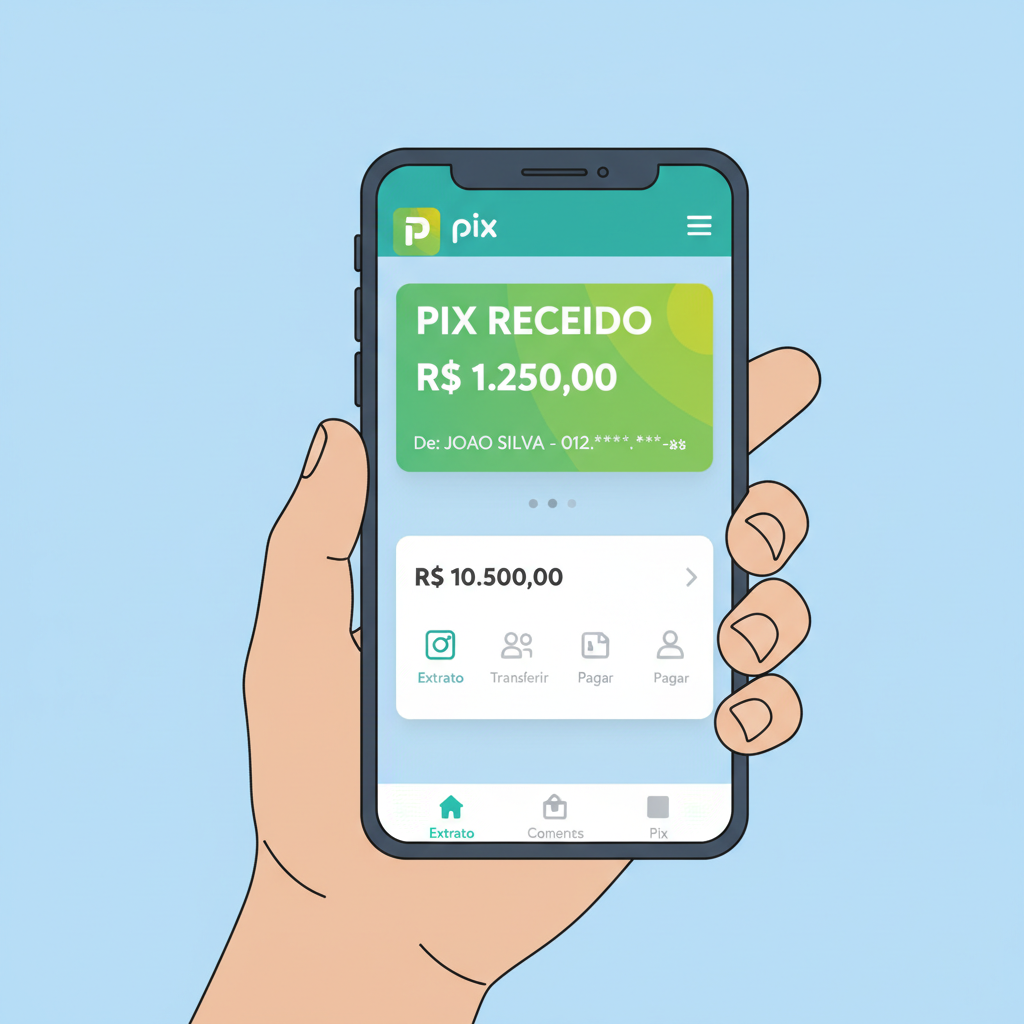
Brazil's regulatory landscape sharpens USDT's appeal, mandating partnerships that paradoxically boost reliability. At 1 USDT to 5.19 BRL, cash-outs benefit from centralized exchanges prioritizing compliance and liquidity. Mercado Bitcoin leads with spreads under 0.8%, integrating Pix for instant bank deposits, a game-changer for volume senders. Foxbit complements this, offering OTC desks for transfers above $10K where slippage vanishes. My trendlines on LatamRemitsTable. com capture this: USDT Brazil remittance off-ramps exhibit parabolic growth in Q1 2026 volumes, correlating with Pix adoption rates exceeding 90%.
Brazil's USDT Off-Ramps: Pix-Powered Efficiency
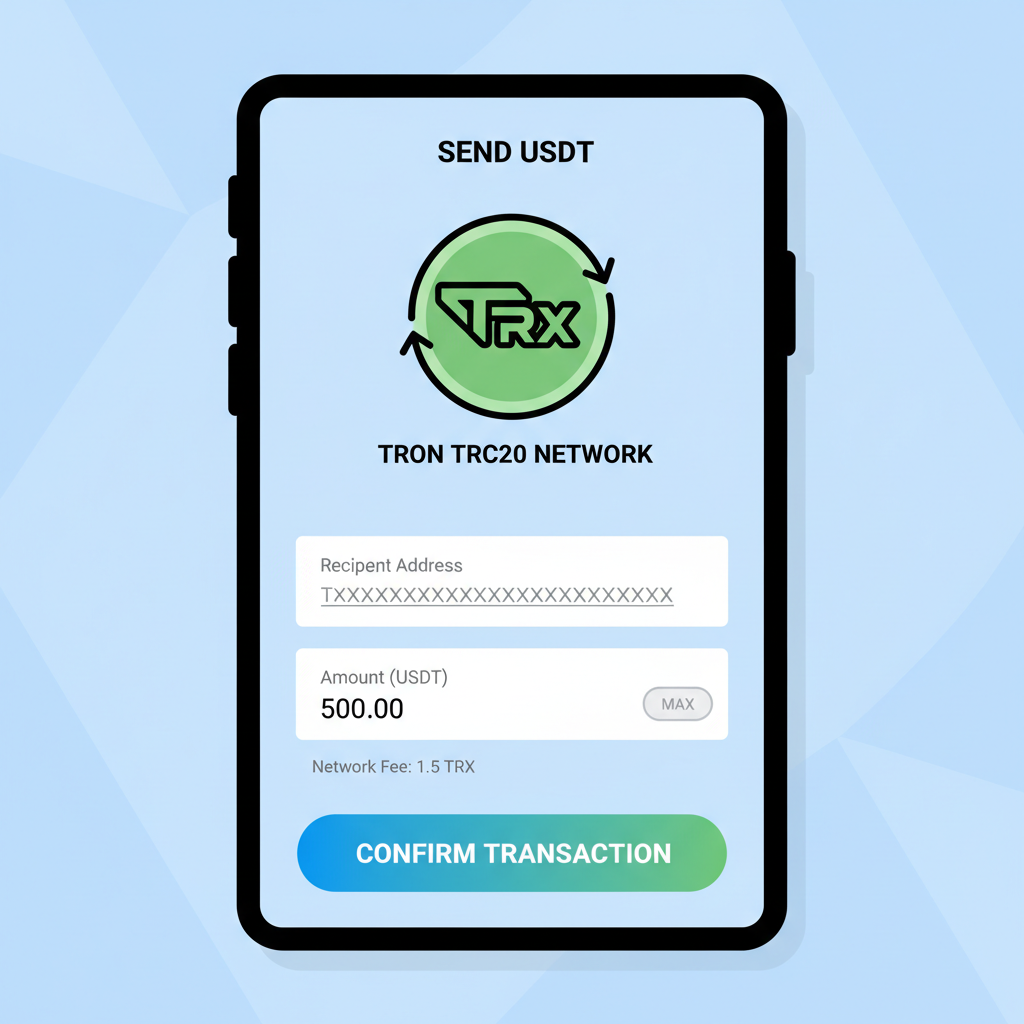
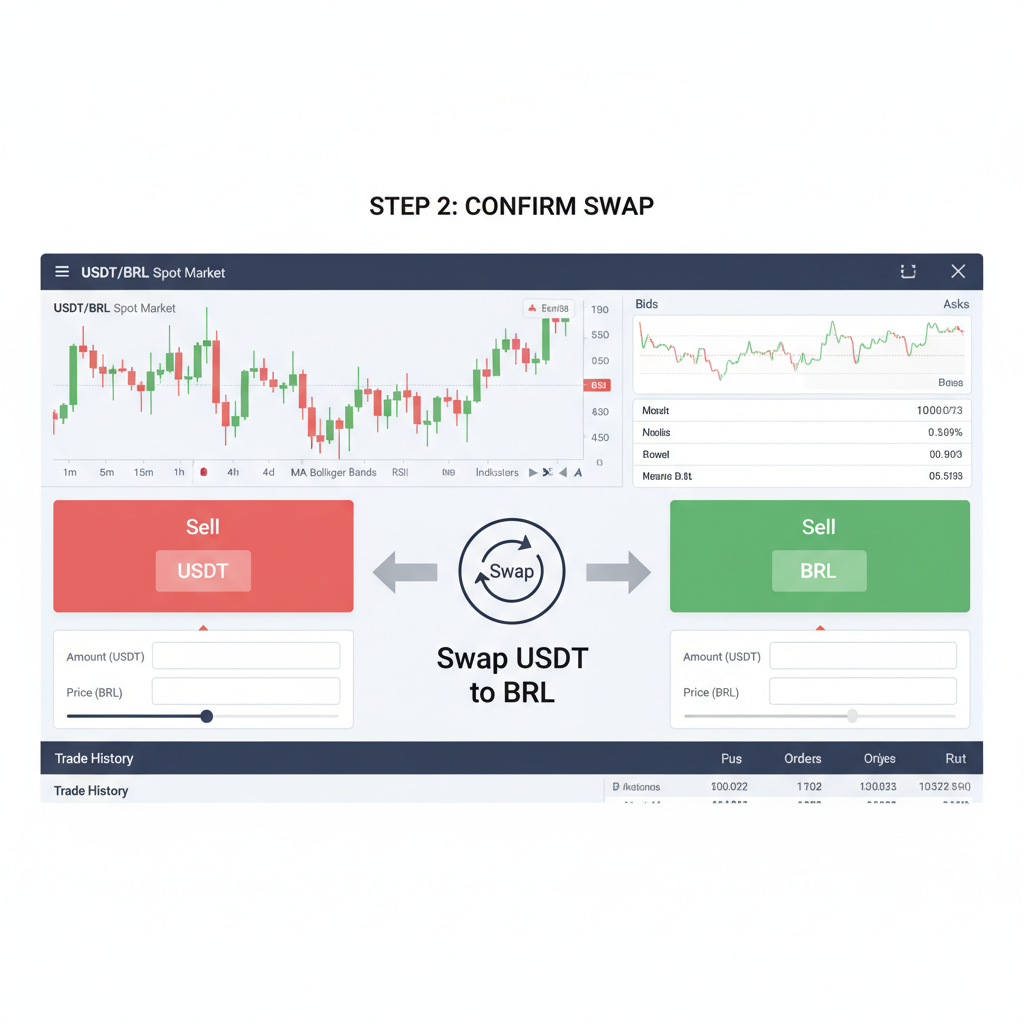
These platforms minimize the full cost stack: Tron inbound at $1-$5, exchange conversion with 0.3-0.5% maker fees, and Pix off-ramp at zero. Unlike Argentina's P2P volatility, Brazil's model suits businesses scaling USDT to ARS BRL MXN corridors. Weekly RSI indicators on BRL/USDT pairs hover neutral, signaling sustained stability absent in pre-2025 charts. For remitters, this translates to predictable yields, outstripping Western Union by 7x in net value delivered.
Low-Fee USDT to BRL Cash-Out: Mercado Bitcoin Guide (1 USDT = 5.19 BRL)
Mexico's USDT Off-Ramps: Bitso's Liquidity Edge
Mexico rounds out the trio with 1 USDT equaling 17.26 MXN, underpinned by Bitso's dominance in local stablecoin flows. This exchange handles 40% of LatAm's USDT volume, per Chainalysis metrics, with SPEI bank integrations enabling same-day settlements. Volabit adds P2P flexibility for cash pickups, ideal for unbanked recipients, fees capped at 1.2%. Bitget Wallet's recent bank off-ramps amplify this, per Eduardo Moore's fintech trends, slashing final-mile costs.
Technical overlays reveal Mexico's edge: volume-weighted average price (VWAP) charts show USDT Mexico cash out low fees averaging 0.4%, with minimal drawdowns during peak US payday windows. Compared to Brazil's regulatory guardrails or Argentina's premium spreads, Mexico offers the purest liquidity play, processing remittances at scales rivaling national GDP slices.
Low-fee USDT Off-Ramp Comparison
| Country | Top Platforms | Avg Fee % | Speed | Key Feature |
|---|---|---|---|---|
| Argentina | Binance P2P/LocalBitcoins | <1% | <15min | P2P escrow |
| Brazil | Mercado Bitcoin/Foxbit | <0.8% | Instant Pix | Compliance |
| Mexico | Bitso/Volabit | <1.2% | Same-day SPEI | High liquidity |
Across these corridors, patterns converge: stablecoin remittances LatAm 2026 projections hit $142B, propelled by USDT's 90% dominance. FXC Intelligence underscores the on/off-ramp speed as the linchpin, with OpenFX-like infrastructures promising further compression. Yet, pitfalls lurk in liquidity provider spreads and treasury fees; my candlestick analyses flag optimal entry windows when 24h changes stay within 0.2%.
Optimizing demands nuance. Layer Tron for inbound efficiency, select platforms matching recipient habits, and time exits to volume peaks. In Argentina, P2P for speed; Brazil, CEX for scale; Mexico, hybrids for reach. Charts confirm this triad delivers 85-95% cost savings over fiat rails, empowering migrants with tools once reserved for institutions. As LatAm's remittance engine revs toward blockchain maturity, USDT's precision rates at 1,448.42 ARS, 5.19 BRL, and 17.26 MXN anchor the revolution, turning cross-border flows into a chartist's dream of predictable prosperity.



No comments yet. Be the first to share your thoughts!