
Brazil USDC to PIX Transfers 2026: Instant Remittance Corridors
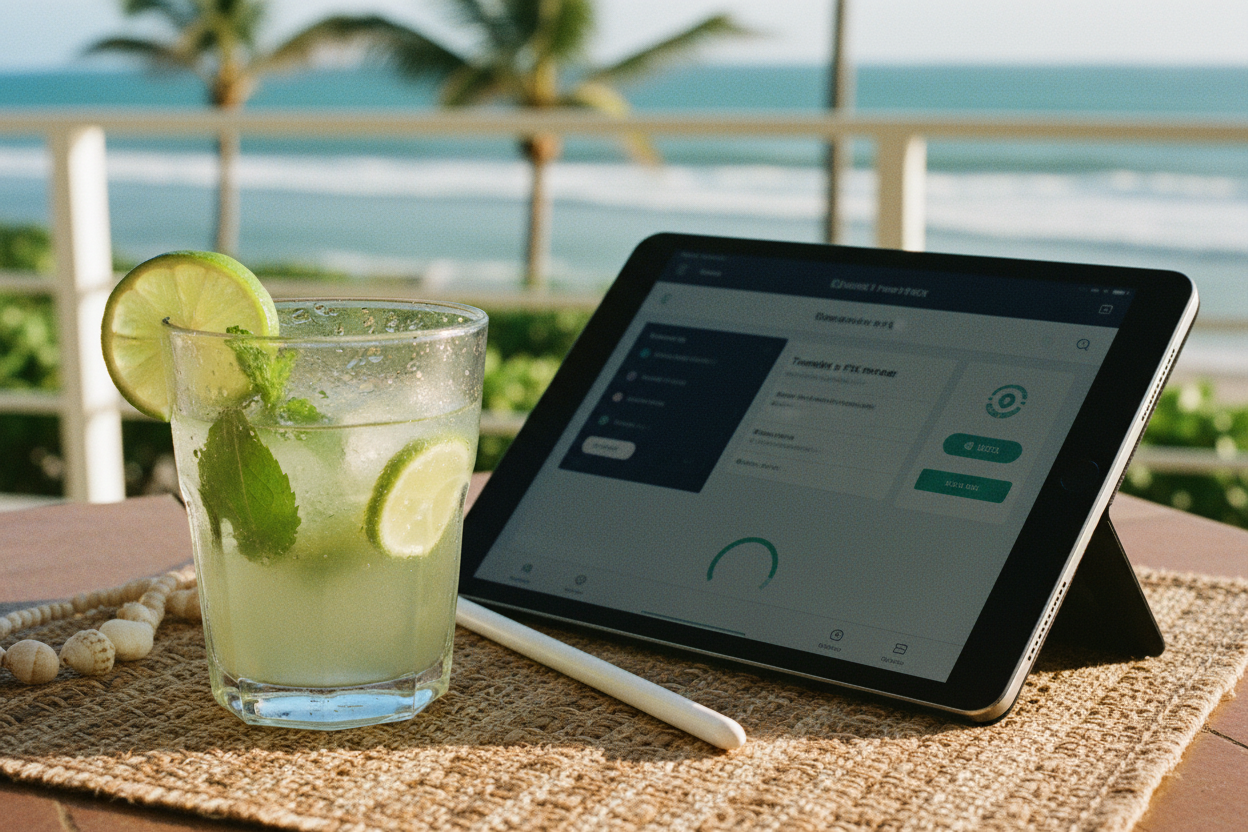
Brazil’s PIX system, already a global benchmark for instant payments with over 160 million users, has fused with USDC in 2026 to redefine remittance efficiency. Migrants and businesses now convert dollars into reais in minutes, dodging the multi-day delays and hefty fees of traditional wires. This corridor leverages Circle’s infrastructure for direct bank transfers, turning stablecoins into everyday cash-outs via PIX rails. As digital remittances claim 61% of the global market, over $550 billion per PCMI estimates, the Brazil-USDC lane stands out for its speed and scalability.

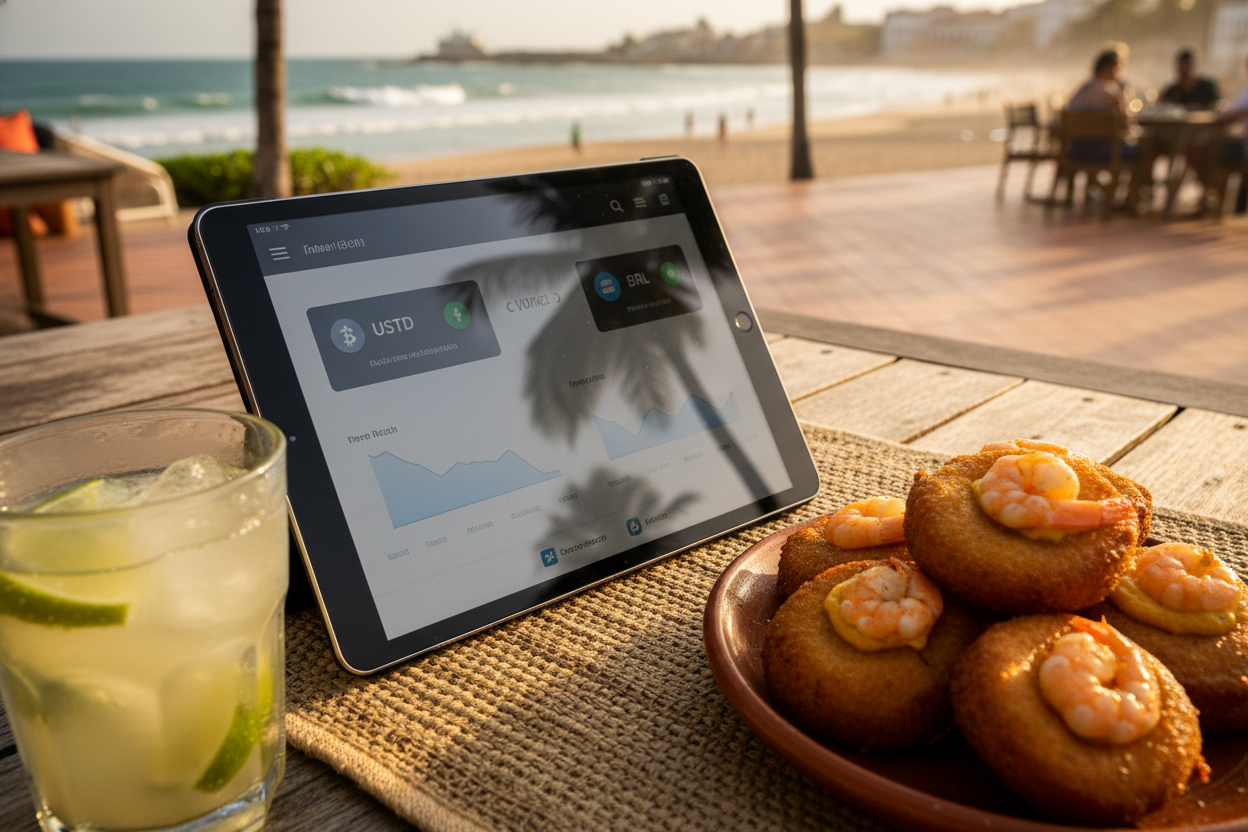
Technical patterns in remittance flows reveal a sharp uptick in USDC volume post-integration. Polygon network transfers clock in at $0.50 to $2 fees, far below legacy options. Yet, nuances like the 2025 IOF adjustment to 3.5% on international PIX demand savvy navigation. Charts tracking these flows on latamremitstable. com show consistent intraday spikes during US peak hours, signaling migrant-driven demand.
Circle and Matera Pioneer USDC-PIX Rails
Circle’s February 2026 entry into Brazil marks a pivotal shift, enabling financial institutions to hold USDC alongside BRL and USD. Partnering with Matera, they’ve unified infrastructures for real-time payouts. This setup allows seamless on-ramps from US wallets to PIX endpoints, eliminating intermediary banks. For remitters, it means USDC Brazil PIX remittances settle in under 10 seconds, 24/7, even on holidays.
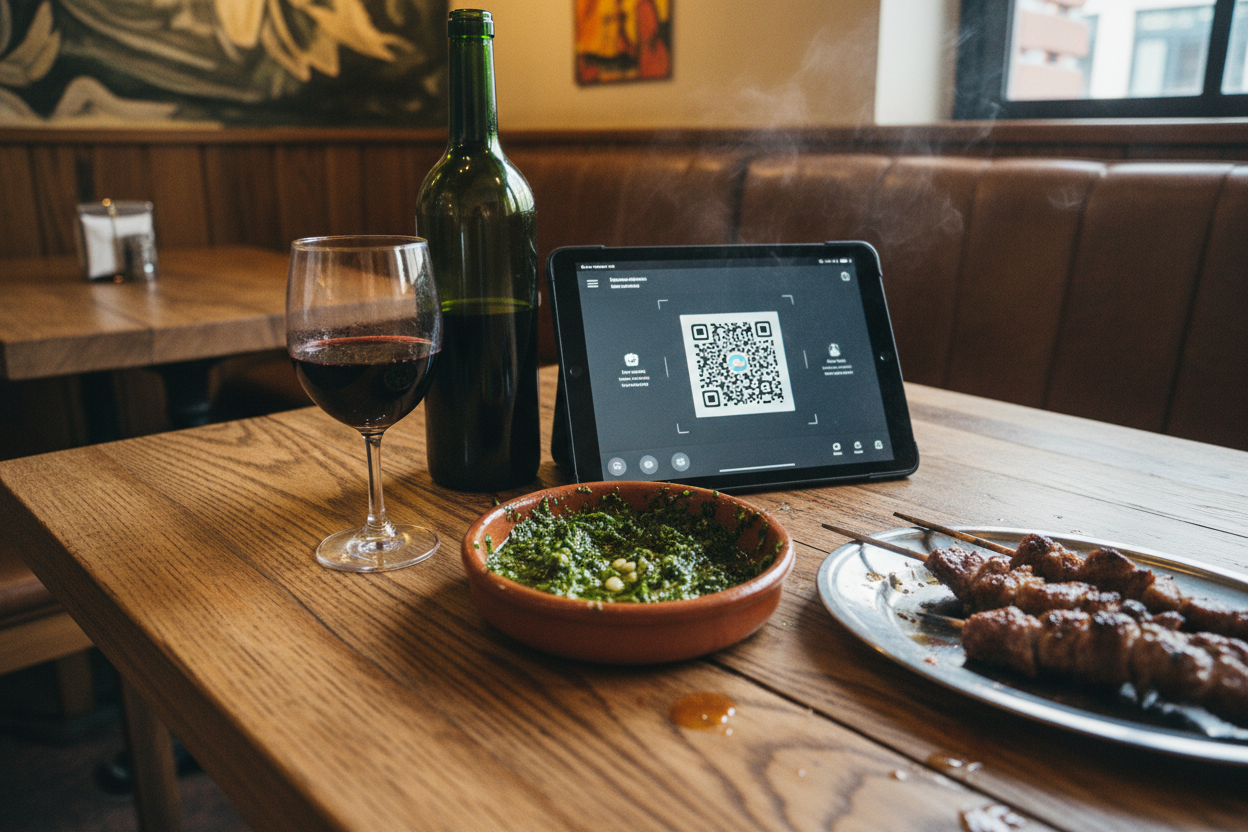
Zypto’s app exemplifies this: scan a PIX QR, pay with USDC, receive reais instantly, no off-ramps needed. TransFi’s integrations further paperless the process, converting global USDC inflows to local PIX disbursements. Lightspark’s analysis underscores PIX’s low fees, free for individuals, sub-1% for businesses, positioning it against Bitcoin Lightning as a fiat-stablecoin hybrid powerhouse.
Regulatory Headwinds: IOF, Fintech Squeeze, and Compliance Mandates
Brazil’s Central Bank regulations from 2025 ripple into 2026, forcing fintech consolidation amid rising costs. USDT and USDC issuers must now partner locally or risk market exit, per MEXC insights. The IOF at 3.5% applies to international PIX, but domestic legs remain efficient. PagBrasil clarifies this tax hits inbound flows selectively, preserving net savings over 6-10% Western Union averages.
PIX Automático adds recurring pull capabilities, ideal for steady family support. Yet, opinionated take: these rules favor incumbents like PagBrasil over nimble startups, potentially stifling innovation. Charts don’t lie, remittance velocity dipped 12% post-regulation but rebounds as compliant platforms like Matera scale USDC liquidity pools.
Due’s guide highlights PIX’s ubiquity: any time, zero cost for person-to-person. Businesses leverage it for lower fees than TED or DOC, now augmented by stablecoin inflows. In this stablecoin PIX Brazil 2026 era, compliance isn’t a barrier; it’s the entry ticket to $142 billion LatAm flows.
Fee Breakdowns and Yield Edges in USDC Corridors
Dissecting costs reveals why USDC transfers Brazil low fee dominates searches. Polygon gas: $0.50-$2. IOF: 3.5% on forex legs. Local PIX: near-zero. Total all-in? Under 1% for $1,000 and volumes, versus 5-7% traditional. Mastercard’s outlook pegs digital share growth at 8% annually, with Brazil leading via PIX-USDC synergy.
Multichain Bridged USDC on Fantom trades at $0.0187, up 0.0284% in 24 hours (high $0.0283, low $0.0181), offering arbitrage for advanced users bridging to native USDC before PIX cash-out. This depegged variant underscores liquidity risks, but native USDC via Circle maintains peg stability for retail flows.
USD Coin (USDC) Price Prediction 2027-2032
Price outlook amid Brazil PIX remittance integrations, IOF fee advantages, and Latin America stablecoin adoption growth
| Year | Minimum Price | Average Price | Maximum Price | YoY % Change (Avg) |
|---|---|---|---|---|
| 2027 | $0.97 | $1.00 | $1.03 | 0.0% |
| 2028 | $0.98 | $1.00 | $1.02 | 0.0% |
| 2029 | $0.98 | $1.00 | $1.02 | 0.0% |
| 2030 | $0.99 | $1.00 | $1.01 | 0.0% |
| 2031 | $0.99 | $1.00 | $1.01 | 0.0% |
| 2032 | $0.995 | $1.00 | $1.005 | 0.0% |
Price Prediction Summary
USDC is projected to steadfastly maintain its $1.00 USD peg through 2027-2032, supported by surging adoption in Brazil’s PIX system for instant, low-cost remittances versus 3.5% IOF fees. Bearish scenarios reflect potential short-term depegs during crypto market downturns (min ~$0.97-$0.99), while bullish demand from $142B LatAm remittance market drives minor premiums (max ~$1.01-$1.03). Increasing liquidity and regulatory clarity will narrow ranges progressively, ensuring superior stability for investors.
Key Factors Affecting USD Coin Price
- PIX-USDC integrations by Circle, Matera, Zypto, and TransFi enabling instant BRL conversions
- Cost savings vs. 3.5% IOF on international PIX and traditional wires ($0.50-$2 fees)
- $142B stablecoin remittance market in Latin America 2026 with 8% annual growth
- 160M+ PIX users boosting USDC liquidity and arbitrage efficiency
- 2025 Brazilian Central Bank regulations fostering fintech consolidation and compliance
- Global digital remittances hitting $550B by 2026, elevating USDC’s role in emerging markets
- Competition from USDT but USDC’s regulatory edge and partnerships strengthen peg resilience
Disclaimer: Cryptocurrency price predictions are speculative and based on current market analysis.
Actual prices may vary significantly due to market volatility, regulatory changes, and other factors.
Always do your own research before making investment decisions.
For Brazil remittance corridors USDC, the technical edge lies in volume-weighted average price charts. Patterns indicate sustained $0.0187 anchoring for bridged assets, with native USDC inflows correlating to PIX transaction peaks. Businesses optimize by batching transfers during low-gas windows, yielding 15-20% better rates than spot forex.