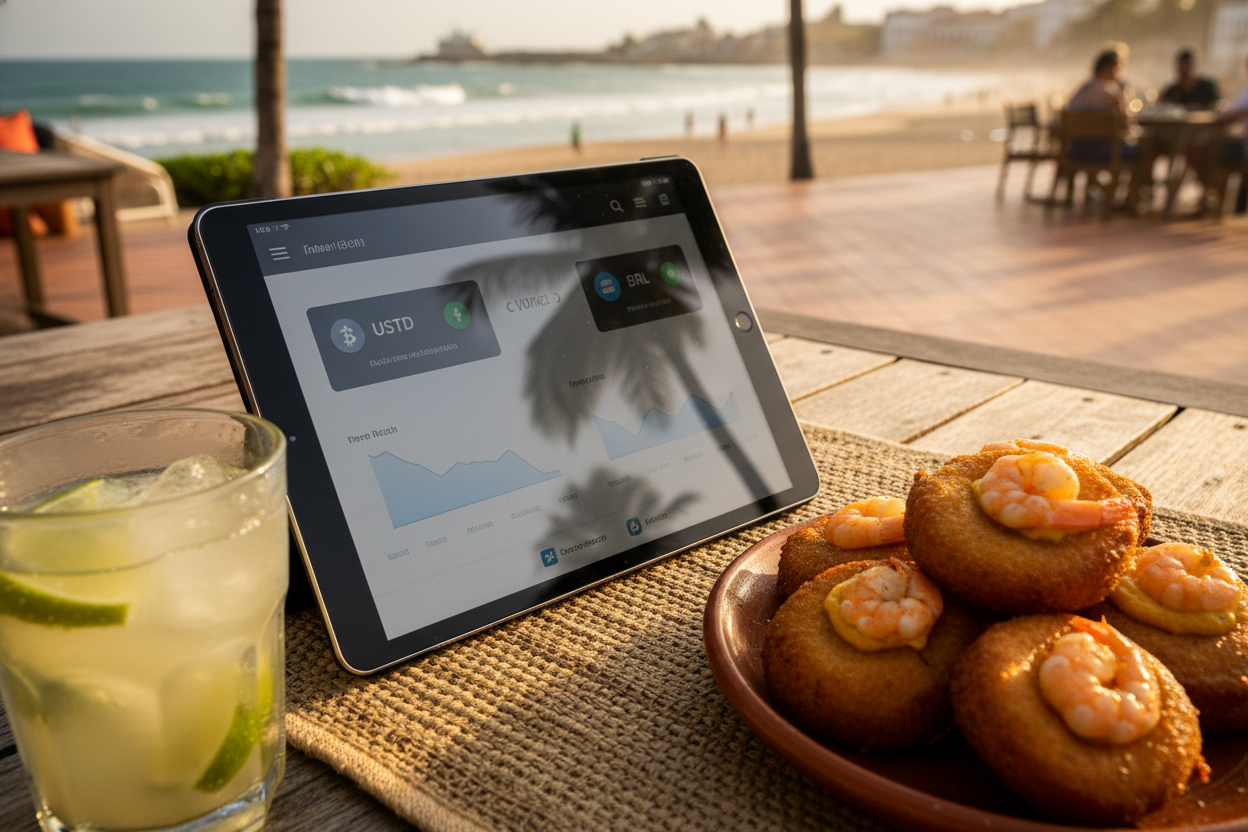

Cheapest USDC Remittance Corridors to Mexico: Beat Finabien Fees with Stablecoins 2026

In 2026, U. S. -to-Mexico remittances face a new hurdle: the 1% excise tax on cash transfers from the One Big Beautiful Bill Act. Traditional services now average 6.2% fees, pushing migrants toward smarter options. Enter stablecoins like USDC and USDT, slashing costs to 0.5%-1.5% via efficient networks. The Finabien Paisan@ Card counters with a flat $2.99 fee and tax exemption, but blockchain corridors via Bitso’s SPEI off-ramps often undercut it further, delivering funds in minutes. For a $500 transfer, USDC on low-fee chains can cost under $2 total, beating Finabien while adding unmatched speed.

Stablecoins vs. Finabien: Data-Driven Cost Breakdown
Finabien’s $2.99 fixed fee shines for small sends, capping at $2,500 daily via consulates or app. Yet stablecoins excel on volume. Polygon USDC transfers average $0.50-$1 fees; Solana dips below $0.20. Bitso converts to MXN via SPEI instantly, no app needed beyond a wallet. Data from Mural Pay shows stablecoin off-ramps cut LATAM fees by 3-5 points versus banks. Bitso Business, per their reports, outpaces correspondent banking in transparency and affordability. Ramp Network highlights USDC-PIX pairs, but Mexico’s SPEI mirrors that efficiency.
For context, Multichain Bridged USDC (Fantom) trades at $0.0180, up 0.000470% in 24 hours (high $0.0182, low $0.0163). Standard USDC holds steady, but bridged variants underscore network choices matter. TransFi ranks TRC-20 USDT cheapest for high-volume, aligning with our top picks.
Top 5 Corridors to Beat Finabien Fees
These Bitso SPEI MXN off-ramps optimize 2026 USDC remittances Mexico. Prioritize low gas, high liquidity. All settle in MXN to bank accounts, 24/7.
- Solana USDC → Bitso SPEI MXN: Ultra-fast, fees ~$0.10-$0.50. Ideal for urgent family support; Bitso liquidity ensures 1-min conversions.
- Polygon USDC → Bitso SPEI MXN: Balances cost ($0.20-$0.80) and Ethereum compatibility. Cobo lists Polygon tops for multi-chain stability.
- Arbitrum USDC → Bitso SPEI MXN: Layer-2 efficiency, $0.15-$0.60 fees. Fireblocks integration boosts security for businesses.
- Optimism USDC → Bitso SPEI MXN: Similar to Arbitrum, $0.20-$0.70. Stripe and Coinbase support accelerates on-ramps.
- Tron USDT → Bitso SPEI MXN: TRC-20 dominance per TransFi, sub-$0.10 fees. Perfect for USDT to MXN low fees.
These corridors average 0.3%-0.8% total cost, undercutting Finabien’s effective 0.6% on $500 sends. Circle and Bitso partnerships ensure 1: 1 peg stability.
Network Performance: Speed and Savings in Focus
Solana leads with sub-10-second confirms; Polygon follows at 2 minutes. Arbitrum and Optimism leverage rollups for Ethereum users avoiding high gas. Tron USDT suits bulk payers, with Cobo noting superior throughput. MEXC data pegs stablecoin adoption booming in $142B LATAM market, driven by stablecoin remittances US to Mexico. Bitso’s edge: direct SPEI, no intermediaries.
USD Coin (USDC) Price Prediction 2027-2032
Stablecoin peg stability forecast amid growing remittance adoption to Mexico and regulatory shifts post-2026
| Year | Minimum Price | Average Price | Maximum Price | YoY % Change (Avg) |
|---|---|---|---|---|
| 2027 | $0.95 | $1.00 | $1.03 | 0.00% |
| 2028 | $0.96 | $1.00 | $1.02 | 0.00% |
| 2029 | $0.97 | $1.00 | $1.02 | 0.00% |
| 2030 | $0.98 | $1.00 | $1.01 | 0.00% |
| 2031 | $0.99 | $1.00 | $1.01 | 0.00% |
| 2032 | $0.99 | $1.00 | $1.01 | 0.00% |
Price Prediction Summary
USDC is forecasted to robustly maintain its $1.00 USD peg through 2032, with progressively narrowing min-max ranges reflecting enhanced liquidity from remittance use cases on Solana and Polygon, superior to Finabien’s $2.99 fees. Bearish mins account for potential depegs from regulations like the One Big Beautiful Bill Act extensions; bullish maxes from demand surges. Overall stability improves with adoption.
Key Factors Affecting USD Coin Price
- Remittance adoption boom: USDC on low-fee chains like Solana/Polygon vs. Finabien, driving volume and peg reinforcement
- Regulatory developments: Stablecoin oversight and remittance taxes (e.g., 1% excise) may cause temporary depegs but favor compliant assets like USDC
- Technological advances: Multi-chain bridges, off-ramps (Bitso, Circle), and PIX integration reduce costs and risks
- Market cycles: Stablecoins resilient to crypto volatility, with USDC benefiting from Circle’s reserves and audits
- Competition & partnerships: Edge over USDT via transparency; collaborations with Bitso, Ramp Network, Cobo enhance MXN conversions
- Macro trends: LATAM $142B remittance market shifts to stablecoins, boosting USDC utility and liquidity
Disclaimer: Cryptocurrency price predictions are speculative and based on current market analysis.
Actual prices may vary significantly due to market volatility, regulatory changes, and other factors.
Always do your own research before making investment decisions.
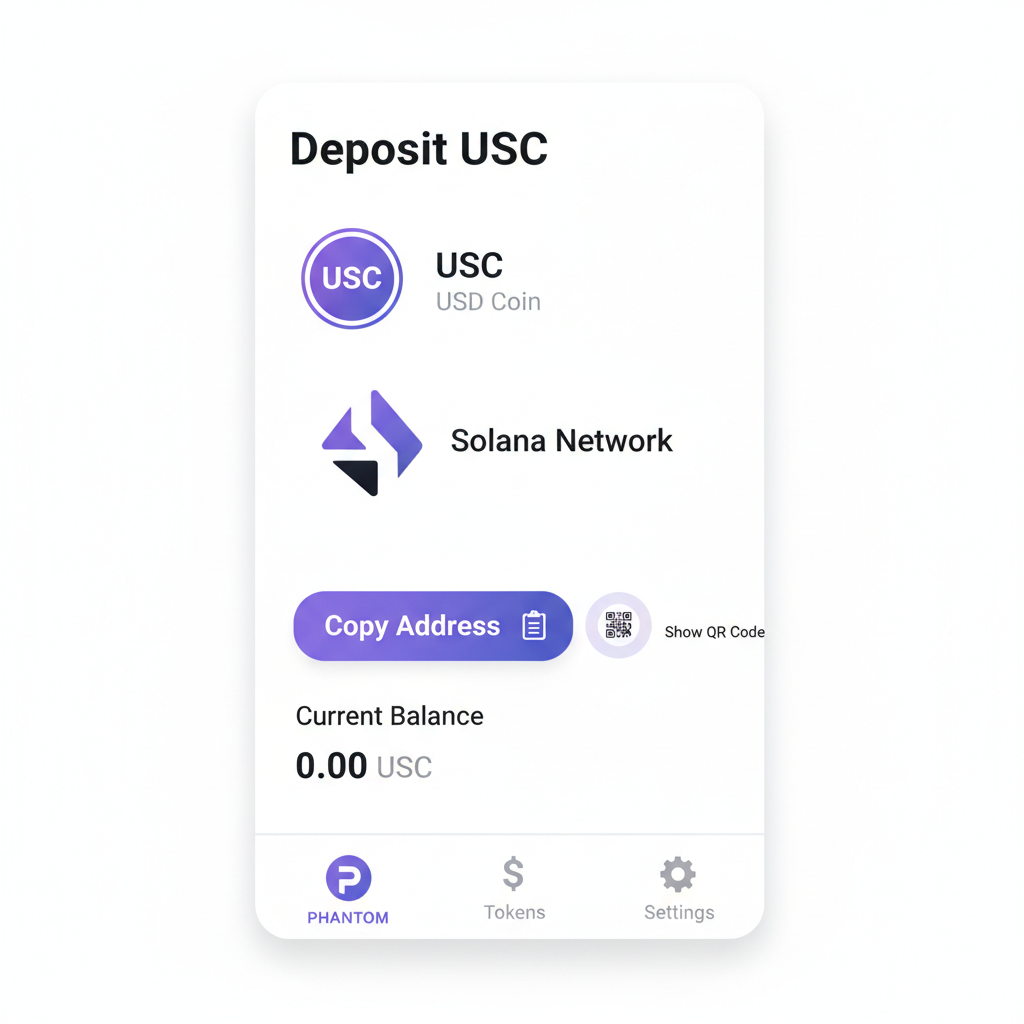
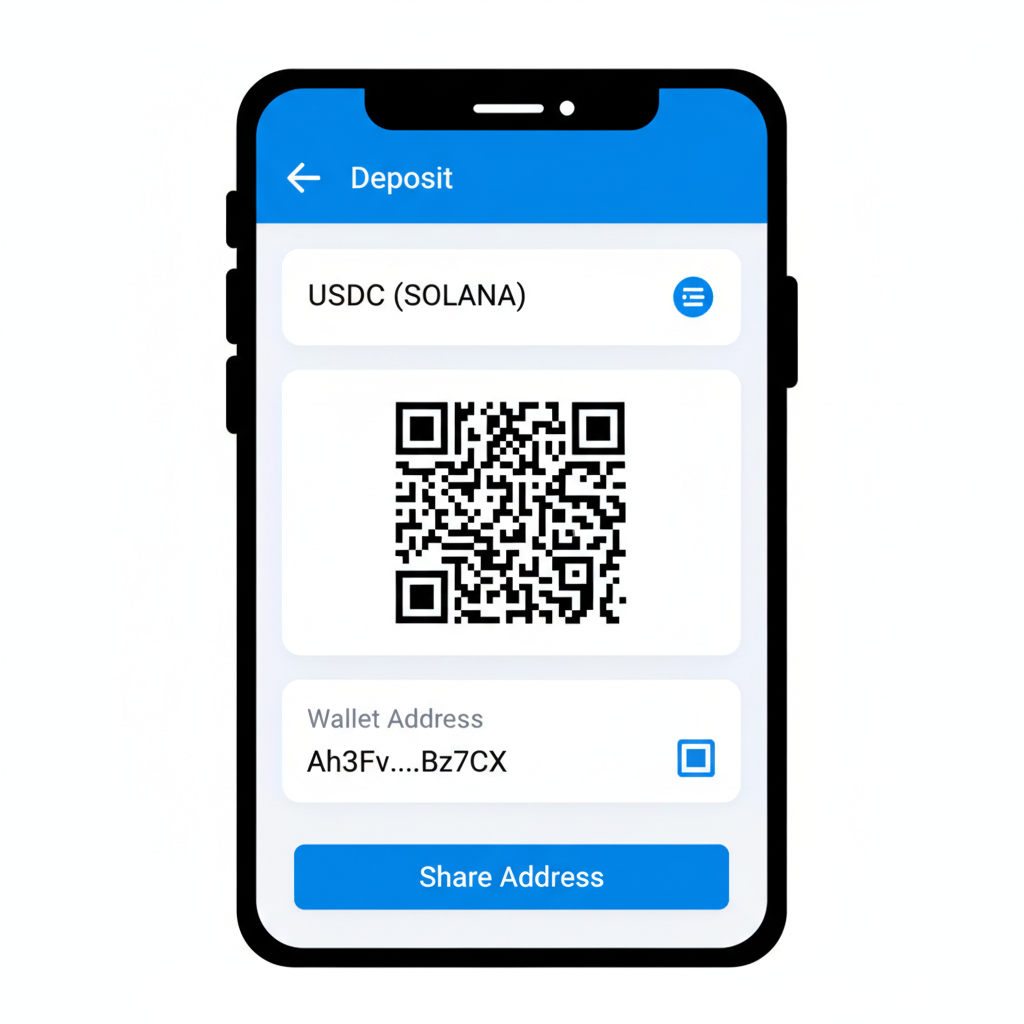
Choosing cheapest USDC cash out Mexico means wallet setup: MetaMask for EVM chains, Phantom for Solana, Trust for Tron. Send USDC/USDT to Bitso deposit address, convert, SPEI out. Recipients need no crypto knowledge.
Real-world edge: a $1,000 monthly sender saves $15 and versus Finabien, compounding to $180 yearly. Compare to 6.2% legacy fees ($62 loss). Finabien vs USDC fees 2026 tilts blockchain for frequency.
Frequency amplifies the advantage; weekly $250 sends rack up $50 and annual savings per corridor, per Cobo’s 2026 stablecoin provider benchmarks. Businesses scaling Mexico remittance corridors USDC via Bitso report 40% cost drops, echoing Bitso Business claims of reshaping cross-border payments.
Fee Comparison: Top Corridors vs. Finabien and Legacy
Let’s quantify. For a $500 transfer, Solana USDC → Bitso SPEI MXN clocks in at $0.40 total (0.08%), Polygon at $0.65 (0.13%). Arbitrum and Optimism hover 0.10%-0.14%, Tron USDT under 0.05%. Finabien’s $2.99 equals 0.60%, still solid but beaten on speed and scale. Traditional wires? $31 (6.2%). Mural Pay’s off-ramp analysis confirms Bitso’s SPEI edges peers like Ripple or Mercado Pago in MXN liquidity.
Fee Comparison for $500 Transfers to Mexico: Stablecoins vs Finabien & Traditional (2026)
| Method | Avg Fee (USD) | Fee (%) | Savings vs Finabien ($2.99) | Savings vs Traditional ($31) |
|---|---|---|---|---|
| Tron USDT → Bitso SPEI MXN | $0.25 | 0.05% | $2.74 | $30.75 |
| Solana USDC → Bitso SPEI MXN | $0.40 | 0.08% | $2.59 | $30.60 |
| Arbitrum USDC → Bitso SPEI MXN | $0.50 | 0.10% | $2.49 | $30.50 |
| Optimism USDC → Bitso SPEI MXN | $0.60 | 0.12% | $2.39 | $30.40 |
| Polygon USDC → Bitso SPEI MXN | $0.65 | 0.13% | $2.34 | $30.35 |
| Finabien Paisan@ Card | $2.99 | 0.60% | $0.00 | $28.01 |
| Traditional Remittance (6.2%) | $31.00 | 6.20% | -$28.01 | $0.00 |
These figures factor gas, Bitso conversion (0.1%-0.5%), and SPEI (free). Volumes above $5,000 monthly tip Tron decisively, per TransFi’s USDT network rankings. Note: Multichain Bridged USDC (Fantom) at $0.0180 reflects niche volatility; stick to native USDC/USDT for peg safety.
Step-by-Step: Deploying Solana USDC to Bitso SPEI
Our top pick, Solana USDC → Bitso SPEI MXN, exemplifies ease. Migrants with basic wallets outpace Finabien’s consulate lines. Phantom or Backpack app handles sends; Bitso app receives. No KYC hurdles for under $10,000 monthly, unlike some banks.
Beat Finabien’s $2.99 Fee: Send USDC on Solana to Mexico via Bitso in 5 Steps
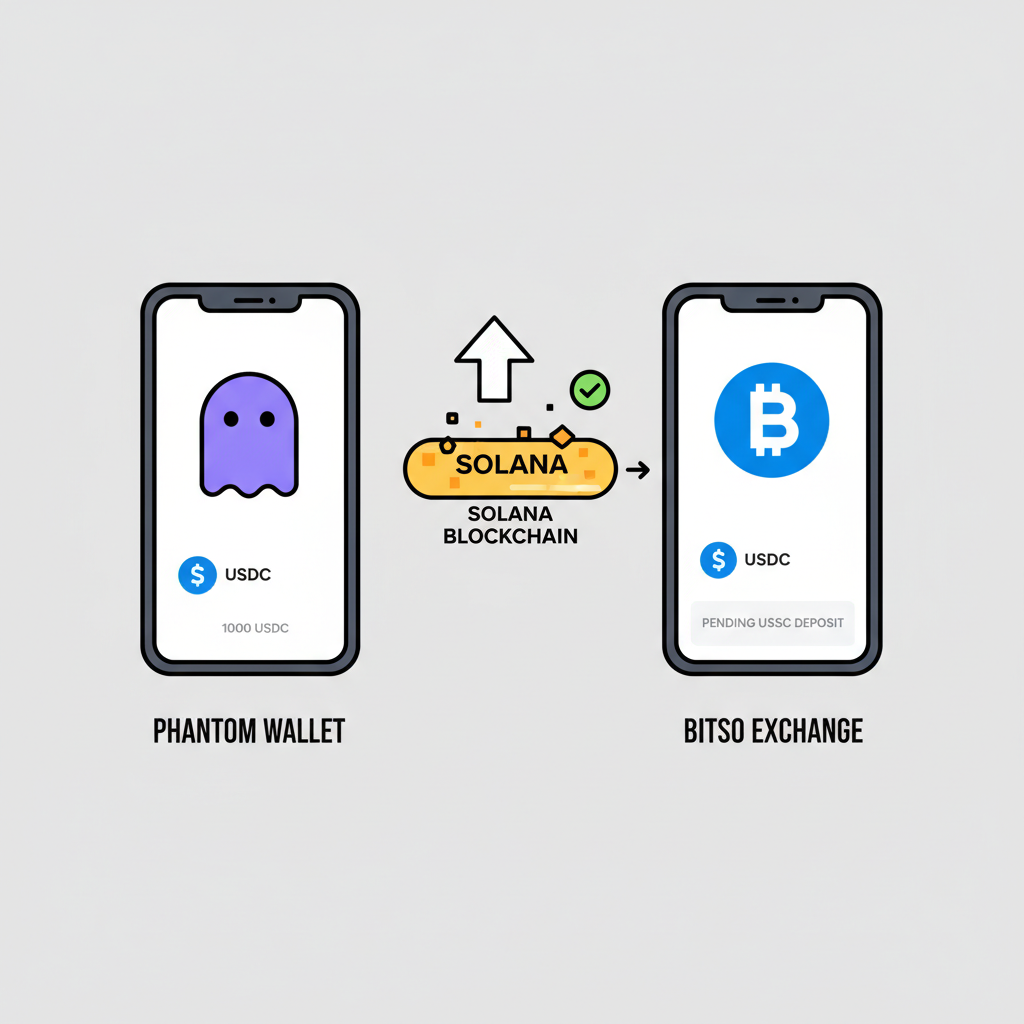
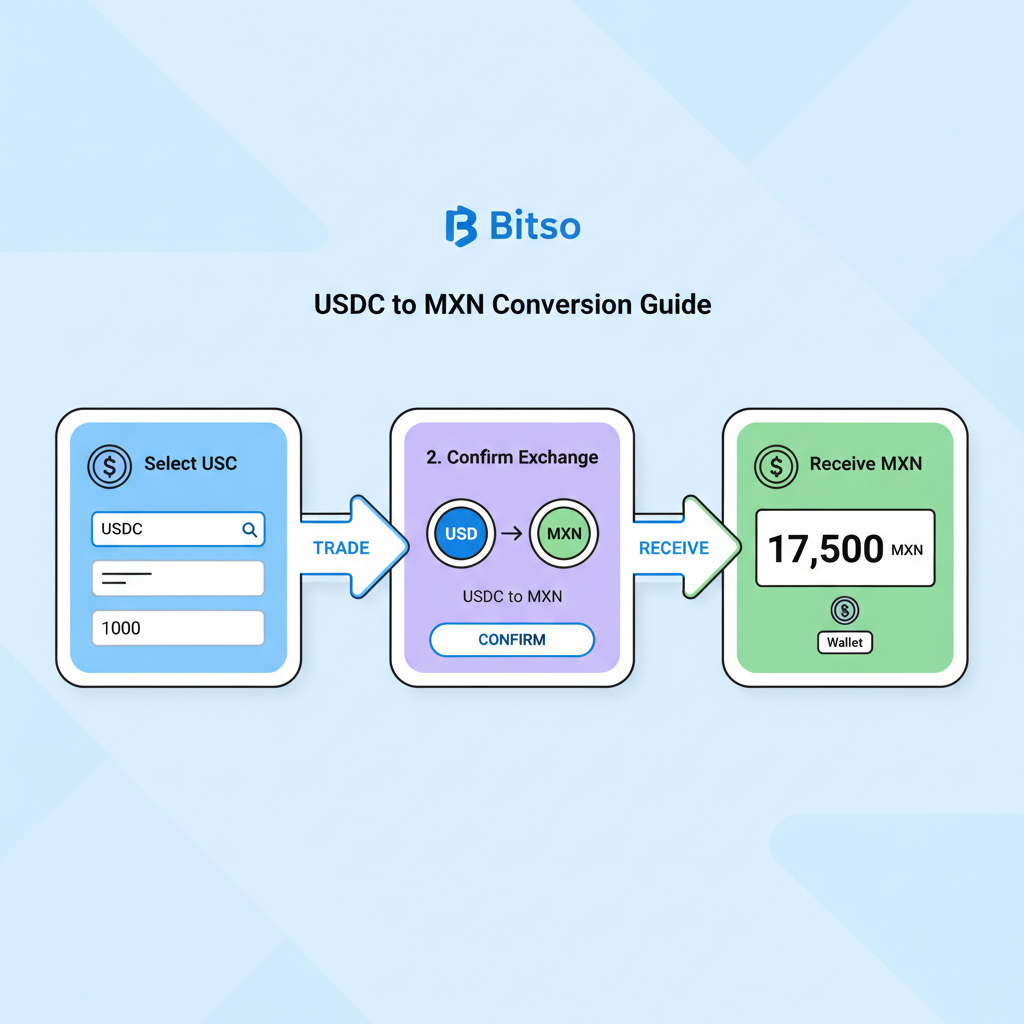
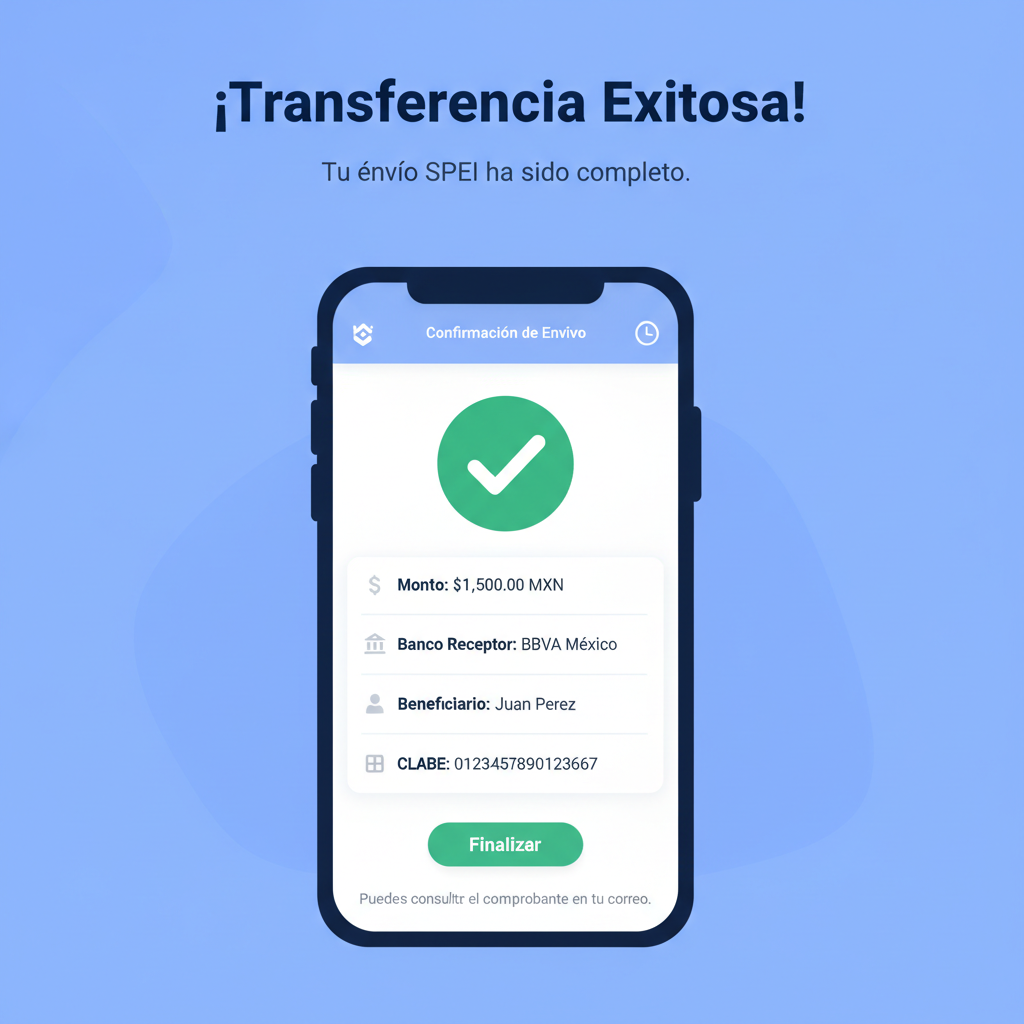
Adapt for Polygon: Swap to MetaMask, Arbitrum/Optimism via similar EVM flows. Tron USDT uses TronLink, sub-$0.10 bliss. Ramp Network’s USDC on-ramps from USD bank links start the chain seamlessly.
Risks? Minimal with Circle’s attestations and Bitso’s regulation. Volatility nips at bridged tokens like Fantom’s $0.0180 (24h high $0.0182, low $0.0163), but core USDC/USDT hold firm. Recipients cash out via SPEI to Banorte or BBVA, no crypto friction.
2026 Outlook: Why Bitso Corridors Dominate
Adoption surges: MEXC projects $142B LATAM stablecoin remittances, Mexico leading with Bitso’s 10M and users. Cobo ranks Circle and Bitso tops for security-speed. Fireblocks custody appeals to enterprises eyeing Arbitrum. Stripe/Coinbase on-ramps lower entry for U. S. senders dodging the 1% tax.
Opinion: Finabien suits one-offs, but these corridors redefine reliability. Solana’s speed trumps PIX analogies; Tron’s throughput crushes volumes. Families in Guadalajara or Monterrey get funds before Finabien notifications ping.
Scale matters. A Chicago construction worker sending $800 biweekly via Tron USDT → Bitso pays $0.08 per leg, totaling $4 yearly. Finabien? $77. Blockchain’s transparency logs every satoshi, per Bitso’s ethos. As U. S. migrants optimize, these five corridors – Solana, Polygon, Arbitrum, Optimism, Tron – cement cheapest USDC cash out Mexico supremacy, blending savings with immediacy traditional rails envy.