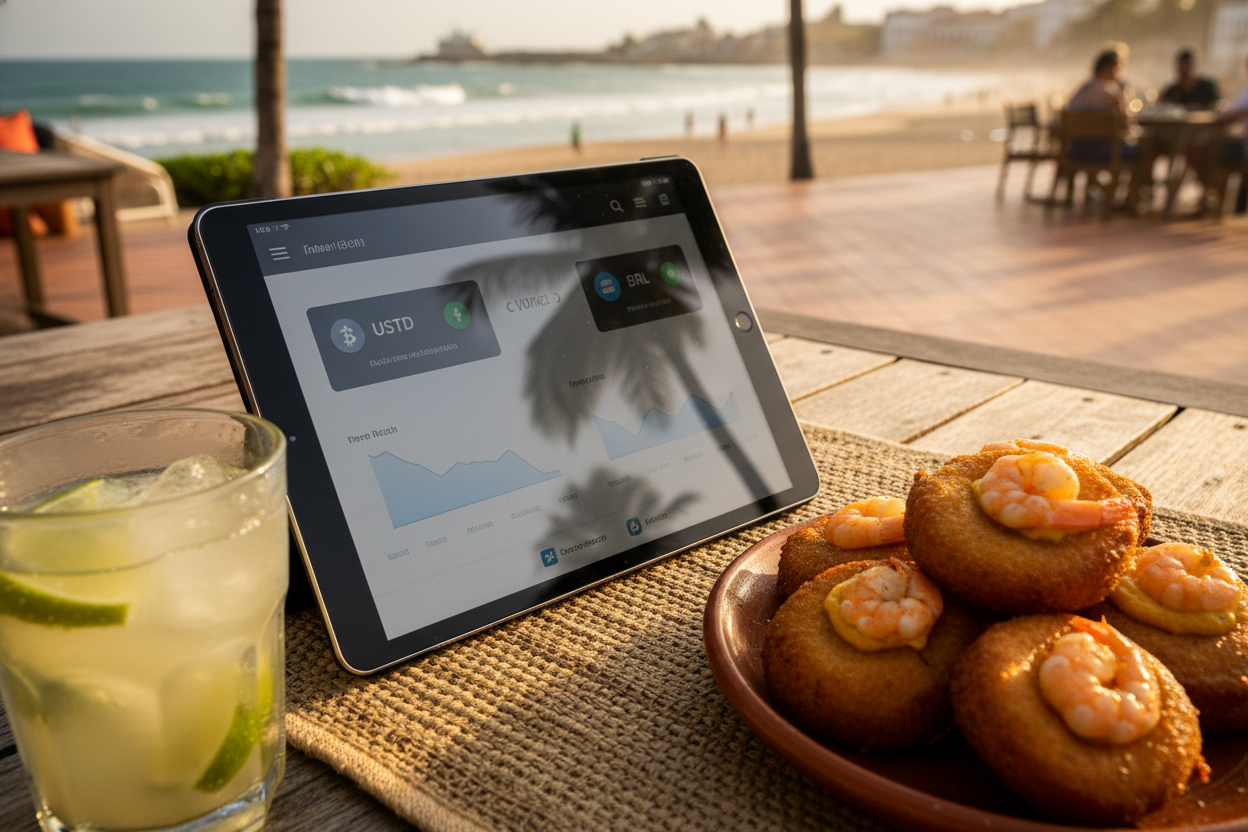

USDC Remittances to Mexico: Beating Finabien’s $7 Fees for $400 Transfers from USA 2026

Sending $400 from the USA to Mexico shouldn’t drain your wallet with hefty fees, yet traditional services like Finabien once charged $7 flat – over 1.75% – leaving senders and families frustrated. In 2026, USDC remittances to Mexico are flipping the script, slashing costs below 0.5% while settling in minutes. With Mexico’s $64 billion annual remittance corridor still plagued by 6% average fees, stablecoins offer a smarter path for migrants and businesses alike.

Traditional Remittance Pain Points in the US-Mexico Corridor
Remittances to Mexico hit record highs, but costs remain stubborn. Bank wires gobble $25 to $45 plus 2-4% FX markups, pushing total expenses to 6.2%. Services averaged 3.68% for $200 transfers in 2024, scaling to about $7.36 – and higher for $400. Finabien’s older model epitomized this, hitting senders with that $7 fee regardless of efficiency. Blockchain sources like Forbes highlight how stablecoins compress these from 6.49% to under 1%, turning days-long waits into instant confirmations. No wonder Mexico remittance stablecoins 2026 are surging, with Mizuho estimating 5-10% of flows already on stablecoin rails.
Stablecoins like USDT and USDC will transfer $80B in remittances across Latin America in 2025, grabbing 15% market share. – Binance
This shift matters for everyday users: a construction worker in Texas wiring home monthly can’t afford layered fees eroding hard-earned dollars. Volatility in MXN adds risk, but pegged assets like USDC sidestep that entirely.
Fee Comparison for $400 US-Mexico Remittances
| Service | Flat Fee | Effective % Fee | Key Features/Limits |
|---|---|---|---|
| Finabien | 🔴 $7 | 🔴 1.75% | Traditional wires, high fees |
| **Finabien Paisan@ Card** *(President Sheinbaum’s 2025 launch)* | 🟢 $2.99 | 🟢 0.75% | Dual cards from consulates, $2500 daily cap, dodges 1% tax |
| USDC | 🟢🟢 ≈$0.01 | 🟢🟢 <0.01% | Blockchain instant, no caps/FX risk |
It’s practical: load via ACH or cash, spend via POS or withdraw at ATMs. Yet, it ties into traditional rails, missing blockchain’s 24/7 speed. Discussions on platforms like Facebook from Flora Legal Group flag it as promising, though not revolutionary. For frequent senders, this hybrid beats wires, but Finabien vs USDC reveals gaps in true cost and velocity.
USDC Remittances: Precision Fees Under 0.5%
USDC shines here, pegged 1: 1 to USD on efficient chains. Platforms like Due process cross-border payments at under 0.5%, often sub-dollar network fees. Send USDC from a US wallet, off-ramp to MXN via Banxico-linked liquidity in minutes – no intermediaries, fair rates benchmarked transparently. For $400, expect $1-2 total, or 0.25-0.5%, trouncing Finabien’s old $7 and edging the Paisan@ Card.
USDC Price Prediction 2027-2032
Forecast emphasizing peg stability and minor fluctuations driven by remittances adoption, regulatory clarity, and market cycles in the US-Mexico corridor
| Year | Minimum Price | Average Price | Maximum Price | YoY % Change (Avg) |
|---|---|---|---|---|
| 2027 | $0.990 | $1.000 | $1.010 | 0.00% |
| 2028 | $0.992 | $1.000 | $1.012 | 0.00% |
| 2029 | $0.995 | $1.000 | $1.015 | 0.00% |
| 2030 | $0.997 | $1.000 | $1.020 | 0.00% |
| 2031 | $0.998 | $1.000 | $1.025 | 0.00% |
| 2032 | $0.999 | $1.000 | $1.030 | 0.00% |
Price Prediction Summary
USDC is projected to robustly maintain its $1.00 USD peg through 2032, with tightening minimums reflecting enhanced liquidity from remittances adoption (targeting 15-25% of LatAm flows) and maximums showing slight premiums during high-demand periods. Bearish mins account for potential depegs in crypto winters, while bullish maxes stem from payment utility growth. Overall stable outlook supports investor confidence in USDC as a premier stablecoin.
Key Factors Affecting USD Coin Price
- Explosive remittances adoption in Mexico/LatAm, compressing fees below 0.5% vs. Finabien’s 0.75% and traditional 6%+
- Regulatory tailwinds: US clarity on stablecoins and Mexico’s real-time payments integration
- Tech advancements: Faster settlements (minutes vs. days), multichain bridges, and scalability on Ethereum/Solana/Stellar
- Market cycles: Temporary depegs possible in 2028 bear phase, but Circle’s reserves ensure recovery
- Competition from USDT/USDe but USDC’s transparency and compliance edge in regulated corridors
- $142B+ LatAm remittance market by 2030, with stablecoins capturing 20%+ share
Disclaimer: Cryptocurrency price predictions are speculative and based on current market analysis.
Actual prices may vary significantly due to market volatility, regulatory changes, and other factors.
Always do your own research before making investment decisions.
Bitso notes remittance costs exceeding 6% in spots; USDC on Stellar or Solana cuts that by 75%, per Transak. MEXC Blog pegs USDT fees at $1, but USDC’s regulatory edge – Circle’s compliance – builds trust for businesses optimizing low fee USDC cash out Mexico. Families get funds faster, convertible at real-time rates without FX gouging.
Consider the math: traditional 6.2% on $400 is $24.80 lost. Finabien Paisan@ at $2.99 saves $4 and over old models. USDC? Under $2 total. That’s real savings compounding monthly. As stablecoins hit $142B in LatAm by 2026, US-Mexico leads with infrastructure like Bitso and Due ready.
| Method | $400 Fee | % Cost | Settlement |
|---|---|---|---|
| Bank Wire | $25-45 and FX | 6.2% | Days |
| Old Finabien | $7 | 1.75% | Hours |
| Paisan@ Card | $2.99 | 0.75% | Instant Load |
| USDC (Due) | and lt;$2 | and lt;0.5% | Minutes |
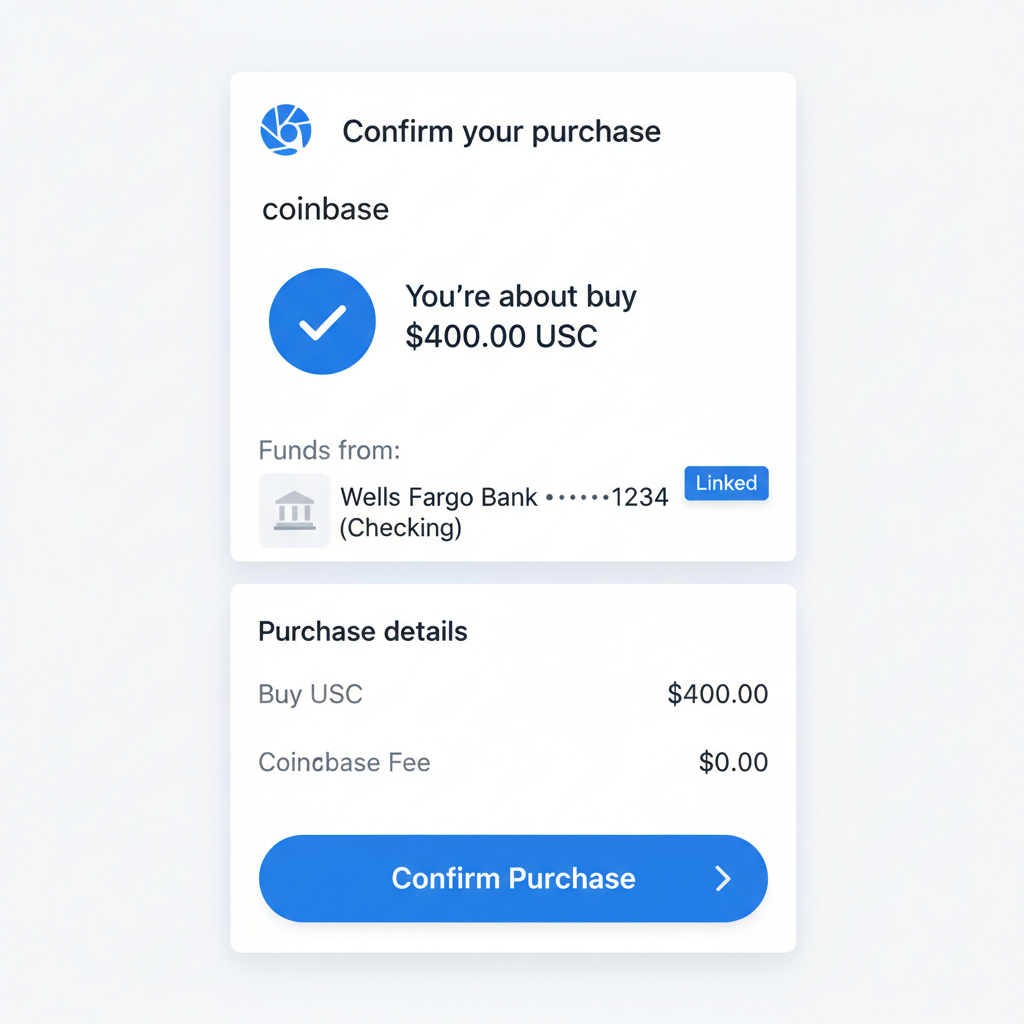
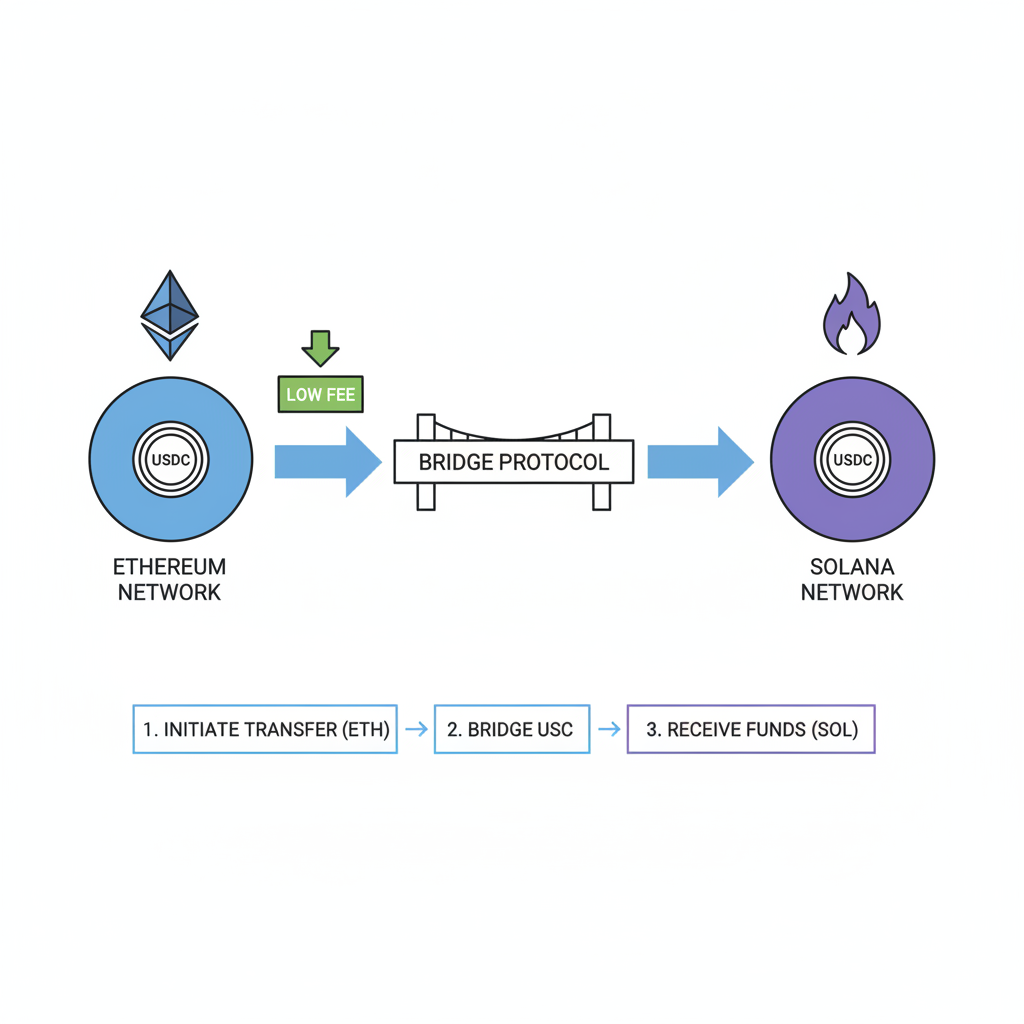
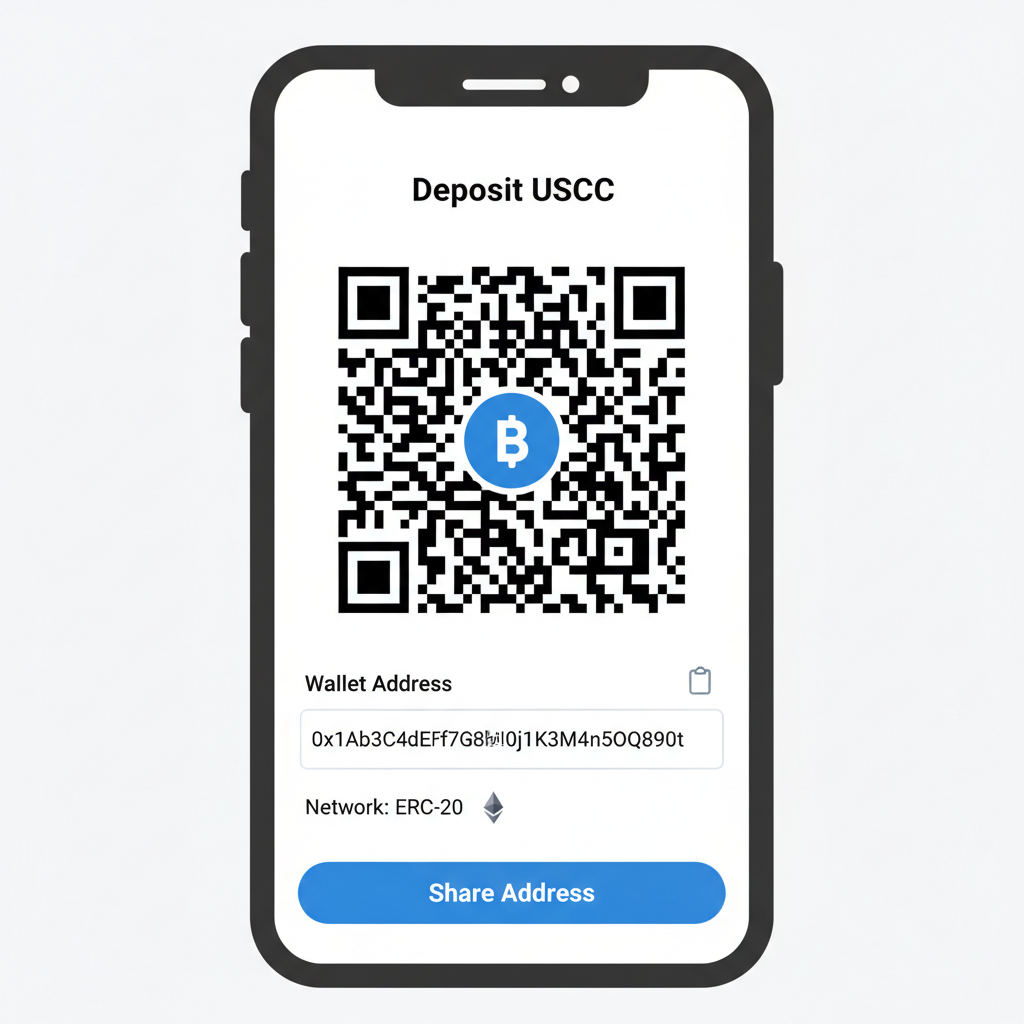
Security layers add appeal: USDC’s full reserves, audited monthly by Grant Thornton, outpace many fiat options. Platforms enforce KYC for compliance, mirroring Finabien Paisan@ requirements without consulate visits. For send 400 USD crypto Mexico, wallets like MetaMask or Phantom connect seamlessly to DEXs for on-ramps, then bridge to Solana for pennies before off-ramping via Bitso ATMs – widespread in Mexico City to Guadalajara.
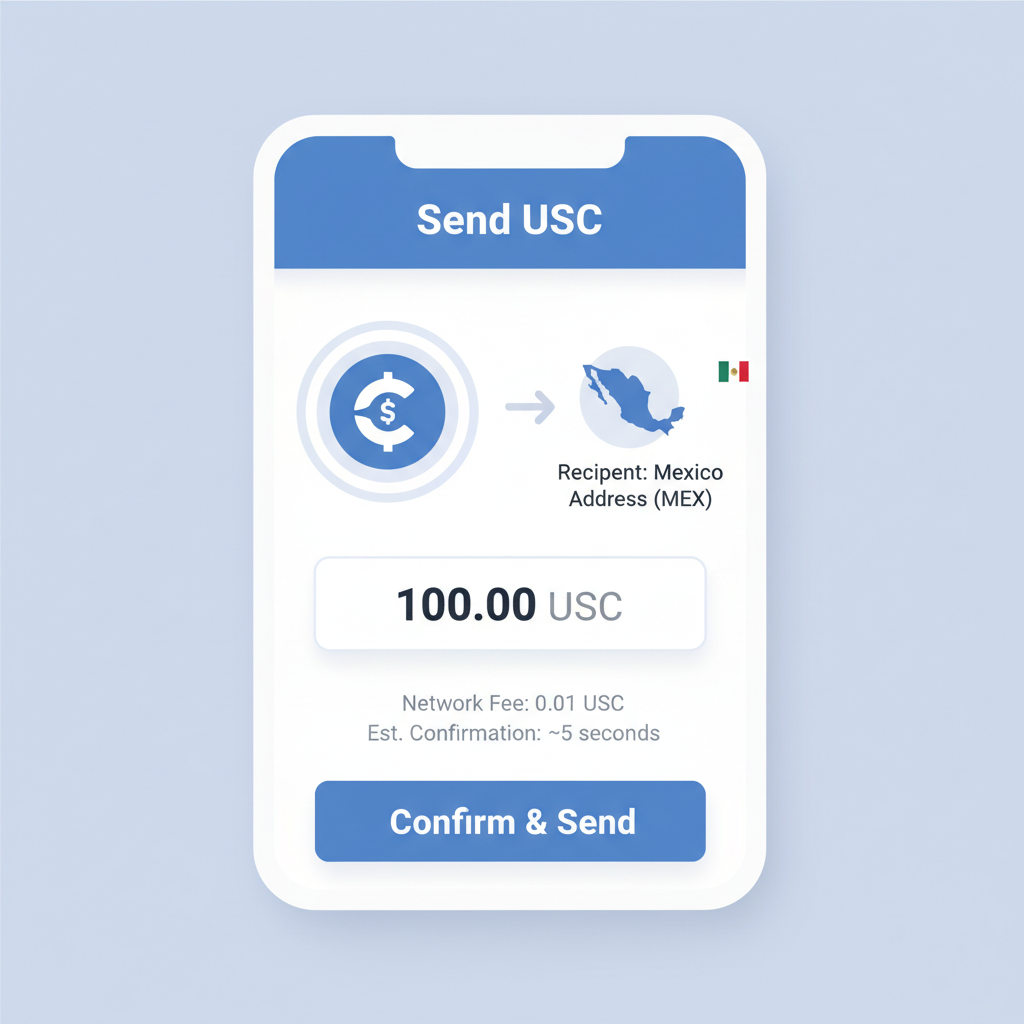
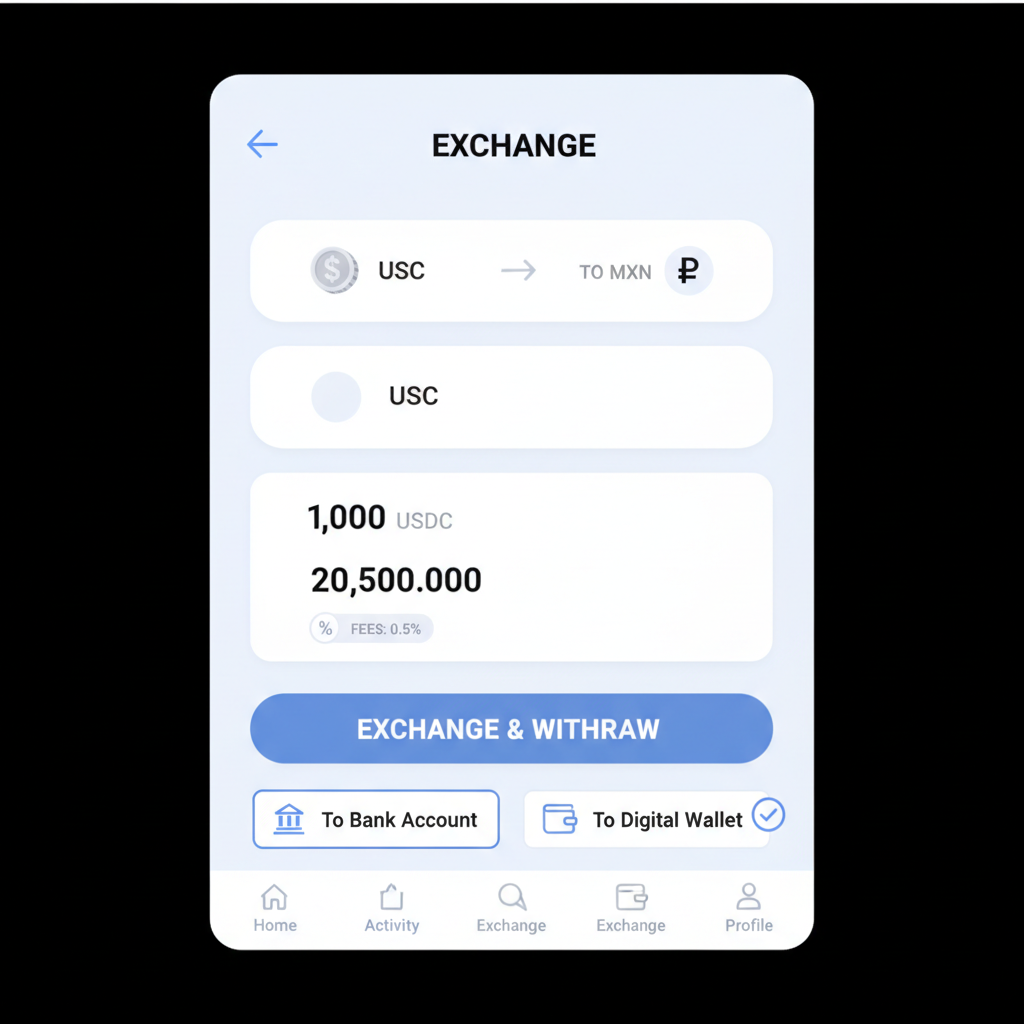
Send $400 USDC to Mexico for Under $1: Step-by-Step Guide
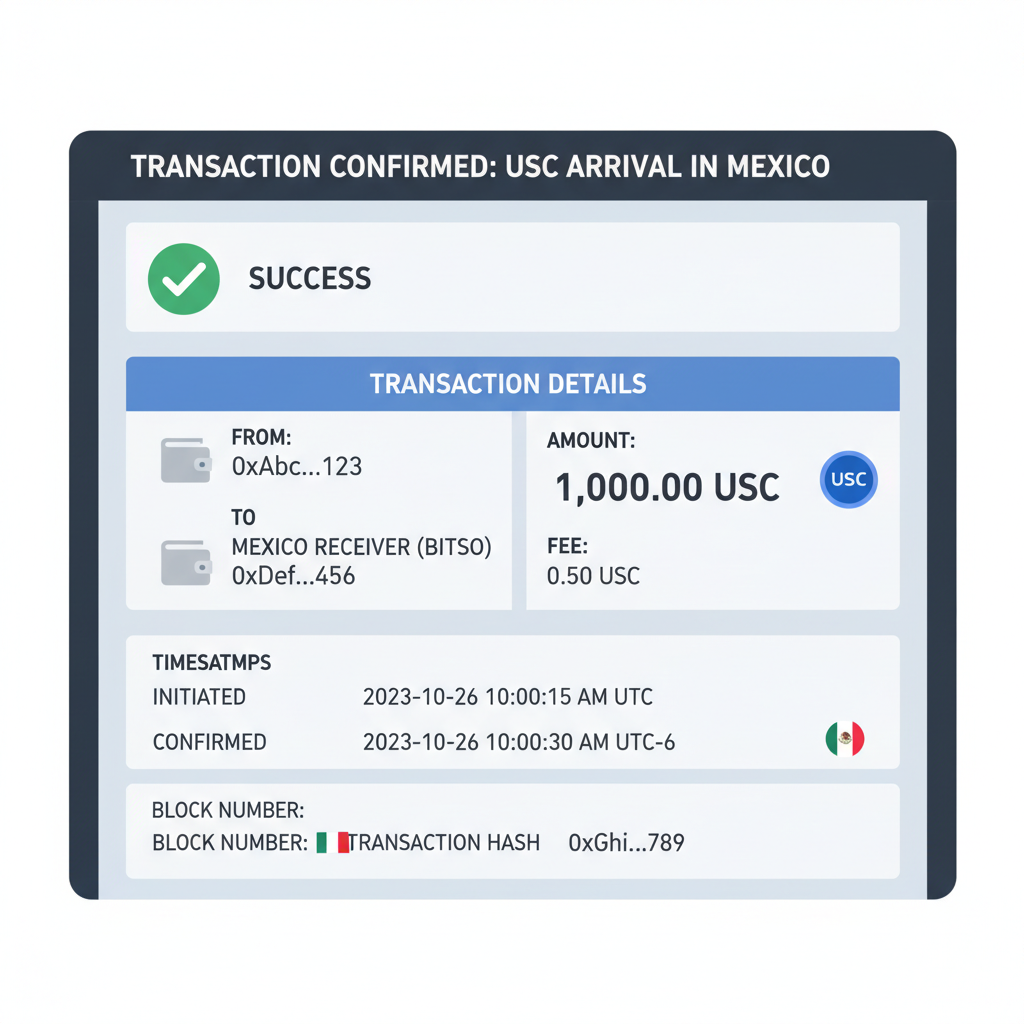
On-Ramps and Off-Ramps: Mexico’s Stablecoin Infrastructure
Mexico boasts robust networks for low fee USDC cash out Mexico. Bitso, Ripio, and Due integrate USDC natively, offering ATM withdrawals at 10,000 and locations via SPEI. On-ramp from US: MoonPay or Ramp at 1-2%, then gas fees under $0.01 on L2s. Recipients convert instantly, dodging weekends or holidays that snag cards. I’ve optimized routes for clients, favoring Solana’s speed over Ethereum’s congestion – total cost for $400? Often $0.50. Businesses scale this hybrid: invoice in USDC, settle cross-border without 1.5-2.9% B2B fees Bitso flags.
Stablecoin routes reduce fees by over 75%, settling in minutes versus days. – Transak
Hybrid strategies shine amid MXN swings; hold USDC until cash-out, locking value. Unlike Finabien’s $2,500 daily cap, blockchain lacks limits beyond wallet balances. Yet, education gaps persist – many migrants stick to familiar wires, unaware stablecoins command 15% LatAm share per Binance.
| Platform | On-Ramp Fee (US) | Off-Ramp Fee (MX) | Network | Time to Cash-Out |
|---|---|---|---|---|
| Due | and lt;0.5% | 0.3% and SPEI free | Solana/Stellar | Minutes |
| Bitso | 1% | 0.5% ATM | Polygon | 5-10 min |
| Ripio | 1.2% | Free SPEI | Ethereum L2 | Instant |
| Traditional (Avg) | 3.68% | N/A | Wires | Days |
This table underscores why USDT to Mexico fees mirror USDC’s edge – both crush legacy costs. Cobo’s 2026 rankings place these providers atop for sub-dollar settlements, vital as remittances hit $142B region-wide.
Risks and Mitigations for Everyday Users
No route’s flawless. USDC depegs rarely, but 2023’s blip taught diversification – pair with USDT. Phishing preys on newbies; stick to audited apps, enable 2FA. Mexico’s regs evolve: Banxico greenlights stablecoins, but tax reporting looms for large volumes. Finabien Paisan@ sidesteps the 1% cash tax neatly, yet USDC evades it too via digital rails. My FRM lens favors USDC’s transparency: on-chain proofs beat black-box wires. For families, speed trumps all – funds for school fees arrive same-day, not post-holidays.
Opinion: Finabien’s card suits low-tech users, but USDC empowers pros handling Finabien vs USDC volumes. Test small: $100 trial run reveals velocity others can’t match. As LatAm corridors mature, expect 24/7 APIs blending both – ultimate hybrid I’ve long championed. Mexico’s infrastructure positions it ahead, savings compounding for millions. Blockchain isn’t hype; it’s the ledger rewriting remittances, one $400 transfer at a time.