
Brazil USDT to PIX Cashout Guide: Step-by-Step for Migrants
For migrants grinding in Brazil’s gig economy or abroad wiring home, cashing out USDT to PIX offers unmatched speed and savings over legacy banks. PIX handles instant BRL transfers 24/7 for free to individuals, while USDT sits rock-solid at $1.00. Platforms like KuCoin Pay, Edge with SmartPay, and Binance Pay now let you scan PIX QR codes and settle USDT payments in seconds on TRON or other chains. This USDT PIX Brazil guide breaks it down practically, spotlighting risks like network congestion or sneaky conversion fees.

PIX Meets USDT: Brazil’s Instant Cashout Edge
Brazil’s PIX system, launched by the central bank, links over 700 million keys across banks for real-time BRL payouts, even holidays. Free for person-to-person, it crushes old-school TED or DOC transfers that drag and charge. Now crypto bridges it seamlessly. Scan a merchant’s PIX code with KuCoin Pay, pay USDT, and watch BRL land instantly. Edge users on TRON hit 15-second settlements via SmartPay partnerships. Binance Pay supports USDT directly to PIX keys, picking BNB, BTC, or ETH too. Migrants love this for daily bills or family PIX remittances USDT, dodging Western Union markups.
But risks lurk: blockchain gas fees spike during volatility, service providers tack 1-2% spreads, and banks might nibble deposit fees. IOF tax at 3.5% hits international flows, per PagBrasil. Always verify recipient keys to sidestep scams; I’ve seen migrants lose chunks to fake QR phishing.
Fee Traps and Market Realities in Brazil USDT Cashouts
Expect layered costs: TRON network pennies, but Ethereum could bite harder. TransFi notes provider conversion plus bank deposits; Paysend caps at $1.99 fixed for USD-BRL, competitive against Xoom’s FX spreads (1 USD = 5.1069 BRL sample). Guardarian flips PIX to USDT cheaply for businesses, but reverse cashouts vary. Binance simplifies: input PIX key, USDT amount converts to BRL equivalent at spot.
Opinion: Traditional remittances bleed 6-7% total; USDT-PIX corridors shave to 1-3% with scale. Yet, KYC hurdles on platforms flag high volumes as money laundering risks. Stick under daily limits initially. USDT’s peg at $1.00 shields depegging scares, unlike volatile alts.
Prep Checklist: Secure Your USDT to PIX Setup
Before diving into Brazil USDT cashout steps, nail basics to avoid frozen funds or hacks. Venezuelan corridors taught me: hybrid TradFi-crypto demands vigilance.
CPF or passport for KYC on KuCoin/Binance; most banks auto-generate PIX keys via app. BiyaPay stresses docs for compliance, rights against unfair holds.
Step 1-3: Launching Your USDT to BRL Guide
Start with trusted apps. Download KuCoin or Binance, fund via exchange deposit. Here’s the kickoff for seamless USDT to BRL guide.
Unlock BRL Instantly: USDT to PIX Steps 1-3 for Brazil Migrants
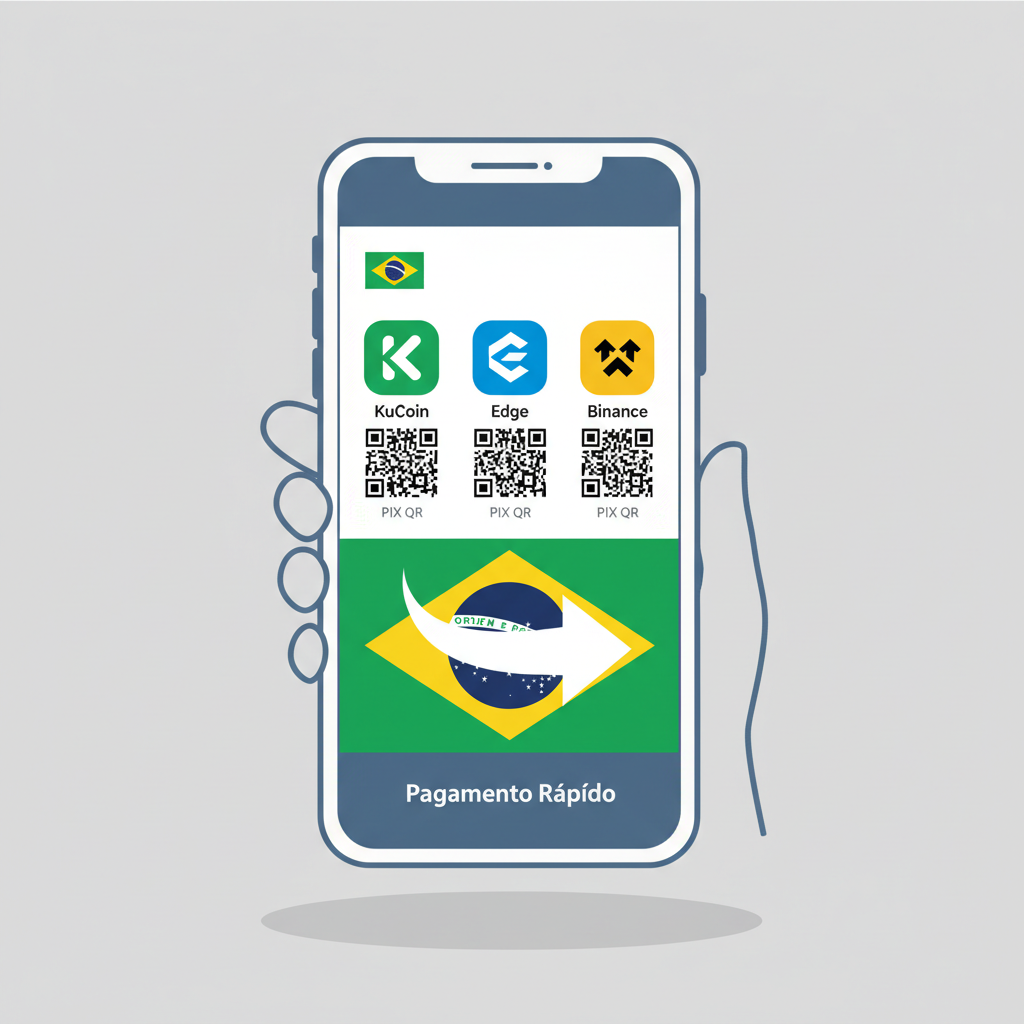
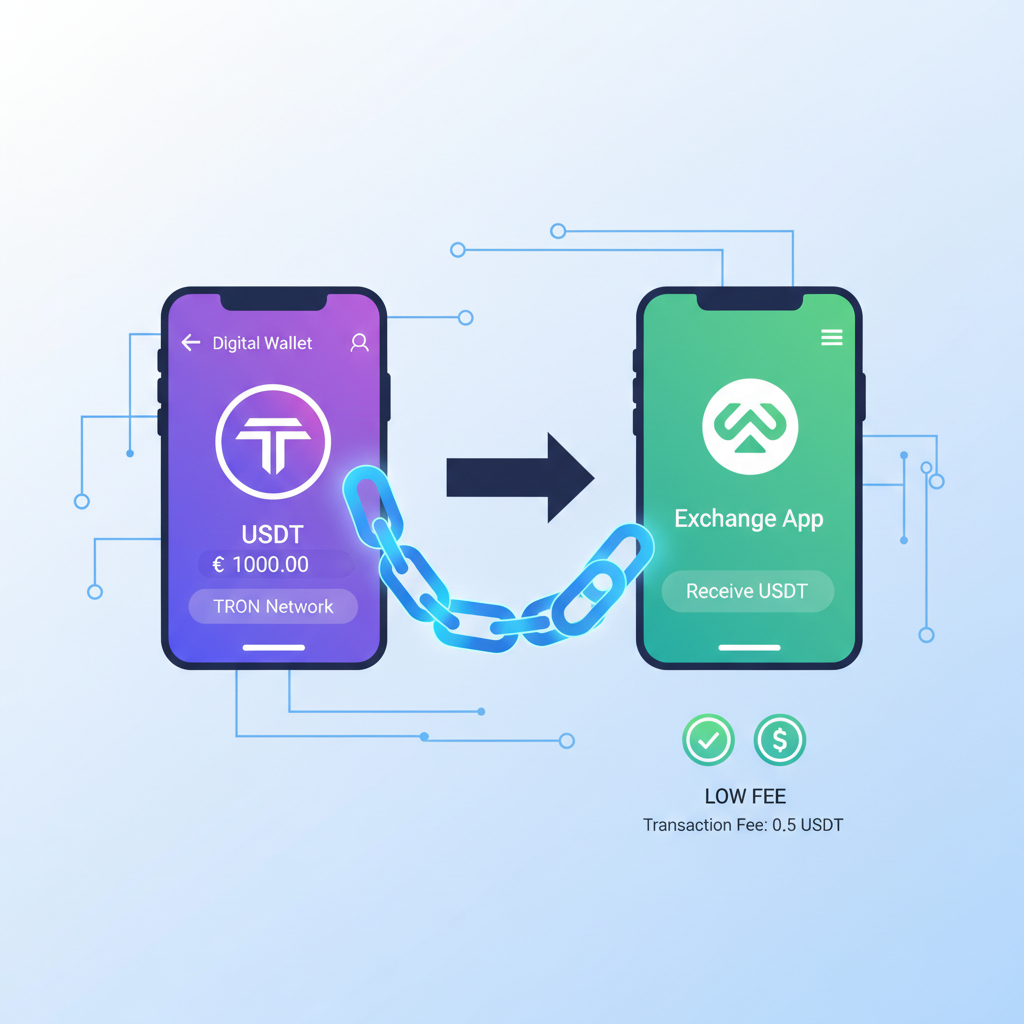
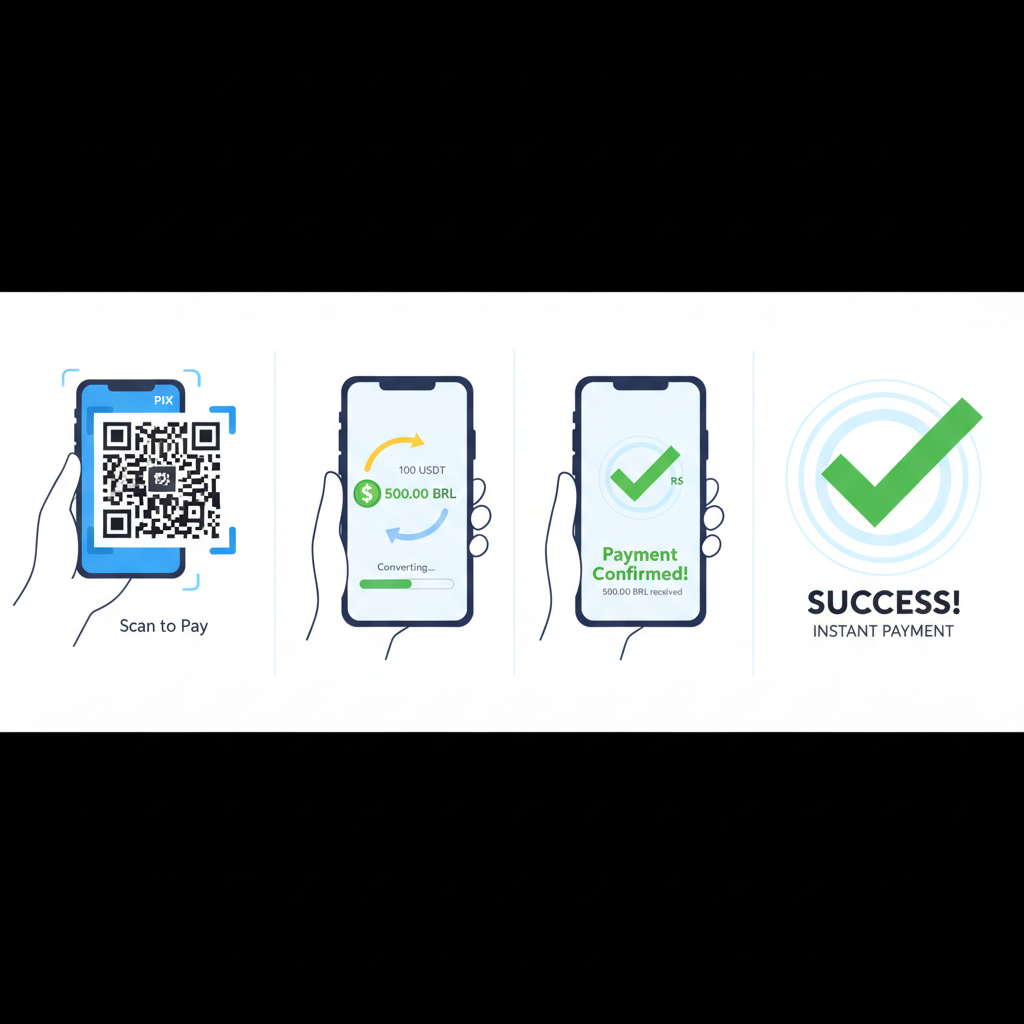
Now push to execution. Platforms auto-convert your USDT at $1.00 peg to BRL spot, minus spreads. KuCoin Pay shines for migrants: scan any PIX QR from street vendors to family accounts, TRON fees under $0.01. Edge settles in 15 seconds, ideal for time-crunched freelancers paying rent. Binance lets you punch in the PIX key directly, selecting USDT amount in BRL equivalent. Hit confirm, and BRL drops instantly, no weekends off.
Steps 4-7: Execute and Verify Brazil USDT Cashout
Finalize USDT to PIX: Secure Steps 4-7 for Instant BRL
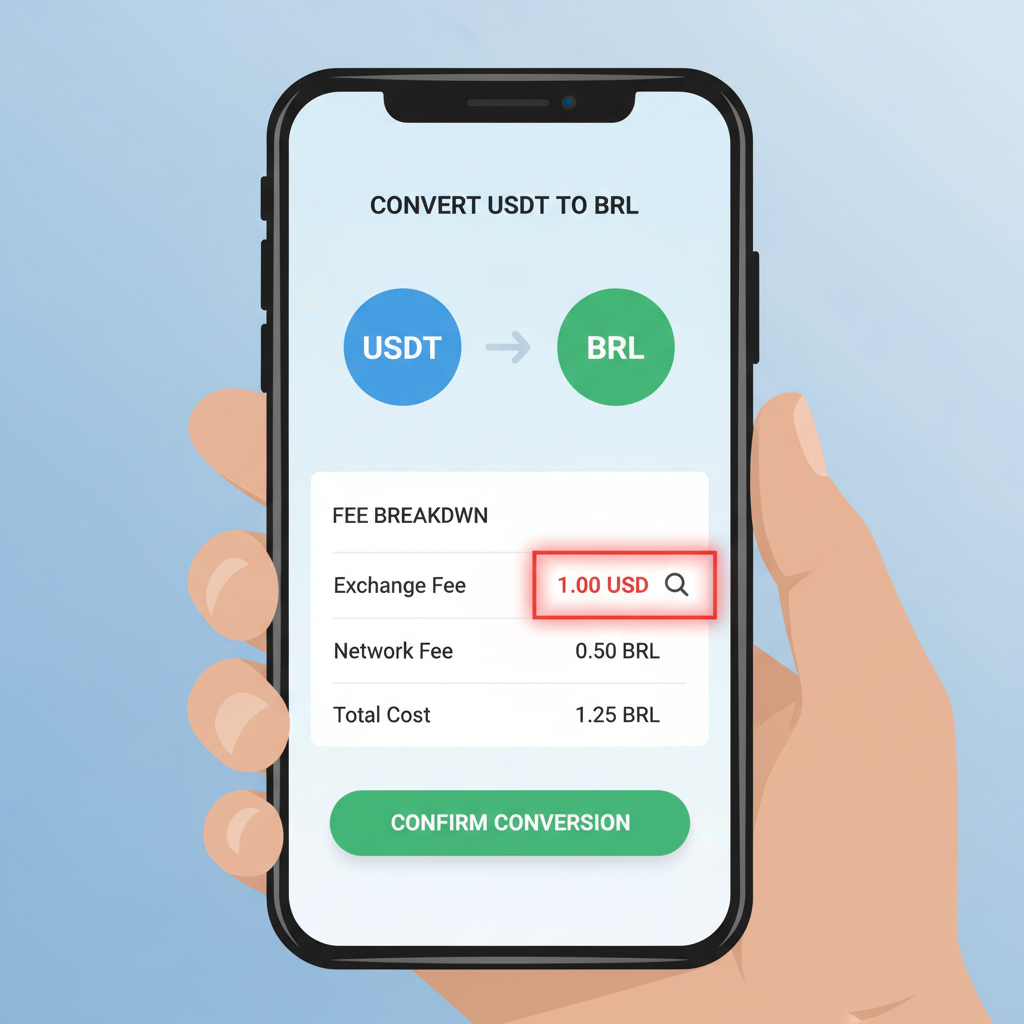
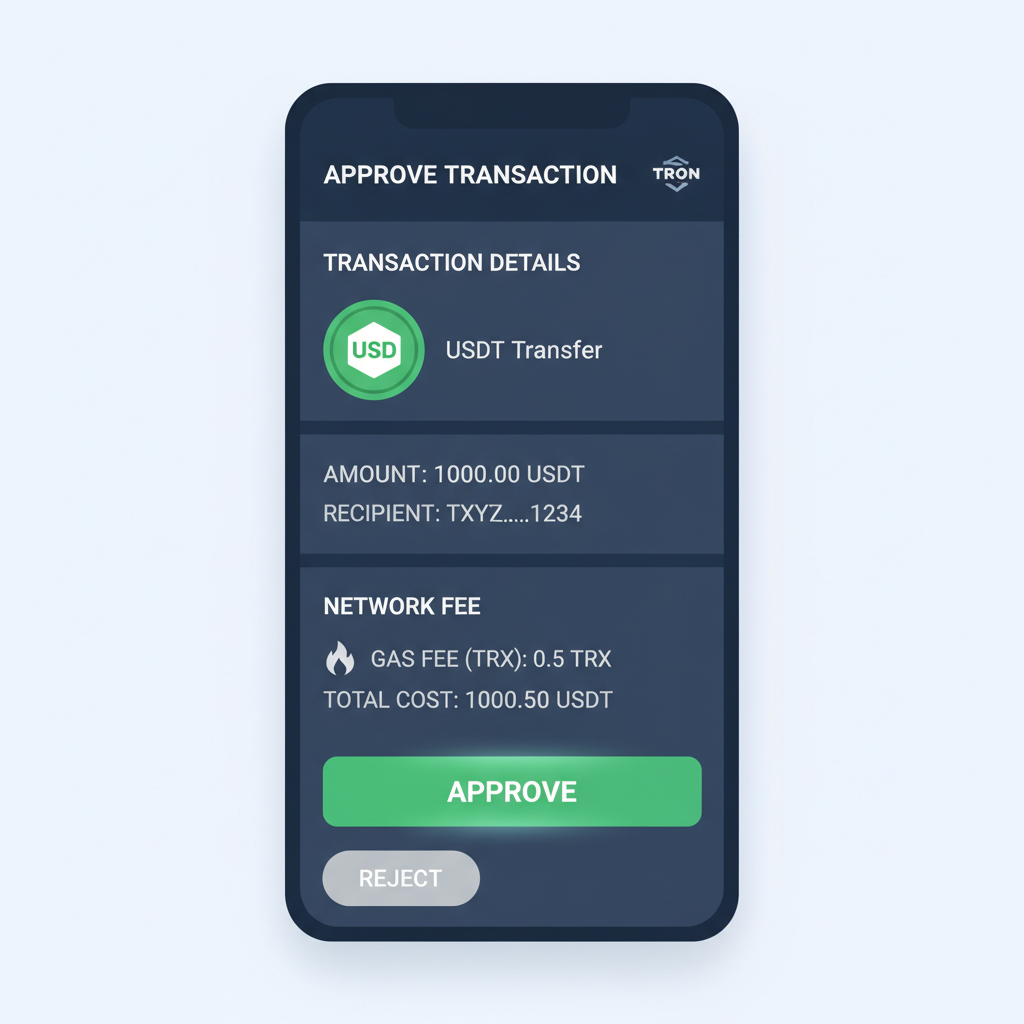
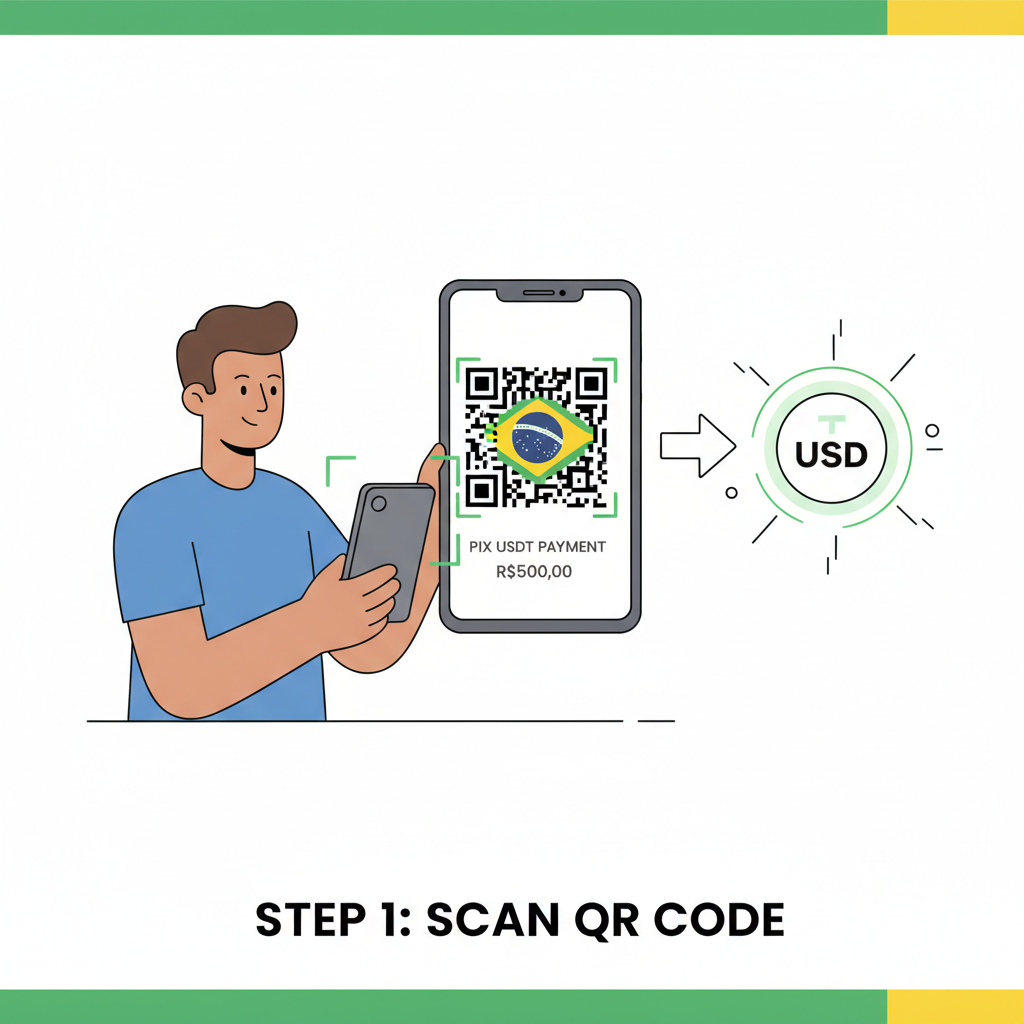
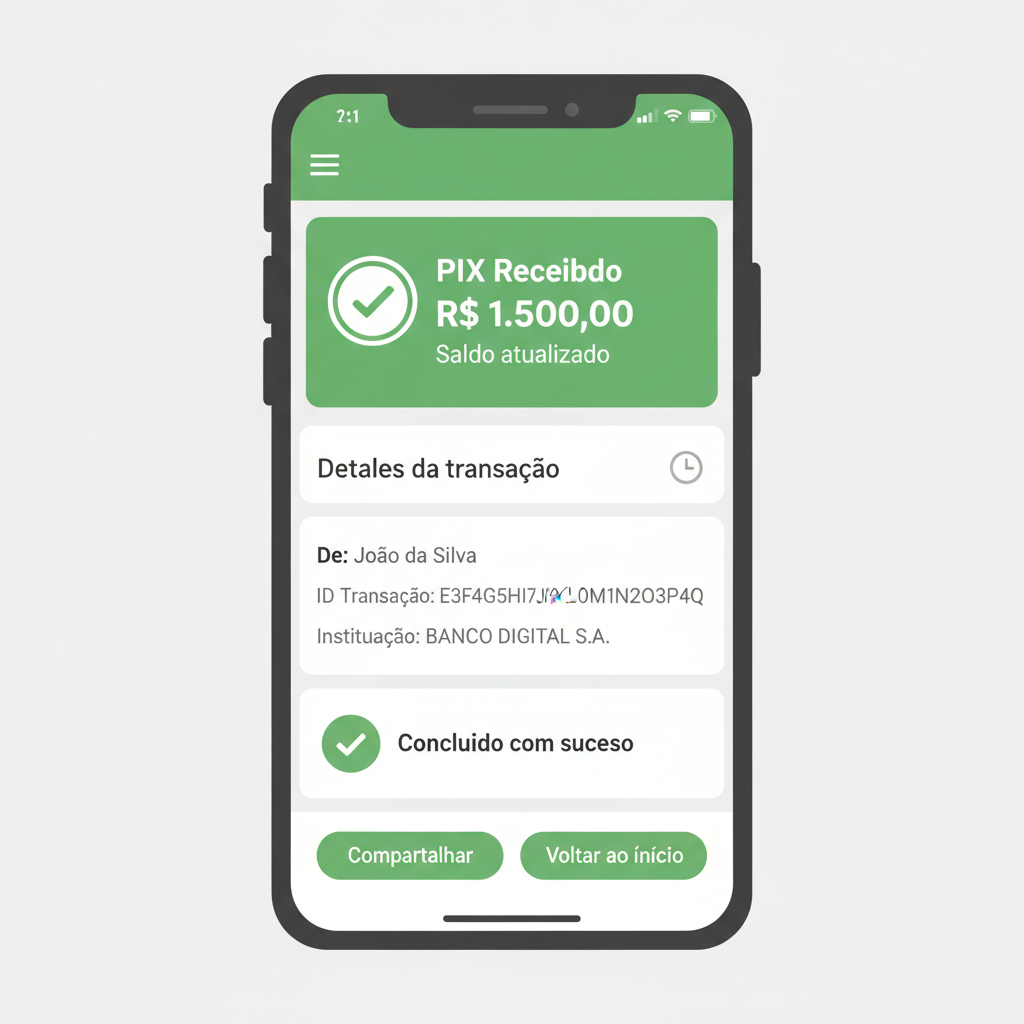
Post-send, screenshot the TX hash and PIX receipt. Banks like Itaú credit within seconds, per TransFi. Test runs with $10 USDT build confidence; scale up once smooth. I’ve guided Venezuelan families here: one glitchy KYC nearly stalled $500 rent, fixed by CPF resubmit.
Risk Radar: Scams, Taxes, and Slippage in PIX Remittances USDT
Crypto’s edge crumbles on poor execution. Phishing QR codes mimic legit ones; double-check sender details. Network congestion? TRON rarely clogs like ETH, but monitor via explorers. IOF 3.5% taxes foreign inflows, stacking with 1-2% provider cuts. Wise notes PIX free domestically, but crypto bridges add layers. High-volume migrants hit KYC walls; declare over R$10k monthly to dodge audits.
Slippage hits during BRL volatility: USDT holds $1.00 firm ( and 0.00% 24h), but spot jumps. Platforms like Paysend lock $1.99 fees; Xoom hides in FX. Opinion: USDT-PIX beats both at sub-2% total for Brazil migrant remittances, but hybrid vigilance pays. Use non-custodial wallets, evade exchange hacks.
Fee Breakdown for USDT to PIX Cashout Platforms
| Platform | Network Fee | Spread | Total Est. |
|---|---|---|---|
| KuCoin Pay | < $0.01 (TRON) | 1% | 1.5% |
| Edge/SmartPay | $0.01 | 1.2% | 1.8% |
| Binance Pay | Var. | 0.8% | 1.3% |
| Traditional (Xoom) | $0 | 4% FX | 5% |
Table assumes $100 USDT at $1.00. Scale favors crypto; $1k drops relative fees.
Platform Pick: KuCoin, Edge, Binance for Daily Cashouts
KuCoin Pay leads for sheer speed: any PIX code, no app swaps. Edge suits TRON loyalists, 15s magic via SmartPay. Binance offers most cryptos, but KYC stricter. Guardarian reverses for businesses buying USDT with PIX. For families, prioritize mobile-first, 2FA-locked apps. Wallbit apps complement for travelers blending PIX with crypto wallets.
Real talk: no perfect play. Congestion or reg shifts (central bank eyes crypto-PIX) demand backups. I’ve seen Paraguayan corridors pivot to hybrids post-outages; Brazil follows suit.
Migrants report 95% success first try post-checklist. Due’s PIX guide confirms 24/7 ops, crushing borders. BiyaPay rights: dispute unfair fees, demand transparency.
Layer habits: diversify platforms, track via spreadsheets. USDT’s $1.00 anchor lets you forecast BRL exact. Families remit cleaner, freelancers bill seamless. This USDT PIX Brazil guide arms you; execute smart, remit strong.