
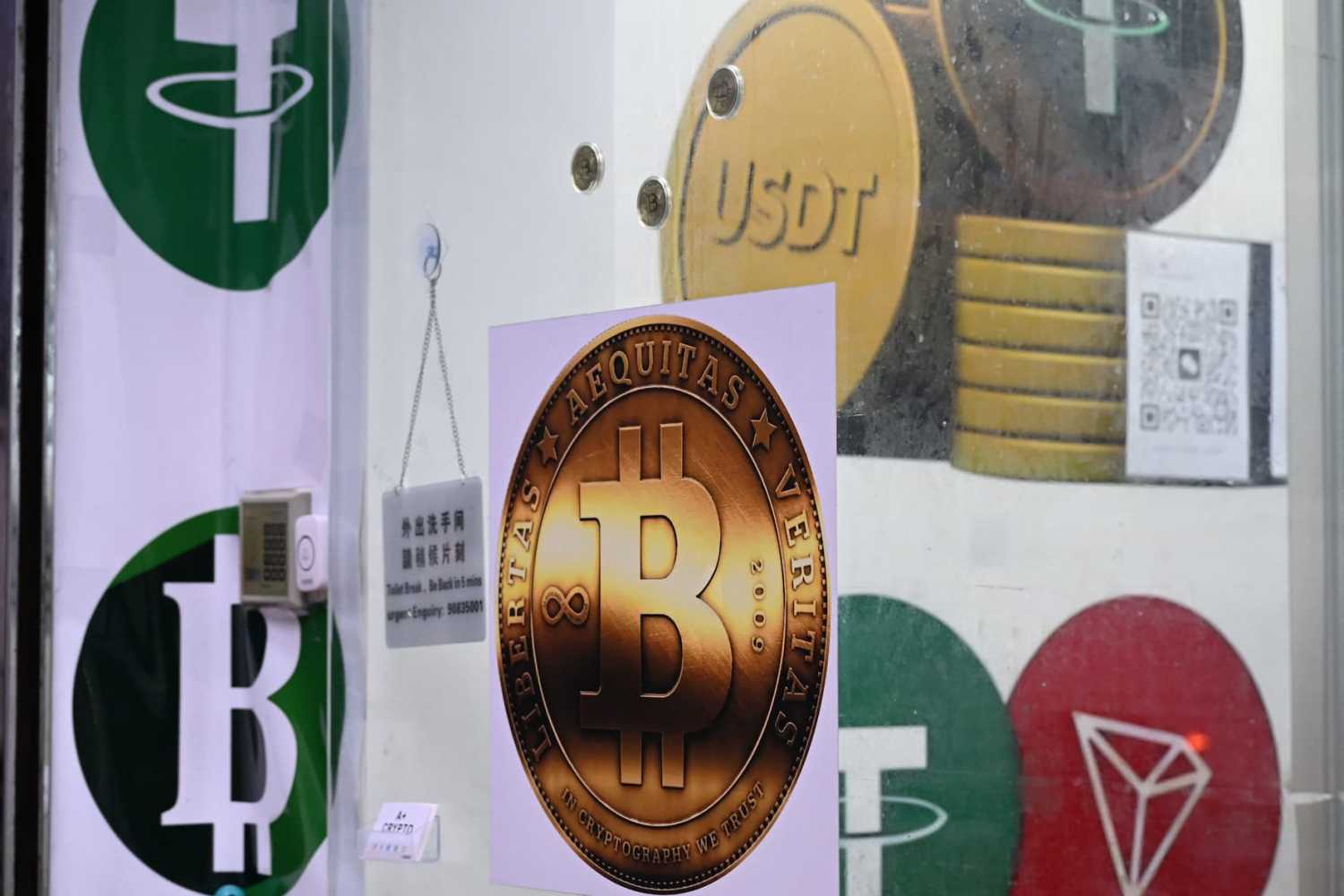
USDC vs. USDT for LATAM remittances in 2026
Choosing between USDC and USDT for cross-border transfers to Latin America comes down to two variables: regulatory risk and liquidity depth. In 2026, the landscape has shifted. The new 1% federal tax on remittance transfers, enacted under the "One Big Beautiful Bill," applies to both stablecoins, narrowing the cost advantage of either option slightly. However, the structural differences between the two assets remain the primary drivers of your choice.
USDC (USD Coin) is issued by Circle, a US-regulated financial institution. It offers transparency through monthly attestations of its reserve assets. This regulatory clarity makes it the safer choice for large transfers or users operating within strict compliance frameworks. USDT (Tether), while more widely accepted across Latin American exchanges and peer-to-peer markets, has faced historical scrutiny regarding reserve composition. For most remitters, this tradeoff boils down to preferring USDC’s regulatory safety or USDT’s ubiquity in local on-ramps.
The following table compares the key operational tradeoffs for LATAM remittances in 2026.
| Feature | USDC | USDT | Impact on Remittance |
|---|---|---|---|
| Regulatory Status | US-regulated, monthly attestations | Offshore, historical reserve scrutiny | USDC reduces compliance risk for large transfers. |
| Liquidity in LATAM | High on major exchanges (Binance, Kraken) | Dominant in P2P markets, local wallets | USDT often has better local on-ramp liquidity. |
| Network Fees | Low on Polygon, Tron, Solana | Low on Tron, Solana, Ethereum | Choose the network, not the coin, to minimize fees. |
| 2026 Tax Treatment | Subject to 1% federal transfer tax | Subject to 1% federal transfer tax | Neutral; both assets face the same new cost. |
| Volatility Risk | 1:1 USD peg, highly stable | 1:1 USD peg, highly stable | Minimal difference; both are stablestore of value. |
For small, frequent transfers, USDT often wins because it is deeply embedded in local peer-to-peer networks in countries like Argentina, Colombia, and Mexico. Recipients can often cash out USDT directly to local bank accounts or cash points with fewer friction points. For larger, business-related remittances or users concerned about long-term regulatory shifts, USDC provides a clearer audit trail and lower counterparty risk.
The 1% tax introduced in 2026 affects both equally, so the decision should not be driven by tax avoidance. Instead, focus on where your recipient is most comfortable receiving funds. If they use a local exchange that favors USDT, stick with USDT. If they prioritize regulatory safety and transparency, USDC is the better fit. Always verify the network used for transfer (e.g., Tron or Solana) to ensure the lowest possible fees, as this often matters more than the stablecoin itself.
Where each option wins
Use this section to make the Best Crypto Stablecoins for LATAM Remittances decision easier to compare in real life, not just on paper. Start with the reader's actual constraint, then separate must-have requirements from details that are merely nice to have. A practical choice should survive normal use, maintenance, timing, and budget. If a recommendation only works in an ideal situation, call that out plainly and give the reader a fallback path.
The simplest way to use this section is to write down the must-have criteria first, then compare each option against those criteria before weighing nice-to-have features.
Details worth checking
Use this section to make the Best Crypto Stablecoins for LATAM Remittances decision easier to compare in real life, not just on paper. Start with the reader's actual constraint, then separate must-have requirements from details that are merely nice to have. A practical choice should survive normal use, maintenance, timing, and budget. If a recommendation only works in an ideal situation, call that out plainly and give the reader a fallback path.
-
Verify the basicsConfirm the core specs, condition, and fit before comparing extras.
-
Price the downsideLook for the repair, maintenance, or replacement cost that would change the decision.
-
Compare alternativesCheck at least two comparable options before treating one listing as the benchmark.
Latam remittance 2026: what to check next
Before moving money, it helps to understand the regulatory and economic landscape shaping cross-border flows this year. The rules around large transfers remain strict, while the volume of remittances continues to shift due to migration patterns and new tax proposals.
Is Latin America a good investment in 2026?
For remittance senders, the region remains a high-demand corridor despite economic headwinds. While general investment in Latin American equities faces volatility, the remittance sector is growing more slowly but steadily. Digital innovation is making these transfers faster and cheaper, offering a more reliable utility than speculative assets for families relying on support.
Can you transfer $50,000 US to a Mexican bank legally?
Yes, but it triggers reporting requirements. Transfers of this size must be declared to the Financial Intelligence Unit (UIF) in Mexico and reported by U.S. banks under anti-money laundering laws. Using stablecoins like USDC or USDT can streamline the process, but the recipient still needs to comply with local deposit limits and tax reporting to avoid account freezes.
How much remittances are sent to Mexico from the USA?
Mexico remains the top recipient of remittances in Latin America, with flows from the U.S. expected to grow slightly in 2026. However, the rate of growth is moderating as migration numbers stabilize. Senders should note that new federal tax proposals, such as the 1% transfer tax introduced in early 2026, may impact the net amount received if not accounted for in the transfer fee structure.
What are the top 3 countries with the highest remittances?
The top three recipients in Latin America are Mexico, El Salvador, and Honduras. These countries rely heavily on funds from abroad, making low-fee stablecoin transfers particularly valuable. For senders targeting these nations, choosing a network with low gas fees and fast settlement times, like USDC on scalable chains, maximizes the value delivered to families.
Helpful gear
Use these product recommendations as a starting point, then choose the size, material, and price point that fit how you actually use the gear.


As an Amazon Associate, we may earn from qualifying purchases.
No comments yet. Be the first to share your thoughts!