
Get cheap remittance to LATAM right
Before you choose a provider, clear three small hurdles that usually hide the real cost. Fixing these first stops surprise fees from eating your transfer.
1. Verify recipient details. Double-check the full legal name and bank account number or mobile wallet ID. A single digit error bounces the money back, triggering double fees. If sending to Mexico, confirm the CLABE number; for Colombia, use the correct bank code. Accuracy here is your cheapest insurance.
2. Choose the right delivery speed. Most services offer "instant" or "standard" options. Instant transfers cost more because they use priority rails. If the recipient isn’t waiting by the hour, pick standard delivery. It often arrives within 24 hours but costs significantly less, especially for larger amounts.
3. Compare the total cost, not just the fee. A $0 transfer fee means nothing if the exchange rate is poor. Always look at the "total amount received" by the beneficiary. Use a comparison tool to see the spread between the mid-market rate and what the provider offers. The cheapest option on paper isn’t always the cheapest in your pocket.
Work through the steps
Sending money to Latin America without hidden costs requires a disciplined approach to comparison. The difference between a good rate and a bad one can erase your entire margin. Follow this sequence to lock in the lowest total cost.

Most services advertise a zero-fee transfer. That is a trap. The real cost lives in the exchange rate markup. A provider might charge $0 upfront but offer a rate 4% worse than the mid-market rate. Always calculate the final amount the recipient receives. If a competitor offers $10 more to the family in Mexico, their "free" fee was actually a $10 charge.
How the money arrives changes the fee structure. Bank deposits are usually the cheapest for large amounts but take 2-3 days. Cash pickup at agents like OXXO or 7-Eleven is faster but often carries higher fixed fees. Digital wallets like Mercado Pago or Nequi are instant and cheap for small amounts. Pick the method that matches your urgency and the recipient's preference.
Exchange rates fluctuate daily. If you are sending a large sum, do not rush. Use a service that allows you to lock in a rate for a few days. Check the rate history on the provider's dashboard. If the rate is at a yearly high, send it now. If it is low, set a rate alert and wait. Even a 0.5% improvement adds up on a $500 transfer.
A single digit error in a CLABE (Mexico), CBU (Argentina), or phone number can delay your money for weeks. Some providers charge a return fee if the transfer fails. Double-check the beneficiary name and account number. For cash pickup, ensure the recipient has their ID ready. Accuracy is the only way to avoid surprise administrative costs.
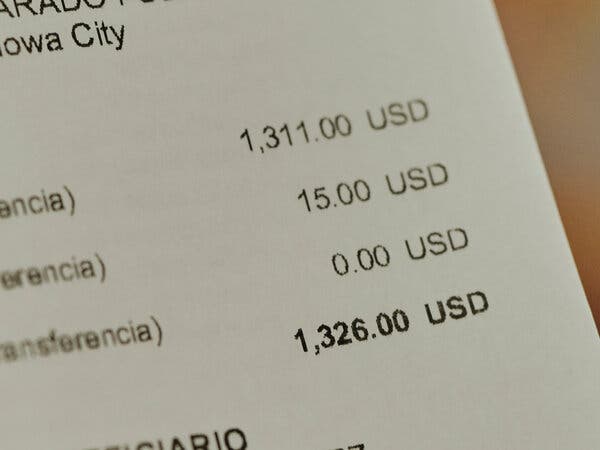
The last screen before you pay is the most important. Look for the "Total Recipient Amount" and the "Exchange Rate" applied. If you see a line item for "FX Markup" or "Processing Fee," that is your true cost. If the numbers look right, confirm. If they look off, go back and check another provider.


As an Amazon Associate, we may earn from qualifying purchases.
Common Mistakes That Inflate Your Transfer Costs
Even with the right provider, small errors in how you structure a transfer can quietly erode the value of your remittance. These mistakes often happen when senders focus only on the headline fee and ignore the total cost of moving money. Below are the most frequent pitfalls and how to avoid them.
Ignoring the Exchange Rate Margin
The headline transfer fee is rarely the only cost. Providers often build their profit into the exchange rate by offering a rate that is lower than the mid-market rate. For example, a provider might quote a rate that is 3% worse than the real market price. On a $500 transfer, that 3% margin costs you $15, which is often more than the stated transaction fee. Always compare the final amount the recipient receives against the mid-market rate, not just the upfront fee.
Choosing the Wrong Payout Method
How the money arrives matters. Bank deposits often have lower fees but take several days to clear. Cash pickup services are faster but frequently carry higher service charges. If you choose cash pickup, verify if the recipient’s local agent charges an additional collection fee. Some agents deduct a small amount from the principal before handing over the cash, effectively reducing the total sent.
Sending on Weekends or Holidays
Most remittance providers process transactions during business hours. If you initiate a transfer on a Friday evening or a holiday, the processing may not begin until the next business day. This delay can be costly if exchange rates fluctuate against you in the meantime. Plan your transfers early in the week to ensure the money moves when markets are open and rates are stable.
Forgetting to Check Recipient Country Limits
Some countries have strict limits on how much money can be received monthly or annually. If you send a large lump sum that exceeds these limits, the funds may be held in escrow or returned to you, incurring return fees. Always check the receiving country’s regulations and your provider’s specific limits for that destination before initiating a large transfer.
No comments yet. Be the first to share your thoughts!