
LATAM remittance 2026: The new baseline
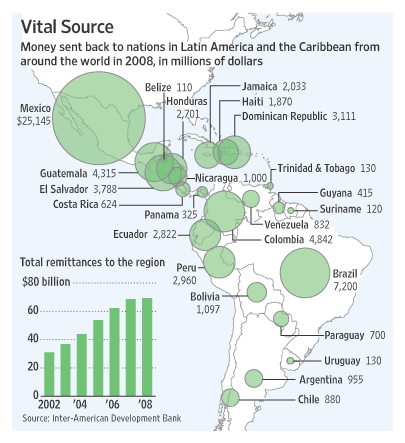
The landscape for sending money to Latin America is shifting. According to The Dialogue, the total volume of remittances flowing to Latin America and the Caribbean is projected to increase slightly in 2026. However, this growth is driven by diminishing annual changes in migration patterns rather than a surge in volume. With fewer migrants and increased deportations, there are approximately 750,000 fewer remitters than in previous years.
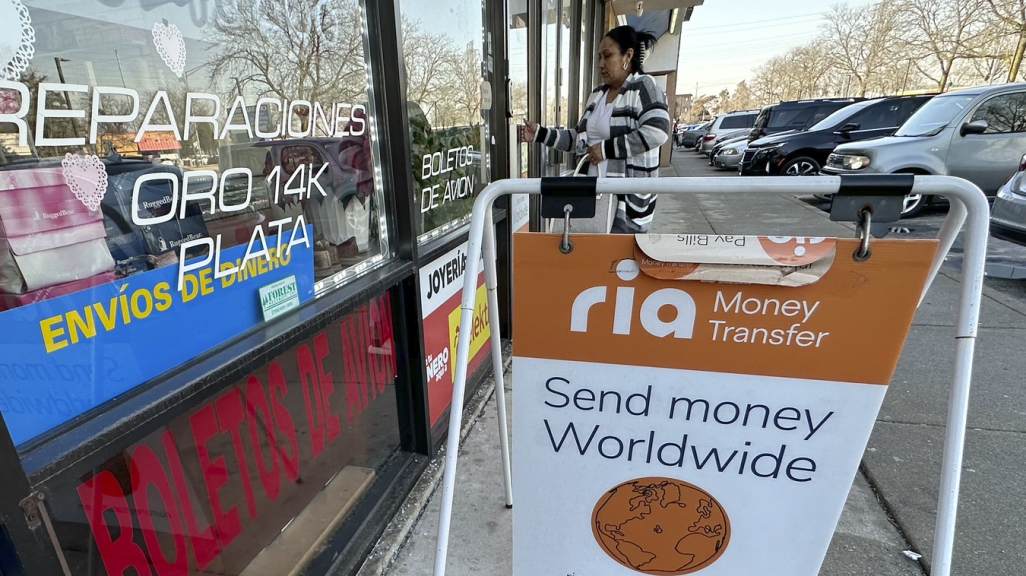
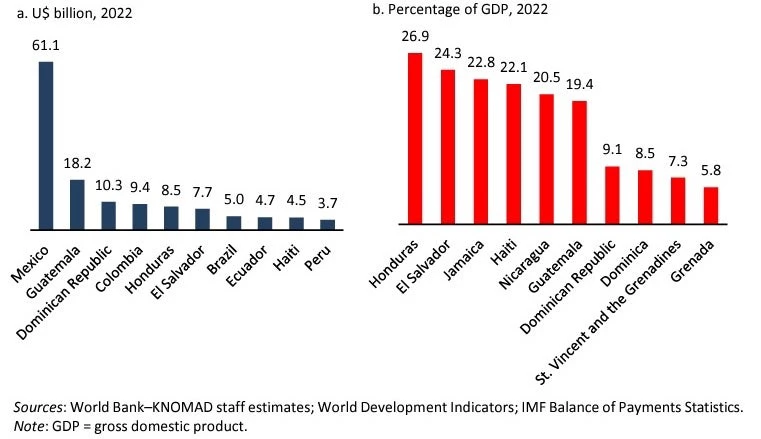
This contraction in the number of senders means that the principal amount sent per person is not expected to increase significantly. For families in Mexico, Colombia, and Central America, the pressure remains on the frequency and cost of transfers rather than the sheer size of the lump sum. This creates a specific demand for low-cost, high-frequency solutions that traditional banks often fail to meet.
While the total pool of money grows slowly, the cost of moving it remains a critical friction point. Traditional corridors still charge high fees, eating into the purchasing power of recipients. This is where stablecoins like USDC begin to offer a tangible advantage, potentially cutting fees by up to 40% compared to legacy wire services. The market is no longer just about moving money; it is about preserving value in a tightening economic environment.
The 2026 outlook suggests a bifurcated market. On one side, traditional institutions continue to serve high-net-worth individuals with complex compliance needs. On the other, digital-first platforms are capturing the mass market by prioritizing speed and transparency. For the average remitter, the choice is becoming clearer: pay for convenience and trust, or pay for efficiency and lower costs.
Latam remittance 2026 choices that change the plan
Choosing a remittance method in 2026 requires balancing speed, cost, and regulatory compliance. The landscape has shifted with new federal tax proposals and changing migration patterns, making the "cheapest option" dependent on your specific use case. While stablecoin platforms like USDC offer near-instant settlement and lower baseline fees, traditional providers still dominate in cash pickup networks and bank integration.
The following comparison highlights the core differences between major remittance channels available in 2026. This data reflects typical fees and transfer times for a standard $100 transfer to Mexico, excluding any potential new federal levies.
| Method | Speed | Typical Fee | Best For |
|---|---|---|---|
| USDC (Crypto) | Minutes | <$1 | Digital wallets & bank deposits |
| Wise/Remitly | 1-2 days | $2-$5 | Direct bank accounts |
| Western Union | Instant | $5-$10 | Cash pickup locations |
| MoneyGram | Instant | $5-$10 | Retail agent networks |
Who Should Use What
Digital-First Senders: If your recipient has a bank account or crypto wallet, USDC or fintech apps like Wise offer the lowest friction. You avoid the physical infrastructure costs that inflate traditional fees. However, you must plan around the volatility risk if not using a stablecoin, and ensure the recipient can convert the asset to local currency easily.
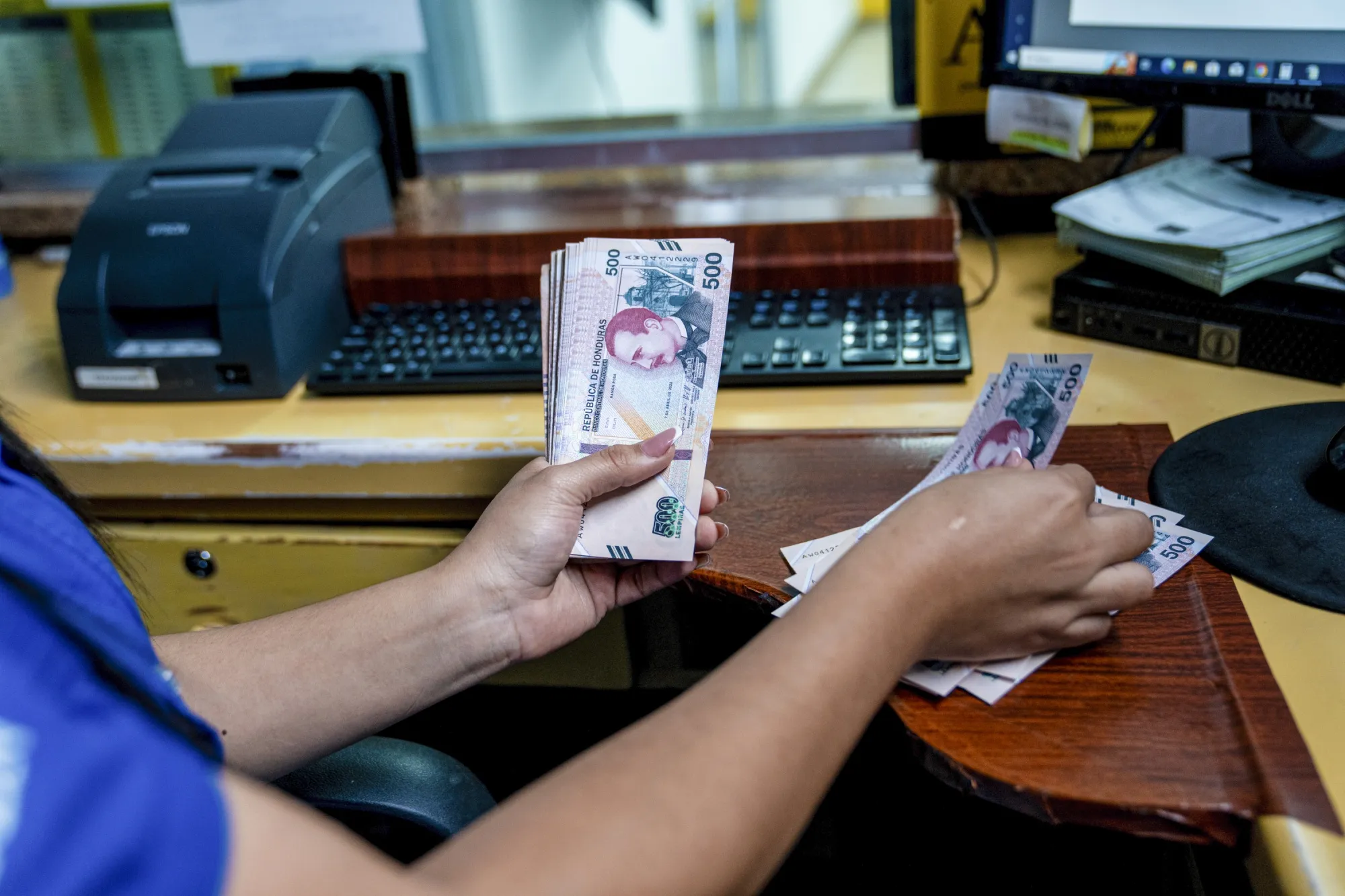
Cash-Dependent Recipients: In rural areas or for unbanked populations, cash pickup remains essential. Western Union and MoneyGram provide extensive agent networks, but their fees are higher. The tradeoff is convenience versus cost. For large transfers, consider splitting the amount: use crypto for the bulk and a traditional service for a small cash portion if needed.
Compliance and Limits: Be aware of the One Big Beautiful Bill’s proposed 1% federal tax on remittance transfers starting January 1, 2026, which may apply to traditional channels. Crypto transfers currently operate in a different regulatory bucket, though this is subject to change. Always verify the legal limits for transferring $50,000+ to Mexican banks, as large sums may trigger additional reporting requirements.
How to choose the right remittance method
Selecting a transfer channel depends on balancing speed, cost, and regulatory compliance. USDC-based solutions like LATAM Remit Stable typically offer lower fees than traditional banks, but they require digital literacy and reliable internet access. Traditional wire transfers remain the standard for large, one-time transactions, while mobile wallets dominate in regions with high smartphone penetration but limited banking infrastructure.
To make the right choice, compare your specific needs against these four criteria:
Calculate the total cost, including exchange rate margins. Traditional banks often hide fees in poor exchange rates. Stablecoin transfers usually charge a flat network fee, which is predictable regardless of the transfer amount. For high-volume senders, the savings compound quickly.
Determine how quickly the recipient needs the funds. Bank wires can take 2-5 business days due to intermediary banks. Stablecoin transfers settle in minutes, 24/7. If the recipient faces an immediate emergency, speed outweighs the slight convenience of a bank interface.
Ensure the platform adheres to local anti-money laundering (AML) and know-your-customer (KYC) laws. Using unregulated peer-to-peer channels for large sums can lead to frozen funds. Verified platforms provide audit trails that protect both sender and receiver in case of disputes.
Consider how the recipient accesses funds. Do they have a smartphone and a crypto wallet? Or do they need cash pickup? Hybrid models that allow stablecoin-to-cash conversion at local agents offer the best of both worlds: digital efficiency with physical liquidity.
| Method | Cost | Speed | Best For |
|---|---|---|---|
| Stablecoin (USDC) | Low (0-1%) | Minutes | Frequent, medium-sized transfers |
| Bank Wire | High ($20-$50+) | 2-5 days | Large, one-time investments |
| Mobile Wallet | Medium (1-3%) | Instant | Cash pickup via agents |
The decision ultimately hinges on frequency and trust. For regular family support, stablecoins offer a transparent, low-friction path. For significant capital movements, traditional banking provides a familiar, albeit slower, layer of institutional protection.
Avoid the weak options
The easiest mistake with 2026 guide: How LATAM Remit Stable Uses USDC to Cut Cross-Border Fees by 40% is comparing options on the most visible detail while ignoring the day-to-day constraint. A choice can look strong on paper and still fail because it is too hard to maintain, too expensive to repeat, or awkward in the actual setting. Use the same checklist for every option: fit, cost, durability, timing, upkeep, and fallback plan. That keeps the comparison practical instead of drifting into preference alone.
The simplest way to use this section is to write down the real constraint first, compare each option against it, and choose the path that still works outside ideal conditions.
No comments yet. Be the first to share your thoughts!