
How we picked zero-fee stablecoin transfer methods
Sending money across borders usually means paying a premium. Banks and remittance services often charge flat fees plus percentage-based spreads that eat into the total amount delivered. Stablecoins offer a way to bypass these traditional rails, but "zero-fee" rarely means completely free. It typically refers to the platform charging no commission on the transfer itself, though blockchain network gas fees and local on-ramping costs may still apply.
We focused on methods that eliminate the platform-side transaction fee for USD stablecoin transfers within Latin America. This approach prioritizes speed and cost-efficiency for both senders and receivers. Our selection criteria relied on current market data from official provider documentation and industry reports on LATAM corridor economics. We verified that the recommended methods maintain regulatory compliance and liquidity in the region.
5 Zero-Fee USD Stablecoin Transfer Methods for LATAM in 2026
Selecting the right stablecoin transfer method in LATAM requires balancing speed, regulatory compliance, and actual network costs rather than relying on advertised "zero-fee" labels. This roundup evaluates five concrete options for moving USD stablecoins in 2026, focusing on verified fee structures and regional availability.
Pick the right fit
Choosing a zero-fee transfer method requires balancing speed, accessibility, and the specific stablecoin you hold. While the on-chain transaction is free, the real cost lies in how easily you can move money in and out of the system in your country.
Regulatory environments vary significantly across Latin America. Some platforms require full identity verification (KYC) to access zero-fee tiers, while others allow smaller, anonymous transfers. Verify that the exchange or wallet you plan to use is licensed to operate in your specific jurisdiction to avoid frozen funds.
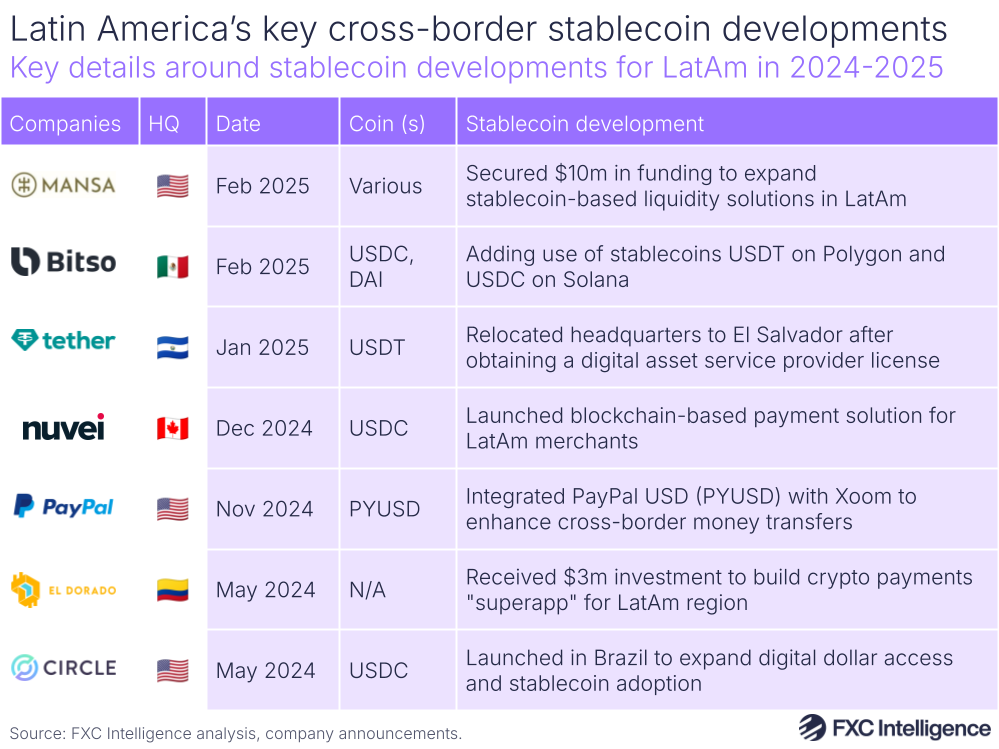
Not all stablecoins are accepted everywhere. USDT (Tether) remains the dominant currency for peer-to-peer remittances in many LATAM countries due to its widespread liquidity. However, USDC is gaining ground among regulated fintechs. Ensure your recipient can easily cash out the specific coin you are sending without facing high conversion spreads.
"Zero-fee" often applies only to the deposit or the on-chain transfer. The receiving end—whether a local bank account, a mobile wallet, or a cash pickup point—may charge a withdrawal fee. Calculate the total cost by adding the sender's fee, the network gas fee, and the recipient's cash-out fee.
Stablecoin transfers are instant on-chain, but fiat settlement can take time. If you need the recipient to access funds within minutes, choose a method that supports instant fiat payouts. For non-urgent transfers, you might tolerate a 1-3 day bank settlement to save on costs.
Specialized fintech rails like Eco or Tazapay offer zero-fee transfers between their own users or partners. These platforms often provide better exchange rates than general exchanges because they operate as closed-loop systems for specific corridors, such as Mexico-Colombia or Brazil-Argentina. Check if your recipient uses the same platform to maximize savings.
To help you find the right tools for securing your assets or setting up your first wallet, consider the following essential hardware and software options.


As an Amazon Associate, we may earn from qualifying purchases.
| Method | Speed | Best For |
|---|---|---|
| P2P Marketplaces | 1-30 min | Lowest fees, high liquidity |
| Fintech Apps | Instant | Ease of use, fiat on-ramps |
| Crypto Exchanges | 10-60 min | Large transfers, advanced tools |
FAQ: Zero-Fee USD Stablecoin Transfers for LATAM
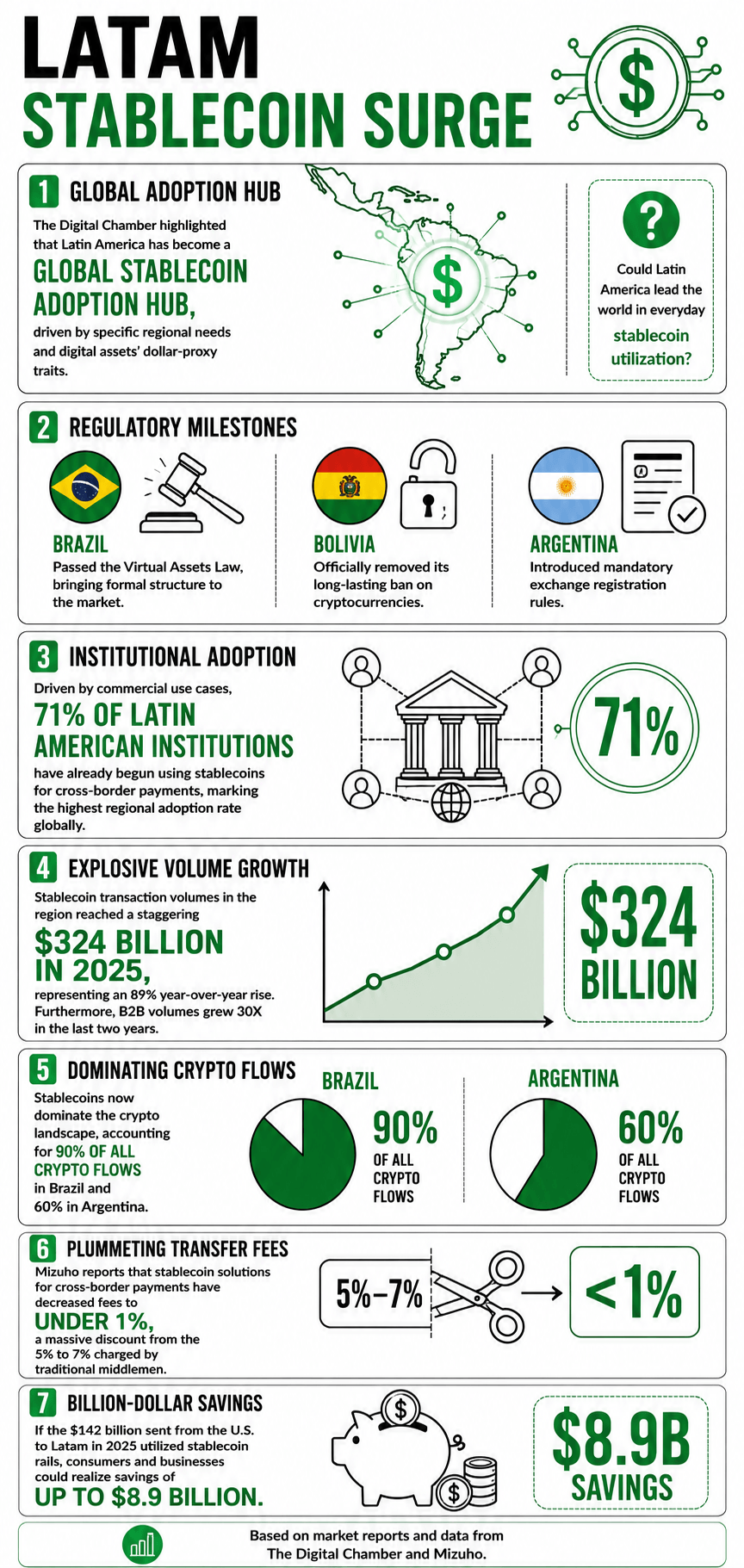
How much does it cost to transfer stablecoins? While the on-chain transfer itself is often near-zero, the total cost depends on exchange fees. Rain.xyz notes that remittance fees can be reduced by up to 92% when using zero-fee on/off-ramps. However, some platforms charge up to 4% for conversion. For enterprise corridors, stablecoin APIs cut costs by 30–50% compared to traditional wires, which typically run 2–7% all-in.
Which fintech company is the largest in Latin America? Nubank is the largest fintech in the region, serving over 100 million customers across Brazil, Mexico, and Colombia. While Nubank focuses heavily on traditional banking services, its scale demonstrates the region's appetite for digital financial infrastructure. For stablecoin-specific transfers, smaller specialized rails like Eco or Tazapay often offer more direct USD-to-local-currency liquidity.
How to use stablecoins for international transfers? Start by selecting a stablecoin like USDC or USDT on a low-fee network such as Polygon or Solana. Use a platform that offers zero-fee onboarding and offboarding to avoid conversion spreads. Send the tokens to the recipient’s wallet or exchange account, then convert to local currency at the destination. This method bypasses correspondent banking networks, reducing settlement time from days to minutes.
What are the latest updates on crypto legislation in 2026? Regulatory frameworks in LATAM are evolving rapidly. Brazil’s Marco Legal das Criptomoedas provides clarity for stablecoin issuers, while Mexico’s Fintech Law requires strict compliance for digital asset service providers. In 2026, enterprises are adopting stablecoins specifically because these regulations reduce compliance uncertainty. Always verify local licensing requirements before processing cross-border B2B payouts.
No comments yet. Be the first to share your thoughts!