Why stablecoin remittance fits LATAM
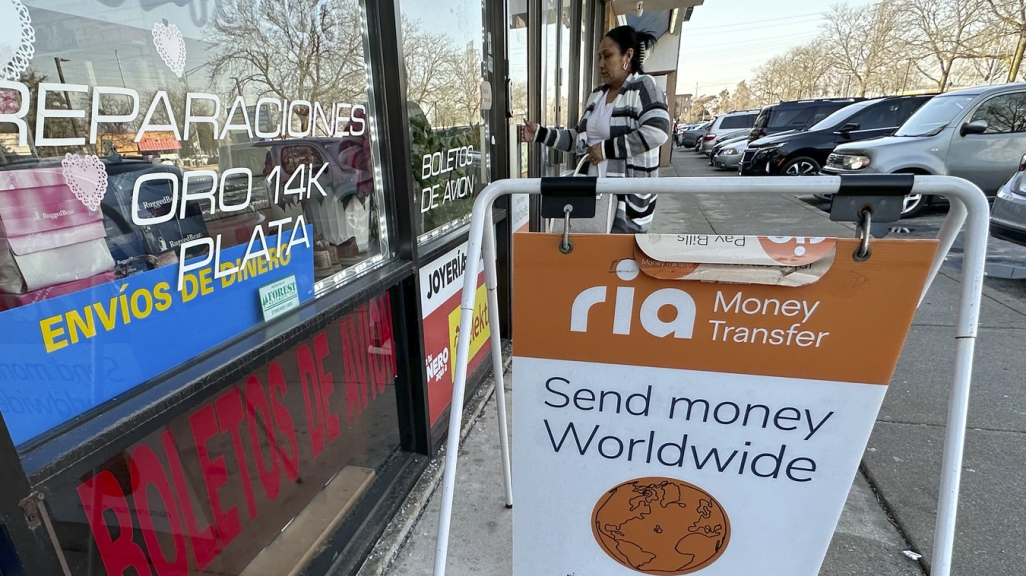
Traditional banking corridors between North America and Latin America remain slow and expensive. A sender in the United States or Canada often waits three to five business days for funds to clear, paying fees that can exceed 6% of the total transfer. This friction disproportionately affects migrant workers sending smaller, more frequent amounts to support families back home. Stablecoins like USDC and USDT offer a structural alternative by removing the correspondent banking layers that drive up costs and delay settlements.
The process is straightforward: the sender converts fiat currency into a stablecoin on a regulated exchange, transfers it over a low-fee blockchain network, and the recipient converts it to local currency via a local partner or wallet. This mechanism enables near-instant settlement regardless of the time of day or day of the week. According to research on cross-border adoption, stablecoin transfers typically handle average remittance volumes between $251 and $500, making them ideal for the most common household support needs in the region.
While regulatory landscapes vary across countries, the underlying technology provides a transparent and auditable trail that traditional wires often lack. For users prioritizing speed and cost efficiency over speculative asset growth, stablecoins function as a digital settlement layer rather than an investment vehicle. This utility makes them a practical tool for daily financial life, not just a niche crypto experiment.
Top stablecoin wallets for sending
Selecting a wallet for remittances requires balancing ease of fiat on-ramping with the security of the private keys. The goal is to move funds from a bank account or card into a stablecoin like USDC or USDT and send it to a recipient who can withdraw to local cash or a mobile wallet. The best tools minimize the friction between these two points.
Trust Wallet
Trust Wallet is a non-custodial option that gives users full control over their keys. It supports a wide range of blockchains, including BNB Chain, Ethereum, and Tron, which is critical because many Latin American recipients use TRC20 USDT to avoid high Ethereum gas fees. The interface allows for direct fiat purchases through third-party providers, though fees can vary. For users comfortable managing their own seed phrases, this offers the highest level of self-custody.
MetaMask
MetaMask is the standard for Ethereum-based transactions. While it is powerful, it is less ideal for simple remittance because gas fees on Ethereum mainnet are often too high for small transfers. However, it works well if users switch to Layer 2 networks like Arbitrum or Base, where fees are negligible. MetaMask does not have built-in fiat on-ramping, so users must first buy stablecoins on an exchange and then transfer them to the wallet. This adds a step but provides robust security for larger amounts.
Coinbase Wallet
Coinbase Wallet is a self-custody app that integrates with the Coinbase exchange. It offers a smoother fiat-to-crypto experience for beginners because users can buy stablecoins directly within the app and then send them from their self-custody wallet. This bridges the gap between centralized ease and decentralized control. It supports multiple chains, making it easier to choose low-fee networks for sending money to Latin America.
Binance Wallet
For users already on the Binance exchange, the integrated wallet offers the most direct path. Binance supports a vast array of stablecoins and networks, including Tether (USDT) on Tron and BNB Chain, which are the most common for remittances in the region. The internal transfer system is free and instant. However, relying on a single exchange means you are subject to their compliance rules and potential account freezes. It is efficient but carries counterparty risk.


As an Amazon Associate, we may earn from qualifying purchases.
Best exchanges for fiat on-ramps
Finding a regulated exchange that bridges USD or EUR directly to Latin American bank accounts requires balancing compliance with speed. The best platforms for remittance minimize friction at both ends: seamless fiat deposits and reliable stablecoin withdrawals to local liquidity pools. We prioritize exchanges with established regulatory licenses in their home jurisdictions and clear, published fee structures for cross-border transfers.
Kraken
Kraken stands out for its regulatory transparency and robust security infrastructure. It supports direct fiat deposits via SEPA (EUR) and ACH/Wire (USD), which are essential for low-cost entry into the stablecoin ecosystem. Kraken’s withdrawal options include direct transfers to certain Latin American bank accounts, reducing the need for intermediate conversions. Its fee schedule is tiered and transparent, making it predictable for regular remittance senders. For detailed compliance and fee information, refer to Kraken’s official help center.
Binance
Binance offers the deepest liquidity for stablecoins like USDT and USDC, which is critical for ensuring your remittance arrives at the quoted rate. It supports a wide array of fiat on-ramps, including bank transfers and credit card purchases in many LATAM countries. While its global presence is vast, users must verify local regulatory status, as access varies by jurisdiction. Binance’s P2P marketplace can also serve as an alternative on-ramp, though it carries different risk profiles. Check Binance’s regional support pages for local availability.
Bybit
Bybit has rapidly expanded its fiat gateway services, offering competitive rates for USD and EUR deposits. It focuses on user experience, providing a streamlined interface for converting fiat to stablecoins. Bybit supports withdrawals to various local bank accounts in LATAM, often with faster processing times than traditional banks. Its fee structure is straightforward, with no hidden charges for standard transfers. Review Bybit’s official documentation for the latest supported currencies and withdrawal methods.
Comparison of Top Exchanges
The following table compares key features of these exchanges relevant to remittance: fiat support, stablecoin availability, and withdrawal options to LATAM.
| Exchange | Fiat Deposits | Stablecoins | LATAM Bank Withdrawals |
|---|---|---|---|
| Kraken | SEPA, ACH, Wire | USDT, USDC, DAI | Yes (Limited) |
| Binance | Bank, Card, P2P | USDT, USDC | Yes (Varies) |
| Bybit | Bank, Card | USDT, USDC | Yes (Expanding) |
When selecting an exchange, verify that it is licensed in your country of residence. Regulatory compliance protects your funds and ensures that the platform can legally process fiat transactions. Always start with small test transfers to confirm withdrawal times and fees before committing larger sums.
Networks with lowest fees
Choosing the right blockchain network is the single most important decision when sending money to Latin America. The difference between networks isn't just technical; it determines whether your recipient receives 100% of the funds or loses a significant portion to gas fees. For remittance, you need speed and cost efficiency, not the security overhead of institutional settlement layers.
Polygon (MATIC)
Polygon is widely regarded as the most reliable layer-2 solution for stablecoin remittances. It offers near-instant finality and transaction costs that typically remain below one cent, even during peak usage. Because it is EVM-compatible, it integrates seamlessly with the vast majority of wallets and exchanges used in Latin America. Sending USDC or USDT on Polygon ensures the recipient can withdraw funds quickly without waiting for complex confirmations.
Solana (SOL)
Solana provides some of the lowest fees in the industry, often costing fractions of a cent per transaction. Its high throughput allows for rapid settlement, making it ideal for high-volume, low-value transfers common in family remittances. However, the ecosystem is less standardized than Ethereum's. Ensure your recipient's wallet supports Solana natively, as bridging assets out of the Solana ecosystem can introduce unnecessary friction and delay.
Tron (TRX)
Tron has historically been the default chain for USDT transfers due to its maturity and low costs. While fees are slightly higher than Solana, they remain negligible for remittance purposes. The primary advantage of Tron is its ubiquity; almost every crypto exchange and wallet in Latin America supports USDT on the TRC-20 standard. This makes it the safest bet for ensuring your recipient can access funds without needing to learn new software.
When selecting a network, prioritize the one that your recipient already uses. If they are already holding USDT on Tron, do not force them to bridge to Solana. The goal is to minimize friction for the recipient, ensuring they receive the full value of your transfer without technical hurdles.
Security checklist for senders
Sending stablecoins across borders is faster than traditional banking, but the speed cuts both ways. Once a transaction is confirmed on the blockchain, it is irreversible. For Latin American remittances, where families rely on these funds for daily expenses, a single error can mean lost savings. Treat every transfer with the same caution you would use when handing cash to a courier.

Never rely on copy-pasting addresses for large amounts. Scammers often replace a digit in a shared address with a similar-looking character. Compare the first four and last four characters manually. If you are using a new wallet, send a small test amount first to confirm the address works before sending the full remittance.
Stablecoins like USDT and USDC exist on multiple blockchains (Ethereum, Tron, Polygon, Solana). Sending USDT on the Ethereum network to a wallet expecting Tron (TRC20) will result in permanent loss. Check the recipient’s wallet to see which network they support. Most Latin American remittance tools support Tron or Polygon for lower fees and faster settlement.
For transfers exceeding $500, move your stablecoins from a hot wallet (connected to the internet) to a hardware wallet like Ledger or Trezor. This keeps your private keys offline, protecting them from phishing sites and malware. When you are ready to send, connect the device and sign the transaction locally. This adds a physical layer of security that software-only wallets cannot match.
The cost of a hardware wallet is negligible compared to the risk of losing a family’s monthly income. By verifying networks and securing your keys, you ensure that the technology serves as a bridge, not a barrier, to financial stability.
Common stablecoin: what to check next
Stablecoins offer speed, but they introduce new variables for both senders and recipients in Latin America. Understanding how these tools handle volatility, regulation, and cash-outs is essential before choosing a remittance path.
Are stablecoins truly stable?
Stablecoins are pegged to fiat currencies like the US dollar, but they are not government-insured. While major issuers maintain reserves, the value can deviate slightly during market stress. For remittances, this means the recipient receives a predictable amount in USD terms, but you must account for potential minor slippage during conversion.
Is using stablecoins for remittances legal in LATAM?
Regulation varies significantly across Latin America. Countries like El Salvador have adopted Bitcoin as legal tender, while others like Brazil and Mexico have established clear frameworks for digital asset service providers. Always verify the local status of cryptocurrency transactions in both the sender and recipient countries to ensure compliance with local financial laws.
How do recipients cash out stablecoins?
Recipients typically convert stablecoins to local currency via peer-to-peer (P2P) platforms or local exchange partners. Some tools integrate directly with local bank transfers or mobile money accounts, reducing the steps required. The ease of cash-out depends on the recipient's access to reliable on-ramps and their comfort with digital wallets.
No comments yet. Be the first to share your thoughts!