
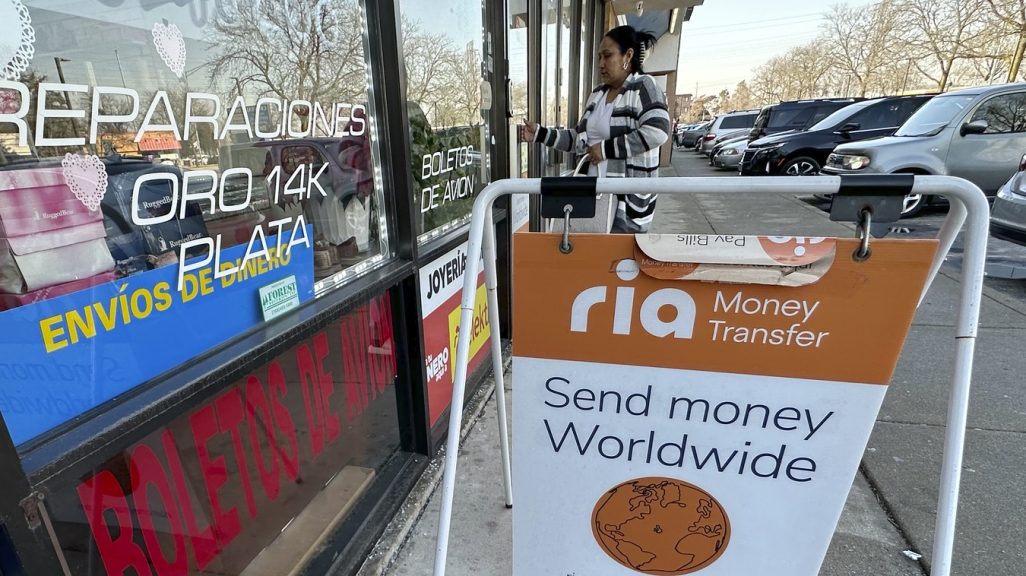
New 2026 remittance tax rules
Starting January 1, 2026, a new 1% federal remittance transfer tax takes effect for money sent from the United States to recipients in foreign countries. This rule, established under the "One Big Beautiful Bill" and detailed in recent Treasury and IRS proposed regulations, targets the method of payment rather than the recipient.[1][2]
The tax applies specifically when the sender provides cash, a money order, a cashier's check, or other similar physical instruments to the remittance transfer provider. If you use a bank account, debit card, or credit card to fund your transfer, this 1% tax does not apply. For the estimated $161 billion sent to Latin America and the Caribbean in 2024, this change significantly impacts cash-based transfer strategies.[3]
When calculating the total cost of sending money to Latin America, you must now add this 1% fee to any existing transfer fees and exchange rate margins. For large transfers, this additional cost can be substantial. Consider switching to digital payment methods or bank transfers to avoid the tax entirely, or factor it into your budget if you must use cash-based services.
[1] https://www.irs.gov/newsroom/treasury-irs-issue-proposed-regulations-on-the-new-remittance-transfer-tax-established-under-the-one-big-beautiful-bill [2] https://www.westernunion.com/blog/en/us-remittance-tax/ [3] https://inter-american-law-review.law.miami.edu/new-federal-remittance-tax-has-taken-effect-what-it-means-for-latin-america/
Top remittance services compared
Choosing the right provider depends on your specific corridor. Fees and exchange rates vary significantly by destination country, so comparing options is essential to minimizing costs.
Western Union
Western Union remains a dominant player due to its extensive global network. While fees can be higher for cash pickups, digital transfers often offer competitive rates. It is a reliable option for recipients who prefer physical cash collection.
Ria Money Transfer
Ria frequently offers $0 fees on your first transfer to major countries like Colombia, Peru, and Haiti. Their digital-first approach often results in faster delivery times compared to traditional bank wires. Check their current promotions for new users.
Fonmoney
Fonmoney specializes in online transfers from the EU, UK, and Mexico to Latin America. They focus on providing expert support and transparent exchange rates for specific regional corridors. This service is ideal for senders in those regions.
Wise
Wise (formerly TransferWise) uses the mid-market exchange rate with a transparent fee structure. While not all LATAM countries are supported for direct bank deposits, it is often the cheapest option for digital transfers where available.
| Provider | Typical Fees | Transfer Speed | Key LATAM Coverage |
|---|---|---|---|
| Western Union | Variable (higher for cash) | Minutes to 1 day | Global, strong in Mexico & Brazil |
| Ria Money Transfer | Low/Zero for first transfer | Minutes to 1 day | Colombia, Peru, Haiti, Mexico |
| Fonmoney | Low | 1-2 business days | Mexico, Colombia, Peru, Central America |
| Wise | Transparent low fee | 1-2 business days | Major banks in Mexico, Brazil, Chile |
Important Tax Note: Beginning January 1, 2026, a 1% remittance transfer tax applies to transfers from the United States when paid with cash, money orders, or cashier's checks. Digital payments are generally exempt. Always verify current IRS regulations before sending large amounts.
Best options for Mexico and Colombia
The United States sends over $65 billion to Mexico and roughly $30 billion to Colombia annually. For these specific corridors, general comparison tools often miss the nuances of local payout methods. The best services balance low fees with the ability to deposit directly into bank accounts or pick up cash at local stores like OXXO in Mexico or Efecty in Colombia.
Mexico: Ria Money Transfer and Western Union
Ria Money Transfer consistently ranks high for Mexico due to competitive exchange rates and the ability to send funds to major banks like BBVA or Banorte. It also supports cash pickups at thousands of locations. Western Union remains a staple for its massive physical footprint, ensuring recipients in rural areas can access funds quickly, though fees can vary significantly depending on the payout method.
Colombia: Ria Money Transfer and WorldRemit
For Colombia, Ria Money Transfer is a top choice for its speed and integration with local banks like Bancolombia and Davivienda. WorldRemit is another strong contender, particularly for users who prefer sending directly to mobile wallets or cash pickup locations. Both services often offer zero fees on the first transfer for new users, which can be valuable for testing exchange rates.
2026 Remittance Tax Update
Starting January 1, 2026, a new 1% remittance transfer tax applies to transfers from the United States when paid with cash, money orders, or cashier's checks. This tax does not apply to transfers funded by bank accounts or debit cards. When choosing a service for Mexico or Colombia, consider using a bank-linked payment method to avoid this additional cost.

![AKERU Portable CAC Card Reader DOD Military Smart Card Reader, Universal Compatibility, for Mac/Windows with LED Indicator, Compact PIV & ID Chip Card Reader, Cable Management [EAO-10]](https://m.media-amazon.com/images/I/51RLmU1XdgL._AC_UY654_QL65_.jpg)

As an Amazon Associate, we may earn from qualifying purchases.
Crypto Remittances and Digital Wallets
Stablecoins like USDC and USDT have become a primary bridge for sending money to Latin America, offering speed and cost advantages that traditional wire transfers struggle to match. By pegging their value to the US dollar, these digital assets allow senders to bypass the volatility often associated with local currencies, while leveraging blockchain networks to move funds in minutes rather than days. Platforms like Belo have emerged as key facilitators in this space, providing users with a crypto wallet experience that simplifies the conversion between digital assets and local fiat currency.
The regulatory landscape for these transfers is shifting. As noted by the IRS, a new 1% remittance transfer tax takes effect on January 1, 2026, but it specifically targets transfers made via cash, money orders, or cashier's checks. Digital transfers using stablecoins often fall outside this specific physical instrument definition, potentially offering a tax-advantaged route for certain senders, though users must always verify current tax codes with a professional. This regulatory nuance makes digital wallets an attractive option for those looking to minimize fees and adhere to new tax structures.
Mastercard’s research highlights that solutions like Binance’s "Crypto Remittances" now support transfers to bank accounts in nine Latin American countries, signaling a broad institutional acceptance of crypto as a remittance rail. For users, this means greater liquidity and lower friction compared to legacy providers.
Frequently asked questions about the 2026 remittance tax
What is the international transfer tax for 2026?
Starting January 1, 2026, a 1% remittance transfer tax applies to transfers sent from the United States to foreign countries. This applies specifically when you pay the remittance provider using cash, a money order, a cashier's check, or similar physical instrument. The IRS and Treasury issued proposed regulations to implement this tax. You can check the official IRS guidance on the new tax rules.
Can you send money to another country in 2026?
Yes, international transfers remain fully operational in 2026. However, the new 1% remittance tax changes the cost structure for certain payment methods. If you send money to people abroad, it is important to understand this tax and your alternatives to avoid paying more than necessary. Digital payment methods (bank transfers, debit cards) are generally exempt from this specific physical instrument tax, though standard service fees still apply.
Does the remittance tax apply to all payment methods?
No. The 1% tax only triggers if you provide cash, a money order, or a cashier's check to the transfer provider. Payments made via digital bank accounts, debit cards, or credit cards are not subject to this specific 1% levy. This distinction makes digital payment options through services like Ria or Western Union more tax-efficient for high-volume senders.
How does the 1% remittance tax affect my transfer to Latin America?
The tax applies to the total amount sent, not just the fee. For example, sending $1,000 via cash or cashier's check would incur an additional $10 tax. To minimize costs, consider using digital funding sources where available. Many providers, including Ria, offer $0 fees on your first transfer to countries like Colombia, Peru, and Haiti, which can help offset minor transaction costs.
No comments yet. Be the first to share your thoughts!