Why stablecoins dominate LATAM remittances
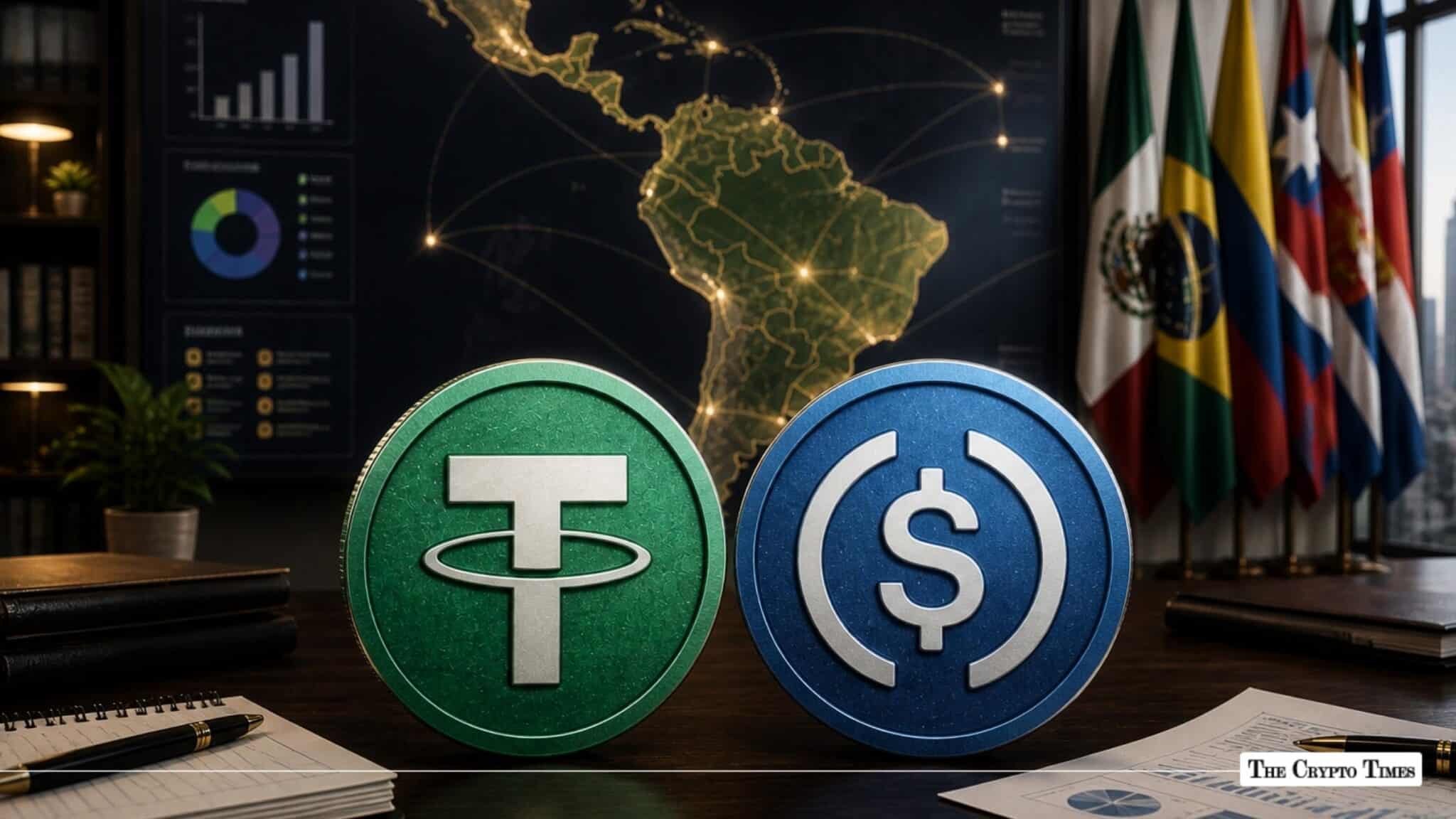
The landscape for cross-border money movement in Latin America is undergoing a structural shift. By 2026, stablecoins are projected to account for 18% to 22% of the remittance market, representing a transfer volume between $25.5 billion and $31.2 billion. This surge reflects a decisive move away from traditional banking wires toward digital rails that prioritize speed and cost-efficiency.
For families in LATAM, the difference between a multi-day bank transfer and near-instant settlement is not merely a convenience—it is a financial lifeline. Low fees ensure that more of the sent money reaches the recipient, while speed mitigates the risk of currency fluctuation and fraud. As regulatory frameworks tighten, the focus remains on compliance and security, ensuring these digital assets operate within legal boundaries.
Official sources, including Mastercard and TRM Labs, highlight that the integration of stablecoins into mainstream payment infrastructure is driven by the need for transparent, auditable transaction records. This shift allows remittance corridors to bypass the high overhead of correspondent banking, offering a more reliable alternative for both senders and receivers.
5 Low-Fee Stablecoins for Crypto Remittances LATAM 2026
Navigating LATAM's complex regulatory landscape requires stablecoins that prioritize compliance and security above all else. This selection is strictly vetted against official statements from Mastercard, TRM Labs, and government bodies to ensure your remittances remain legally secure and cost-efficient in 2026.
-

USDC: Compliance-first choice for LATAM
USDC stands as the premier compliance-first stablecoin for LATAM remittances, backed by Circle’s rigorous regulatory adherence. As highlighted in official Mastercard partnerships, its transparency aligns with strict anti-money laundering standards across the region. Users benefit from predictable settlement times and institutional-grade security, making it a trusted vehicle for cross-border value transfer where regulatory clarity is paramount for financial inclusion. -

USDT: Liquidity king for regional transfers
Tether (USDT) remains the liquidity king for regional transfers, dominating trading pairs across LATAM exchanges. Its extensive network ensures rapid settlement even during high-volume periods, a critical factor for urgent remittances. While TRM Labs monitors its flow for compliance, its unmatched depth provides users with minimal slippage, ensuring that funds reach recipients efficiently without the friction often seen in less liquid digital assets. -

DAI: Decentralized stability for regulatory resilience
DAI offers decentralized stability, providing a resilient alternative for users seeking regulatory independence. Unlike centralized issuers, DAI’s overcollateralized model reduces counterparty risk, appealing to those wary of single-point failures. This structure ensures that value remains stable even if specific institutional frameworks shift, offering a robust layer of security for remittances in regions with evolving digital asset laws and uncertain banking infrastructure. -
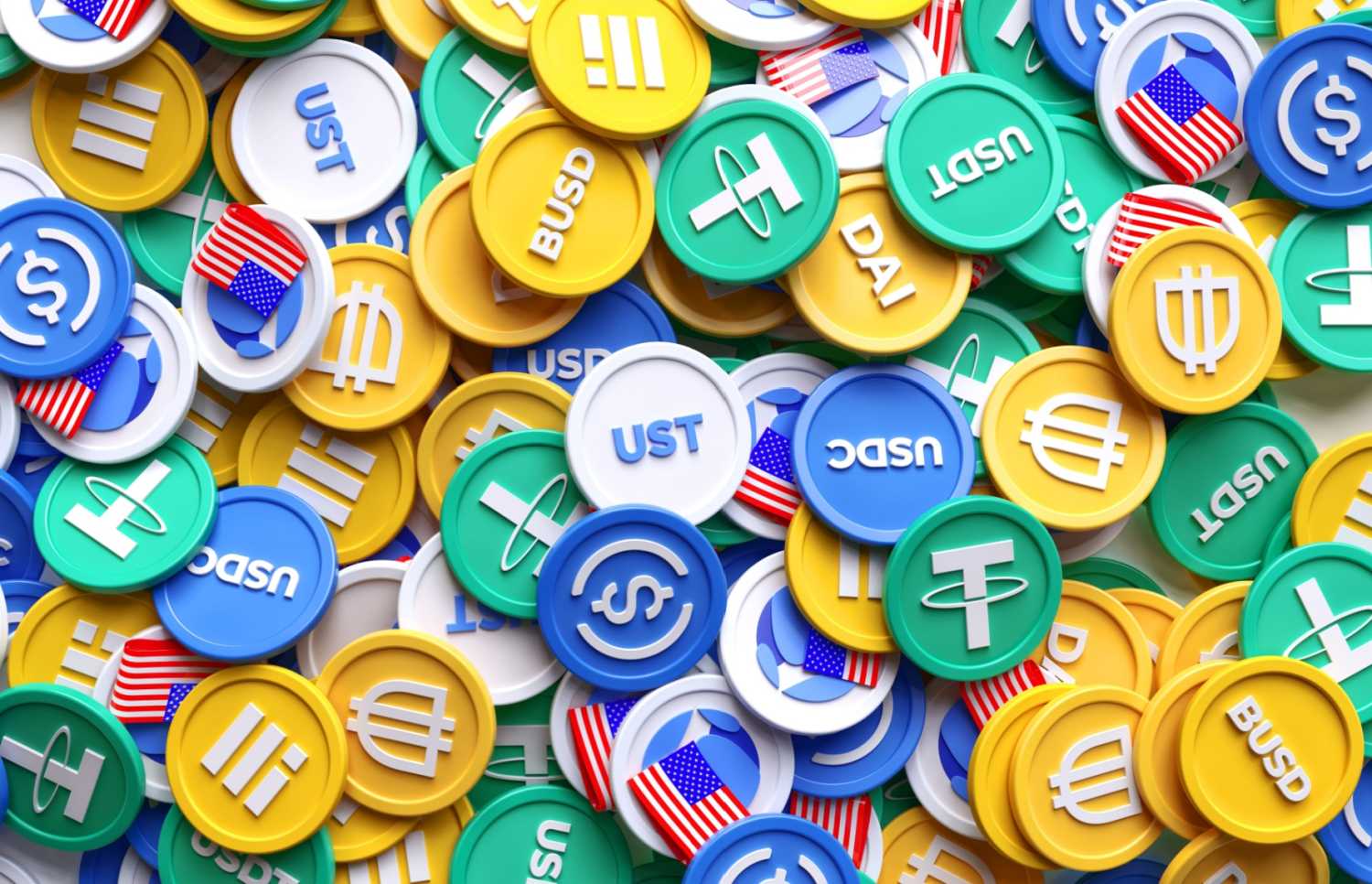
FDUSD: Regulated alternative for institutional safety
First Digital USD (FDUSD) emerges as a regulated alternative, prioritizing institutional safety through strict reserve management. Backed by real-time attestations, it caters to users requiring high-level assurance in their remittance channels. Its design focuses on minimizing operational risk, ensuring that funds are fully collateralized and accessible. This approach aligns with growing demands for transparency in LATAM’s financial sector, where trust in digital assets is increasingly tied to verifiable backing. -

GUSD: Audited stability for compliant remittances
Gemini Dollar (GUSD) delivers audited stability, designed specifically for compliant remittances. Issued by a New York-chartered trust company, it undergoes regular audits to ensure full reserve backing. This rigorous oversight provides peace of mind for users navigating complex regulatory landscapes, ensuring that every transaction meets strict compliance standards. For LATAM senders, GUSD represents a secure, transparent option that prioritizes legal adherence alongside efficient cross-border value transfer.
How to choose the right stablecoin
Selecting a stablecoin for LATAM remittances requires balancing cost against regulatory safety. By 2026, stablecoins are projected to capture 18% to 22% of the remittance market, representing roughly $25.5 billion to $31.2 billion in transfer volume across the region [src-serp-3]. This growth is driven by lower fees and faster settlement times compared to traditional banking corridors, but it also introduces compliance risks that vary by jurisdiction.
The decision framework rests on three pillars: network fees, settlement speed, and regulatory status. Fees depend on the underlying blockchain (e.g., Solana, Tron, Ethereum) rather than the stablecoin issuer alone. Speed is determined by block times and network congestion. Regulatory risk is the most critical factor; some issuers are fully compliant with US and EU regulations, while others operate with less transparency, potentially exposing recipients to frozen assets or legal scrutiny.
Comparison of Top Stablecoins
The table below compares five major stablecoins based on typical network characteristics and regulatory standing. Note that actual fees vary by blockchain network (e.g., USDC on Solana vs. USDC on Ethereum).
| Stablecoin | Common Networks | Settlement | Regulatory Status |
|---|---|---|---|
| USDC | Solana, Ethereum, Polygon | Seconds to Minutes | Fully compliant (US/EU), Circle reserves audited |
| USDT | Tron, Ethereum, BSC | Seconds to Minutes | Tether Limited, less transparent reserves, widely accepted |
| DAI | Ethereum, Polygon | Minutes | Decentralized (MakerDAO), algorithmic/backed, DeFi native |
| FDUSD | Ethereum, BSC, Solana | Seconds to Minutes | FTX/Alameda successor, Coinbase partnership, US-focused |
| GUSD | Ethereum, Solana | Seconds to Minutes | Gemini, NYDFS regulated, fully reserved |
Security and Hardware Wallets
For high-value transfers or frequent remitters, self-custody via a hardware wallet is the safest option. This protects your assets from exchange hacks or platform insolvency. Ensure you purchase from the official manufacturer to avoid tampered devices.



As an Amazon Associate, we may earn from qualifying purchases.
Final Recommendation
For most LATAM corridors, USDC on Solana or USDT on Tron offers the best balance of low fees and speed. However, if regulatory compliance is your top priority, USDC or GUSD are the safest choices due to their transparent reserve structures and regulatory adherence. Always verify the receiving platform supports your chosen stablecoin and network to avoid unnecessary conversion fees.
Secure Your Remittance Transfers
Sending money across borders via crypto carries real risks. A single typo in an address can erase funds permanently, and regulatory scrutiny in LATAM is tightening. Following a strict security checklist protects your capital and ensures compliance with local financial laws.
Before sending, double-check every character of the recipient’s wallet address. Crypto transactions are irreversible; there is no customer support to reverse a mistake. Use copy-paste functions and verify the first and last four characters manually. If sending to a business, confirm the address through a separate, verified channel like a phone call or official invoice.
Never store large remittance balances in hot wallets or exchange accounts. A hardware wallet keeps your private keys offline, shielding them from online hacks and phishing attempts. For LATAM senders managing significant sums, this is the most effective way to secure assets before and after transfer.
Ensure both sender and recipient use the same blockchain network (e.g., TRC20 for Tron, ERC20 for Ethereum). Sending USDT via ERC20 to a TRC20 address will result in lost funds. Always confirm the network type with the recipient before initiating the transaction to avoid costly and irreversible errors.
Regulatory bodies in LATAM, including Brazil’s Central Bank and Mexico’s CNBV, are increasing oversight on crypto flows. Keep records of your transaction hashes and source of funds documentation. This ensures you can prove the legitimacy of your remittances if questioned by financial institutions or tax authorities.


As an Amazon Associate, we may earn from qualifying purchases.
Stablecoin remittance FAQs
Is sending stablecoins legal in LATAM? Regulatory status varies by jurisdiction. Brazil and El Salvador have established frameworks, while other nations are still defining rules. Always verify local regulations before transacting.
Do I pay taxes on crypto remittances? Yes. Most LATAM countries treat crypto assets as property. Transactions may trigger capital gains or income tax liabilities. Consult a local tax professional for your specific situation.
Which banks are adopting crypto remittances? Several institutions are integrating crypto rails. For example, Braza Bank in Brazil uses XRP as a bridge currency on the XRP Ledger, demonstrating real-world adoption of stablecoin-adjacent infrastructure.
How secure are these transfers? Security depends on your custody method. Hardware wallets are the gold standard for protecting private keys. We recommend using devices like the Ledger Nano X to safeguard your funds against online threats.


As an Amazon Associate, we may earn from qualifying purchases.
No comments yet. Be the first to share your thoughts!