
Why stablecoins beat traditional remittances in 2026
Sending money to Latin America has become significantly more expensive this year. As of January 1, 2026, a new U.S. federal law imposes a 1% tax on international money transfers paid for with cash, money orders, or cashier’s checks. For the estimated $160 billion sent annually from the U.S. to Latin America, this levy eats directly into the funds families rely on for daily expenses.
Traditional remittance providers like Western Union or MoneyGram have long been criticized for high fees and slow settlement times. While some services allow you to avoid the new tax by paying with a debit card, they still charge processing fees that often range from 3% to 7%. These transfers can also take days to clear, leaving recipients without immediate access to funds during emergencies.
Stablecoins offer a structurally different path. By moving value on blockchain networks, you avoid the cash-based tax trigger and typically pay network fees that are a fraction of a percent. This isn't just about avoiding a tax; it's about efficiency. The money arrives in minutes, not days, and the recipient can convert it to local currency or hold it without the friction of traditional banking intermediaries.
Choose the right stablecoin for your corridor
Not all stablecoins work equally well across Latin American borders. The two dominant options, USDC and USDT, serve different liquidity needs depending on where the recipient lives. Selecting the wrong asset can increase fees or delay settlement because local exchanges may not support your chosen token.
USDC: The Compliance-First Choice
USDC (USD Coin) is issued by Circle and maintains a 1:1 reserve backed by cash and short-dated U.S. Treasuries. It is the preferred choice for corridors requiring strict regulatory compliance. In Mexico and Colombia, USDC is widely supported by major fiat on-ramps and regulated exchanges, making it easier for recipients to convert to local currency without triggering compliance flags.
USDT: The Liquidity King
Tether (USDT) offers deeper liquidity and broader acceptance on peer-to-peer (P2P) platforms across the region, particularly in Argentina. However, it has faced historical scrutiny regarding its reserve transparency. If speed and availability on P2P markets are your priority, USDT is often the default, but it carries higher reputational risk in regulated financial systems.
Comparison by Country
Use this table to match the stablecoin to the recipient's location. Data reflects general exchange availability and regulatory stance as of early 2026.
| Country | USDC Availability | USDT Availability | Best For |
|---|---|---|---|
| Mexico | High (Major Exchanges) | High (P2P & Exchanges) | Compliance & Bank Integration |
| Colombia | High (Binance, Bitso) | High (P2P Dominance) | Regulatory Clarity |
| Argentina | Moderate (Limited P2P) | Very High (P2P Standard) | P2P Liquidity & Speed |
Decision Framework
If your recipient uses a regulated bank or exchange in Mexico or Colombia, USDC is the safer bet for long-term storage and easy fiat conversion. For Argentina, where P2P markets dominate due to currency controls, USDT is often the only practical option for quick, low-friction transfers. Always verify the recipient's preferred exchange before sending.
Step-by-step: Send money to Latin America 2026
Sending stablecoins to Latin America involves four main actions: acquiring the crypto, transferring it, converting it to local currency, and withdrawing the funds. This workflow works across major corridors like Mexico, Colombia, and Brazil, where exchanges like Mercado Bitcoin and Binance have established local liquidity.
Start by purchasing a stablecoin pegged to the U.S. dollar, such as USDC or USDT, on a regulated U.S. platform like Coinbase or Kraken. Buy the exact amount you intend to send, plus a small buffer for network fees. Ensure you are on the correct network (e.g., Solana, Tron, or Ethereum) that your recipient’s wallet supports to avoid lost funds.
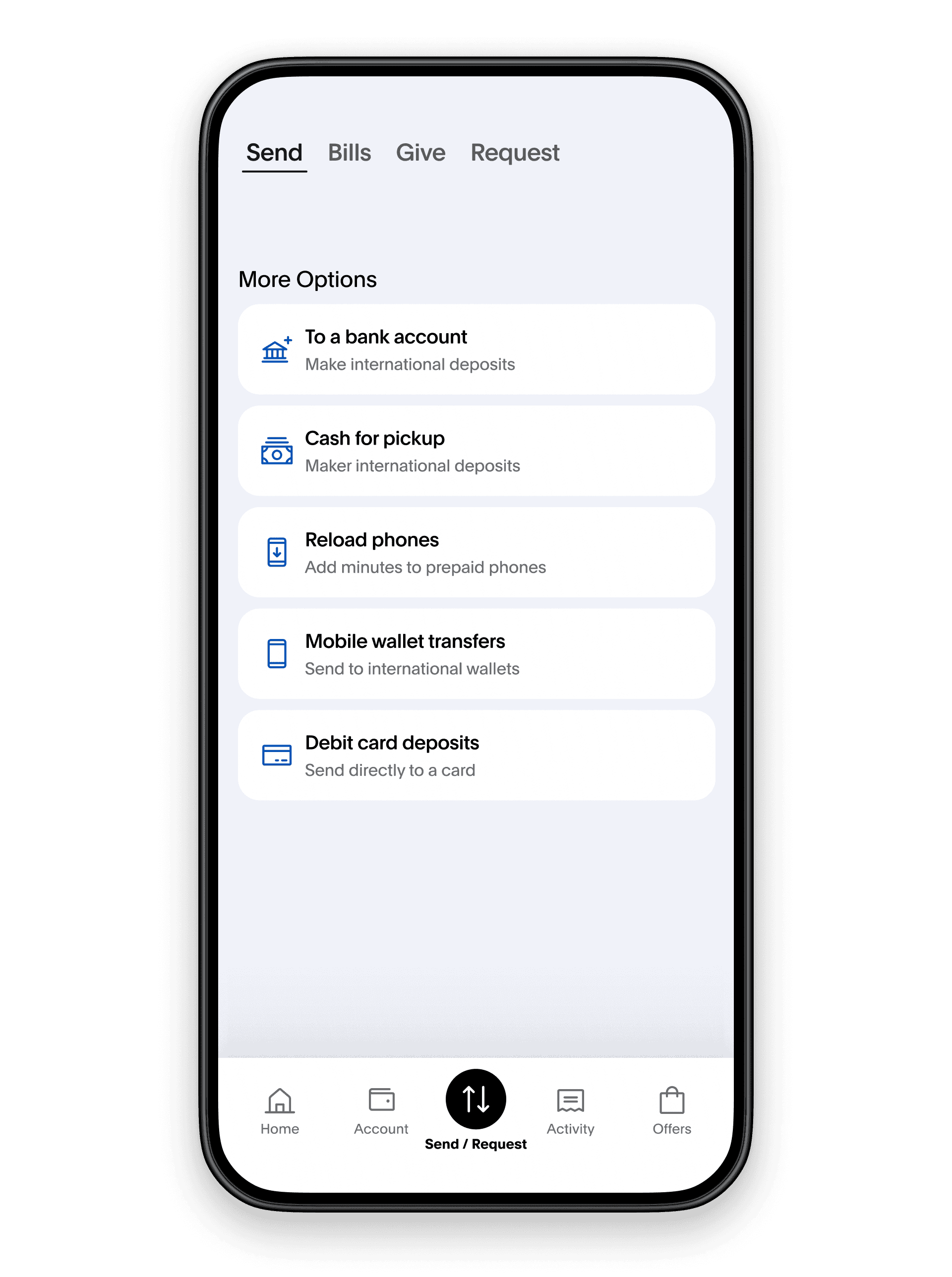
Initiate a withdrawal from your U.S. exchange to the recipient’s wallet address. Double-check the first and last four characters of the address. If you are using a P2P platform, you may send the funds directly to the buyer’s wallet within that app. Confirm the transaction on the blockchain once the network confirms it.

Once the recipient receives the stablecoin, they sell it for their local currency (MXN, COP, BRL) via a local exchange or P2P marketplace. In Mexico, Binance P2P is widely used; in Brazil, Mercado Bitcoin is a primary option. The recipient sets a sell order at the current market rate. This step converts the digital dollar into spendable local cash.
Finally, the recipient withdraws the fiat currency to their local bank account, debit card, or mobile money service (like Nequi in Colombia or OXXO in Mexico). Most local exchanges offer instant bank transfers (SPEI in Mexico, Pix in Brazil). The recipient now has access to the funds in their local currency without the delays of traditional wire transfers.
Best platforms for crypto remittances to LATAM
Selecting the right stablecoin platform depends on whether you prioritize speed, cost, or local fiat access. The best services bridge the gap between US-based crypto assets and Latin American bank accounts or mobile wallets without requiring the recipient to hold cryptocurrency.
Común
Común is a regulated money transmitter designed specifically for the US-LATAM corridor. It allows users to send stablecoins (USDC) which are then converted to local fiat for bank deposits or cash pickup. The platform handles the regulatory compliance on both sides, making it one of the most seamless options for sending money to Latin America using crypto. Its interface is simplified for non-technical users, removing the need to manage private keys or complex gas fees.
Binance Remittances
Binance offers a dedicated "Crypto Remittances" feature that allows users to send USDT or other stablecoins directly to recipients in LATAM. The recipient can choose to hold the crypto or withdraw it to a local bank account via Binance's P2P market or direct fiat integration. As noted in Mastercard's analysis of the future of remittances, Binance has expanded its operations in Mexico and Brazil to capture this high-volume market. This option is ideal for users already familiar with the Binance ecosystem.
Mercado Bitcoin
For transfers specifically targeting Brazil, Mercado Bitcoin provides a robust infrastructure for converting crypto to Brazilian Real (BRL). Its entry into the broader LATAM market demonstrates the growing integration of crypto exchanges with traditional remittance flows. Users can send stablecoins to the platform, which then facilitates the fiat withdrawal to the recipient's local bank account. This is a strong alternative for Brazil-bound remittances where local exchange rates and banking rails are critical.
Security Considerations
While these platforms handle the on-ramp/off-ramp, securing your source funds is essential. If you are holding significant amounts of stablecoins before sending, consider using a hardware wallet for storage. Secure storage devices like Ledger or Trezor ensure that your private keys never touch an internet-connected device, reducing the risk of theft during the transfer process.


As an Amazon Associate, we may earn from qualifying purchases.
Avoid common mistakes in cross-border crypto transfers
Sending stablecoins to Latin America is fast, but a single configuration error can cost you time or money. The most frequent pitfall is network mismatch. Always verify that the sending platform and the recipient’s wallet support the same blockchain network. Sending USDC via ERC-20 when the recipient expects TRC-20 (Tron) results in lost funds or expensive, slow recovery processes. Treat the network selection like choosing the right shipping carrier; using the wrong one doesn’t just delay delivery—it often breaks the package.
Slippage is the second hidden cost. Even with stablecoins pegged to the US dollar, price deviations occur during high volatility or low liquidity periods. If you are sending a large amount, use limit orders or check the real-time spread before confirming. A 0.5% slippage on a $1,000 transfer means $5 lost instantly. Always review the final estimated receipt amount before signing the transaction.
Counterparty risk on P2P platforms requires diligence. Not all buyers are verified. Check the trader’s completion rate, transaction history, and user reviews. Stick to platforms that offer escrow services, which hold the crypto until the fiat payment is confirmed in the recipient’s bank account. This adds a layer of protection against fraud, ensuring you aren’t sending digital assets to an unverified entity.
-
Verify network (TRC20 vs ERC20)
-
Confirm recipient's KYC status
-
Check daily limits
By double-checking these three areas, you ensure your remittance arrives safely and efficiently.
No comments yet. Be the first to share your thoughts!