
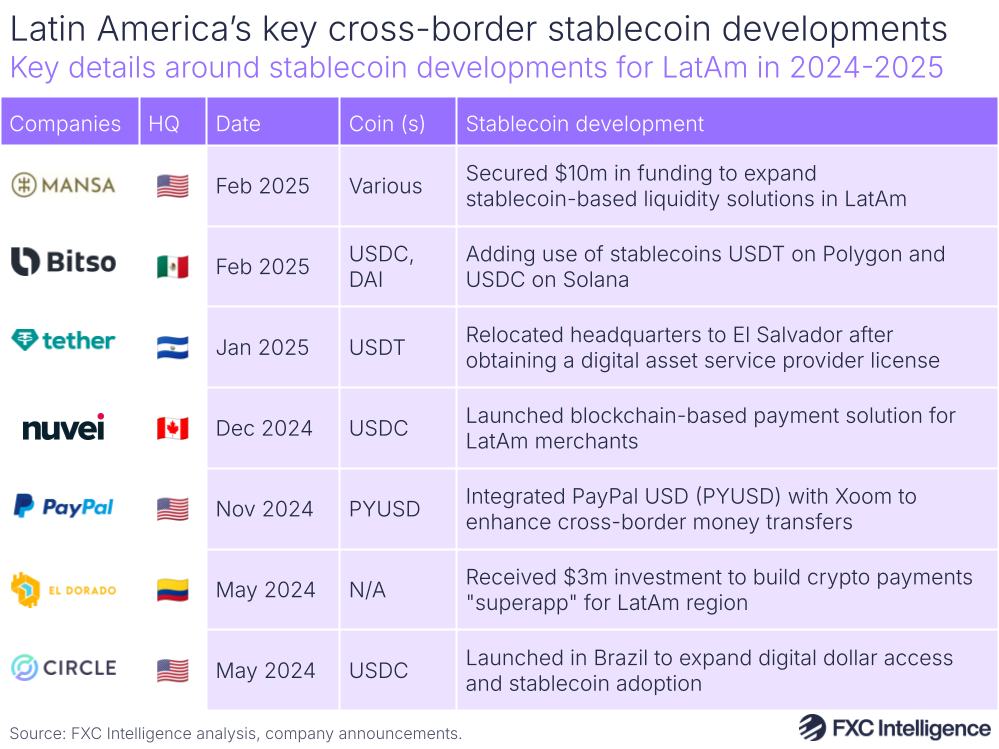
Why stablecoins cut remittance costs
Migrants sending money to Latin America face a tightening financial landscape. A new remittance tax taking effect in January 2026 will increase the cost of traditional wire transfers, pushing families to seek cheaper alternatives for their hard-earned dollars. This regulatory shift creates an urgent need for efficient cross-border payment methods that bypass the high fees of legacy banking rails.
Stablecoins offer a direct solution by pegging digital assets to the US dollar while leveraging blockchain technology for faster, cheaper transfers. According to a 2026 survey by Rain of 4,600 users across 15 countries, stablecoin transfers cost an average of 40% less than traditional remittance channels. This significant cost reduction allows migrants to keep more of their earnings for their families back home.
The economic advantage is clear: while traditional services like Western Union or bank wires charge substantial percentage fees and incur foreign exchange spreads, stablecoin networks charge minimal transaction fees regardless of transfer size. This makes them particularly valuable for smaller, frequent remittances that are common among working-class migrants. As regulatory scrutiny increases, choosing reputable, USD-pegged stablecoins ensures compliance while maximizing the value sent to Latin American families.
5 USD-Pegged Stablecoins for Latin America Transfers
Navigating Latin American remittance corridors requires selecting stablecoins that comply with strict regional regulatory frameworks and maintain robust USD pegs. This roundup identifies five specific assets vetted for legal clarity and transactional reliability, prioritizing official compliance data over speculative market performance.
1. USDC regulatory compliance status in LATAM
Circle’s USD Coin (USDC) distinguishes itself through rigorous adherence to US regulatory standards, offering Latin American institutions a compliant on-ramp for cross-border settlements. Its transparent reserve audits and integration with regulated fiat corridors mitigate legal exposure, making it a preferred choice for entities navigating complex LATAM financial frameworks where regulatory clarity is paramount for institutional adoption.
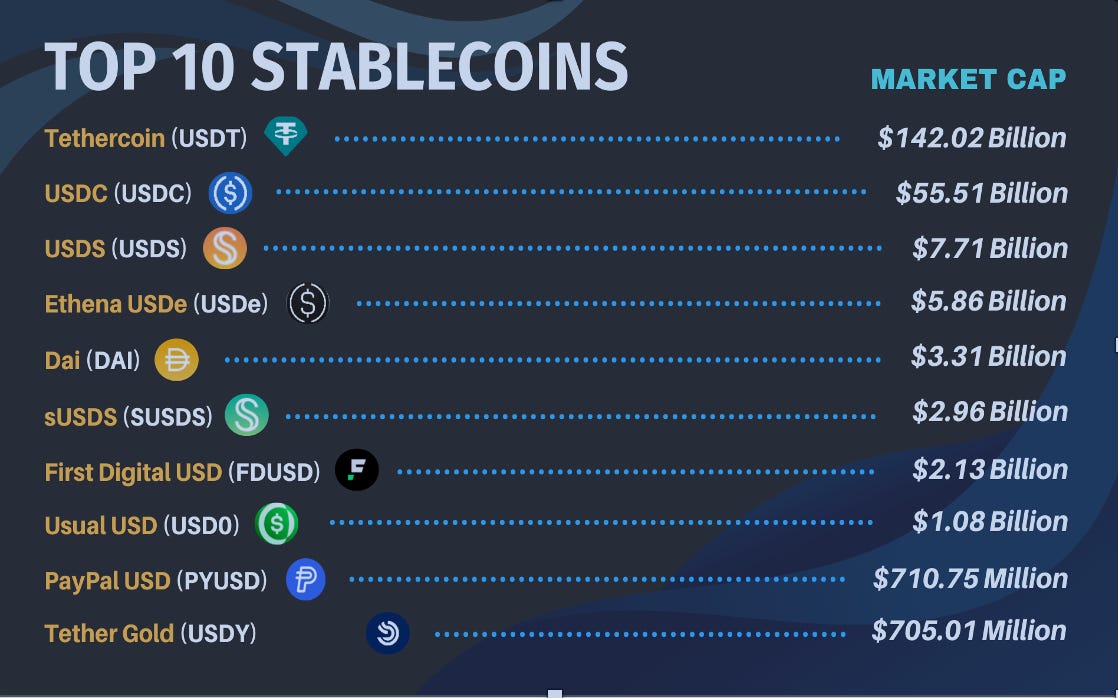
2. USDT liquidity and adoption rates in Latin America
Tether (USDT) remains the dominant liquidity provider across Latin American markets, facilitating high-volume peer-to-peer transactions despite regulatory scrutiny. Its unparalleled depth in local exchange pairs ensures minimal slippage for large transfers, making it the pragmatic, albeit controversial, standard for everyday remittances where speed and market depth outweigh strict regulatory preferences.

3. Paxos Standard (PAX) legal framework for remittances
Paxos Standard (PAX) operates under a New York Department of Financial Services charter, providing a legally robust structure for cross-border remittances into Latin America. Its strict compliance framework appeals to regulated financial institutions seeking to integrate stablecoin payments into existing fiat rails, ensuring that every transferred unit is fully backed and legally defensible in court.
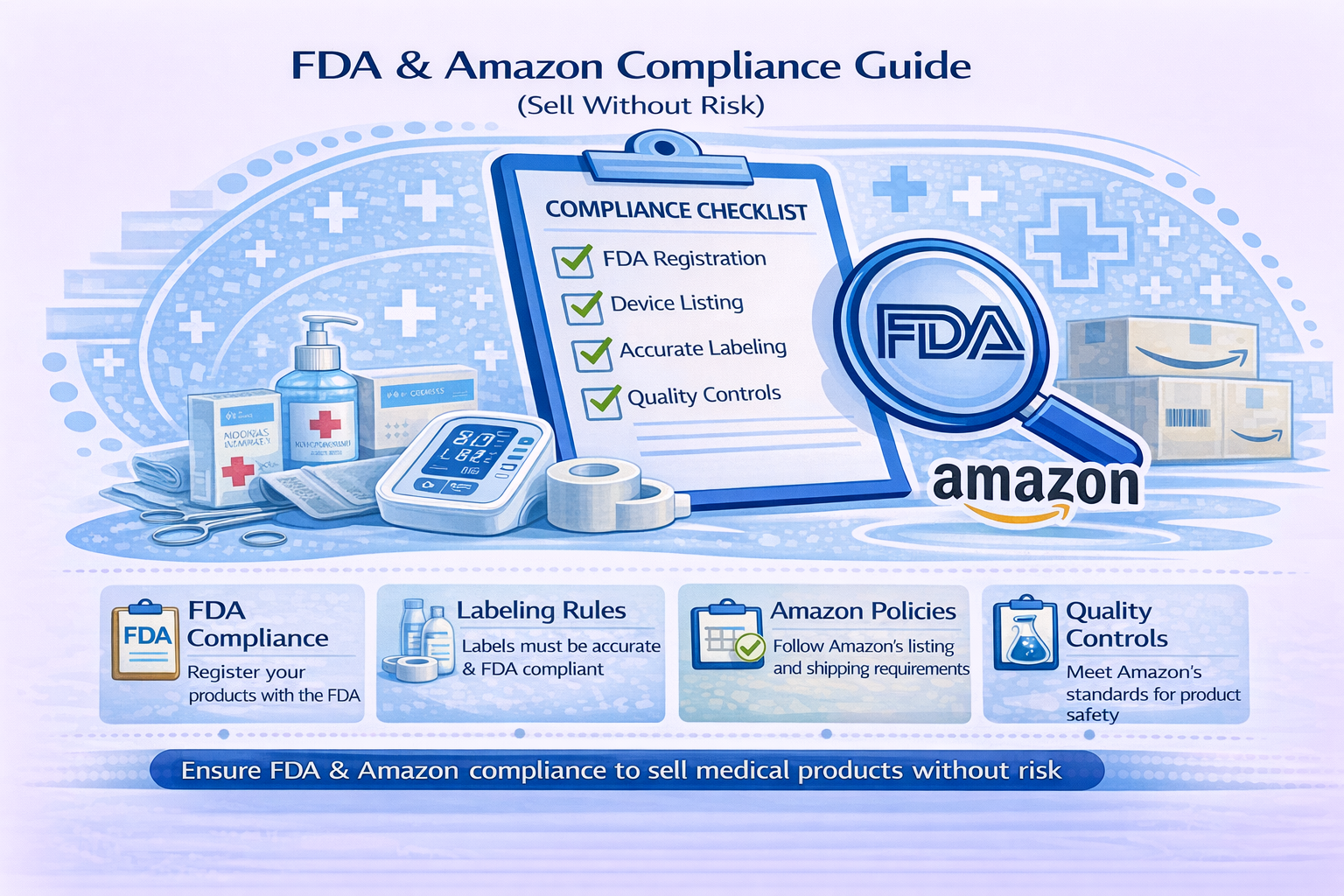
4. Binance USD (BUSD) availability and regulatory challenges
Binance USD (BUSD) faced significant regulatory headwinds, particularly following US regulatory actions, impacting its availability for new Latin American on-ramps. While existing balances remain functional, institutions must carefully assess the evolving legal landscape and potential migration requirements before integrating BUSD into long-term LATAM transfer strategies, prioritizing future-proof compliance.
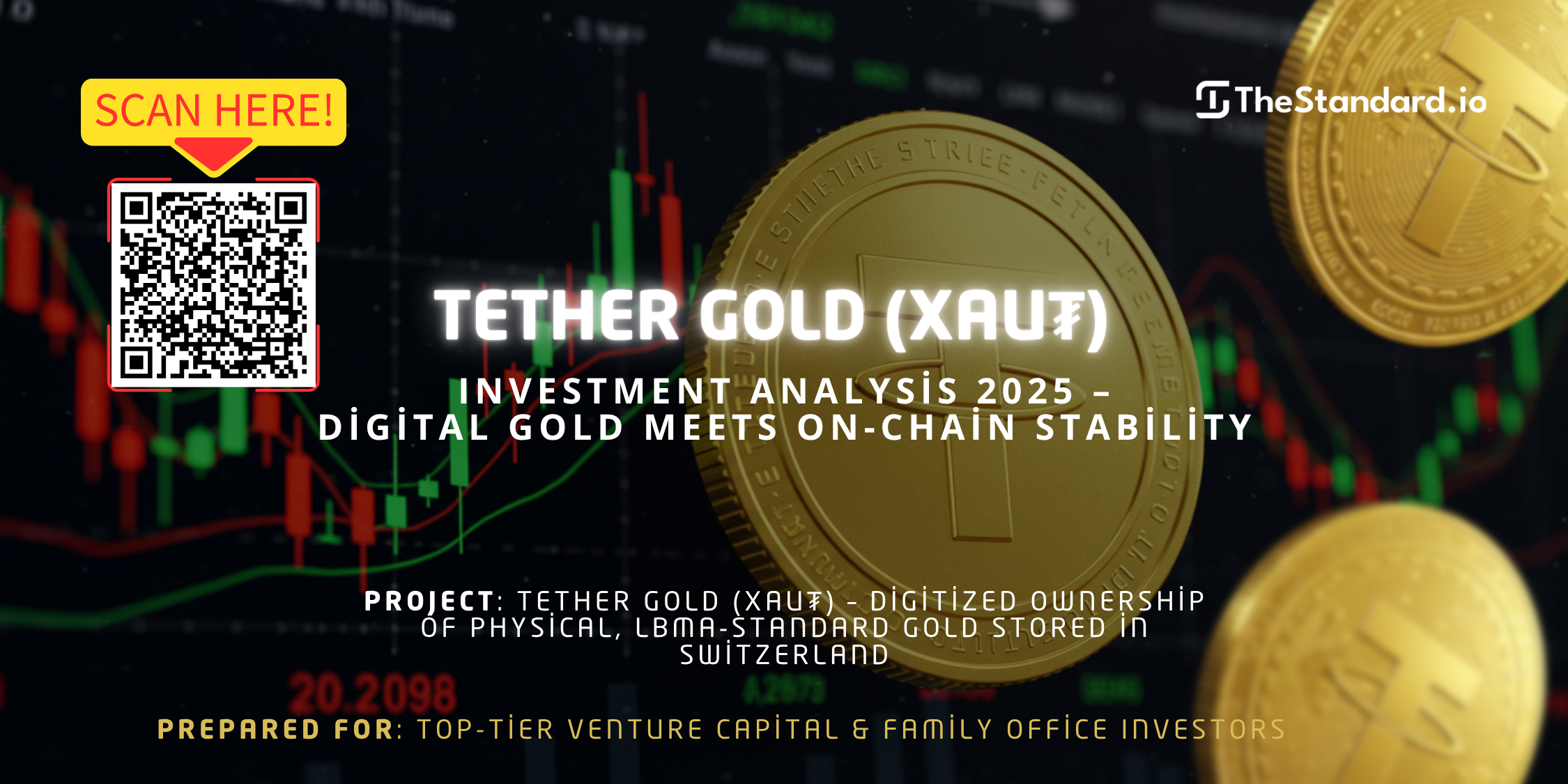
5. Tether Gold (XAUT) as a USD-pegged alternative
Tether Gold (XAUT) offers a unique hybrid approach, pegging value to gold while settling in USD terms, providing a hedge against fiat volatility for LATAM holders. This asset class appeals to investors seeking stability beyond traditional stablecoins, though its liquidity profile differs significantly from pure USD-pegged tokens, requiring careful consideration for high-frequency transfer needs.
USDC vs USDT for LATAM transfers
Choosing between USD Coin (USDC) and Tether (USDT) for Latin America transfers requires balancing regulatory safety against liquidity depth. While both assets maintain a 1:1 peg with the US dollar, their legal structures and network footprints differ significantly in the region.
USDC is generally viewed as the compliant choice for institutional and high-value transfers. Issued by Circle, it adheres to stricter US regulatory standards, including regular attestations of reserves. This transparency aligns with emerging compliance frameworks in Brazil and Mexico, where financial authorities are scrutinizing cross-border payout providers. For businesses or individuals prioritizing legal clarity and auditability, USDC offers a lower risk profile regarding regulatory scrutiny.
Tether (USDT) dominates in terms of liquidity and acceptance. It is widely supported by local exchanges and payment processors across Latin America, often facilitating faster on-ramping and off-ramping. However, USDT’s regulatory history has been more complex, with past disputes over reserve composition. While it has improved its transparency, users must weigh this against its superior network availability and lower friction in informal markets.
The following table compares key operational metrics for both assets in the LATAM context.
| Feature | USDC | USDT |
|---|---|---|
| Regulatory Status | High (US-regulated) | |
| Regulatory Status | Medium (Historical scrutiny) | |
| LATAM Network Support | Growing | Broad |
| Reserve Transparency | Quarterly Audits | Monthly Attestations |
| Typical Use Case | Retail/High-Volume | Institutional/Corporate |
For those seeking physical tools to manage crypto assets securely during transfers, consider the following hardware options.


As an Amazon Associate, we may earn from qualifying purchases.
Ultimately, the decision depends on your risk tolerance. If regulatory compliance is paramount, USDC is the safer bet. If liquidity and ease of exchange in local markets are the priority, USDT remains the dominant choice.
Navigating LATAM stablecoin regulations
Cross-border payouts in Latin America require strict adherence to local financial laws. Compliance is not optional; it is the foundation of legal operations. Without proper frameworks, businesses face immediate shutdowns and significant penalties. The regulatory landscape varies significantly across Brazil, Mexico, and Argentina, demanding tailored approaches for each jurisdiction.
Brazil: Central Bank Oversight
Brazil’s Central Bank (BCB) regulates virtual currencies under strict anti-money laundering (AML) protocols. Platforms must register as Virtual Asset Service Providers (VASPs) and implement robust Know Your Customer (KYC) checks. Transactions exceeding specific thresholds trigger mandatory reporting. Failure to comply results in heavy fines and operational bans.
Mexico: CNBV and ASBAF Guidelines
In Mexico, the National Banking and Securities Commission (CNBV) oversees crypto activities. While full regulation is evolving, financial institutions must follow ASBAF guidelines to prevent illicit flows. Stablecoin issuers partnering with Mexican banks must ensure their smart contracts meet security standards. Audits are increasingly becoming a standard requirement for market entry.
Argentina: BCRA and FX Controls
Argentina’s Central Bank (BCRA) enforces strict foreign exchange controls. Using stablecoins to bypass official FX rates is illegal and heavily monitored. Businesses must verify the source of funds for every transaction. Recent updates require enhanced due diligence for high-volume remitters to prevent capital flight. Legal counsel is essential to navigate these evolving rules.
Frequently asked questions about stablecoin remittances
What is a stablecoin remittance? Stablecoin remittance involves sending USD-pegged digital assets like USDC or USDT across borders, converting them to local currency upon arrival. This method bypasses traditional banking corridors, offering settlement in minutes rather than days. A 2026 survey of 4,600 users found these transfers cost an average of 40% less than traditional channels [src-1].
Who is the largest stablecoin issuer in the US? Tether (USDT) currently holds the largest market capitalization among USD-pegged stablecoins, followed closely by Circle (USDC). For Latin American remittances, USDC is often preferred by institutional partners due to its regulatory transparency and reserve audits. Both issuers maintain 1:1 backing with US dollar equivalents.
Will stablecoins replace the US dollar? No. Stablecoins are digital representations of the dollar, not replacements. They rely on the US Federal Reserve’s monetary policy and the stability of the USD itself. Their value is pegged to the dollar, meaning they serve as a more efficient transfer mechanism rather than an independent currency.
Which South American country has the most bitcoin? While Bitcoin adoption is high in countries like El Salvador, this question diverges from USD-pegged stablecoin utility. For remittances, countries with the highest inbound flows—such as Mexico, Colombia, and Brazil—are the primary beneficiaries of stablecoin efficiency. These nations see billions in annual inflows [src-3].
No comments yet. Be the first to share your thoughts!