
Why stablecoins lead LATAM remittances
Traditional banking corridors in Latin America often operate like slow-moving pipelines, where a transfer from the United States to Colombia or Mexico can take three to five business days to clear. During that window, fees eat into the money meant for families, and exchange rate spreads add hidden costs that accumulate quickly. Stablecoins like USDC and USDT have emerged as a faster, cheaper alternative for these specific corridors, moving value across borders in minutes rather than days.
The speed advantage is immediate. When you send USDT via networks like Tron or USDC via Solana or Ethereum (depending on gas costs), the transaction settles almost instantly. This speed matters in LATAM, where recipients often need funds for urgent expenses like medical bills or daily groceries. Unlike traditional wires that sit in intermediary banks, stablecoin transfers bypass the correspondent banking system entirely, reducing points of failure and delay.
Cost savings are equally significant. While traditional remittance providers might charge 5% to 10% in fees and spread, stablecoin networks typically charge a fraction of that amount, often just a few cents to a few dollars depending on the blockchain used. For a $200 transfer, this difference is substantial. OpenFX's 2026 report on stablecoins and cross-border payments highlights the massive volume shift, noting that stablecoin transaction volume has grown to $27.6 trillion, driven largely by its utility in payments where speed and low cost are critical.
This efficiency doesn't mean traditional options like Western Union or Intermex are disappearing, but they are losing ground in corridors where recipients have access to crypto wallets. For senders in the US or Europe, the ability to convert USD to USDC, send it, and have the recipient convert it to local currency (like MXN or COP) on a local exchange is often cheaper and faster than any traditional wire. The infrastructure is now in place to make this a daily reality for millions of LATAM families.
Top crypto remittance platforms for 2026
The Latin American remittance market has shifted toward platforms that prioritize speed and low fees over speculative crypto gains. For families relying on these transfers, the primary concern is not market volatility but the reliability of the on-ramp and off-ramp. USDC and USDT have become the standard vehicles for these transactions, offering a stable bridge between the US dollar and local currencies like the Mexican peso, Colombian peso, and Brazilian real.
When selecting a platform, look for those with established partnerships with local banks and cash pickup networks. The best apps in 2026 do not require you to hold crypto; they handle the conversion instantly. This means you can send USDC from a US bank account and have it arrive as local fiat in a recipient's wallet or bank account within minutes, bypassing the slow and expensive traditional wire transfer systems.
The following platforms stand out for their integration with Latin American financial infrastructure. They offer varying degrees of customization, from full self-custody for tech-savvy users to simplified interfaces for those who just want to send money quickly.
Strike
Strike has emerged as a leading choice for US-to-LatAm transfers by leveraging the Bitcoin Lightning Network. While it primarily uses Bitcoin, its integration with stablecoin rails allows for near-instant settlements with minimal fees. Strike is particularly popular in countries with high inflation, such as Argentina and Venezuela, where users can convert incoming funds directly into local currency or hold them as a hedge against devaluation. The app’s interface is designed for simplicity, making it accessible to users who may not be familiar with cryptocurrency concepts.
MoneyGram
MoneyGram has integrated USDC directly into its global network, allowing users to send stablecoins that are instantly converted to cash at over 500,000 agent locations worldwide. This hybrid model bridges the gap between digital and traditional finance, offering the speed of crypto with the familiarity of cash pickup. For Latin American recipients who prefer not to use digital wallets, MoneyGram’s extensive physical network provides a reliable fallback. The platform’s regulatory compliance is robust, ensuring that transfers adhere to local anti-money laundering (AML) standards.
Ripple (Ripple Payments)
Ripple’s enterprise-focused solution powers many of the cross-border payments used by Latin American banks and financial institutions. While not a consumer-facing app in the same way as Strike or Coinbase, Ripple’s technology underpins several remittance services that users interact with daily. By using the XRP ledger for liquidity, Ripple reduces the need for pre-funded nostro accounts, significantly lowering costs for providers. This infrastructure improvement often translates to better rates and faster speeds for the end user, even if they are not directly using the Ripple brand.
Coinbase
Coinbase has expanded its remittance capabilities through Coinbase Pay, allowing users to send USDC directly to other Coinbase users or convert it to local fiat via partner networks. As one of the most regulated crypto exchanges, Coinbase offers a layer of trust for users who are cautious about smaller, newer platforms. The platform supports multiple stablecoins, including USDC and USDT, and provides clear transaction histories that can be useful for tax reporting and financial tracking.
BitPay
BitPay offers a straightforward platform for sending and receiving stablecoins, with a strong focus on business-to-consumer and consumer-to-consumer transfers. Its integration with various Latin American payment processors allows users to cash out directly to bank accounts or mobile wallets. BitPay’s emphasis on compliance and security makes it a reliable option for larger transfers, where the stability of the platform is as important as the speed of the transaction.
| Platform | Primary Asset | Speed | Best For |
|---|---|---|---|
| Strike | BTC/USDC | Instant (Lightning) | Low-fee, high-speed transfers |
| MoneyGram | USDC | Minutes | Cash pickup recipients |
| Ripple | XRP | Seconds | Bank-integrated transfers |
| Coinbase | USDC | Minutes | Regulated, trusted access |
| BitPay | USDC | Minutes | Business and consumer payouts |


As an Amazon Associate, we may earn from qualifying purchases.
How to send money to Mexico using USDT
The US-Mexico corridor is the highest-volume remittance route in Latin America, and USDT (Tether) has become a primary vehicle for these transfers due to its ubiquity on exchanges and liquidity on peer-to-peer (P2P) markets. Unlike traditional wire transfers that rely on correspondent banking networks, USDT moves on the blockchain, offering speed and transparency. However, the final step—converting digital dollars into Mexican pesos (MXN) received by the recipient—requires a structured workflow.
This guide outlines the standard process for sending USDT to Mexico using established platforms like Strike, which integrates Lightning Network efficiency, or direct P2P exchanges. We focus on concrete actions rather than abstract concepts, ensuring you understand the exact steps from funding to delivery.
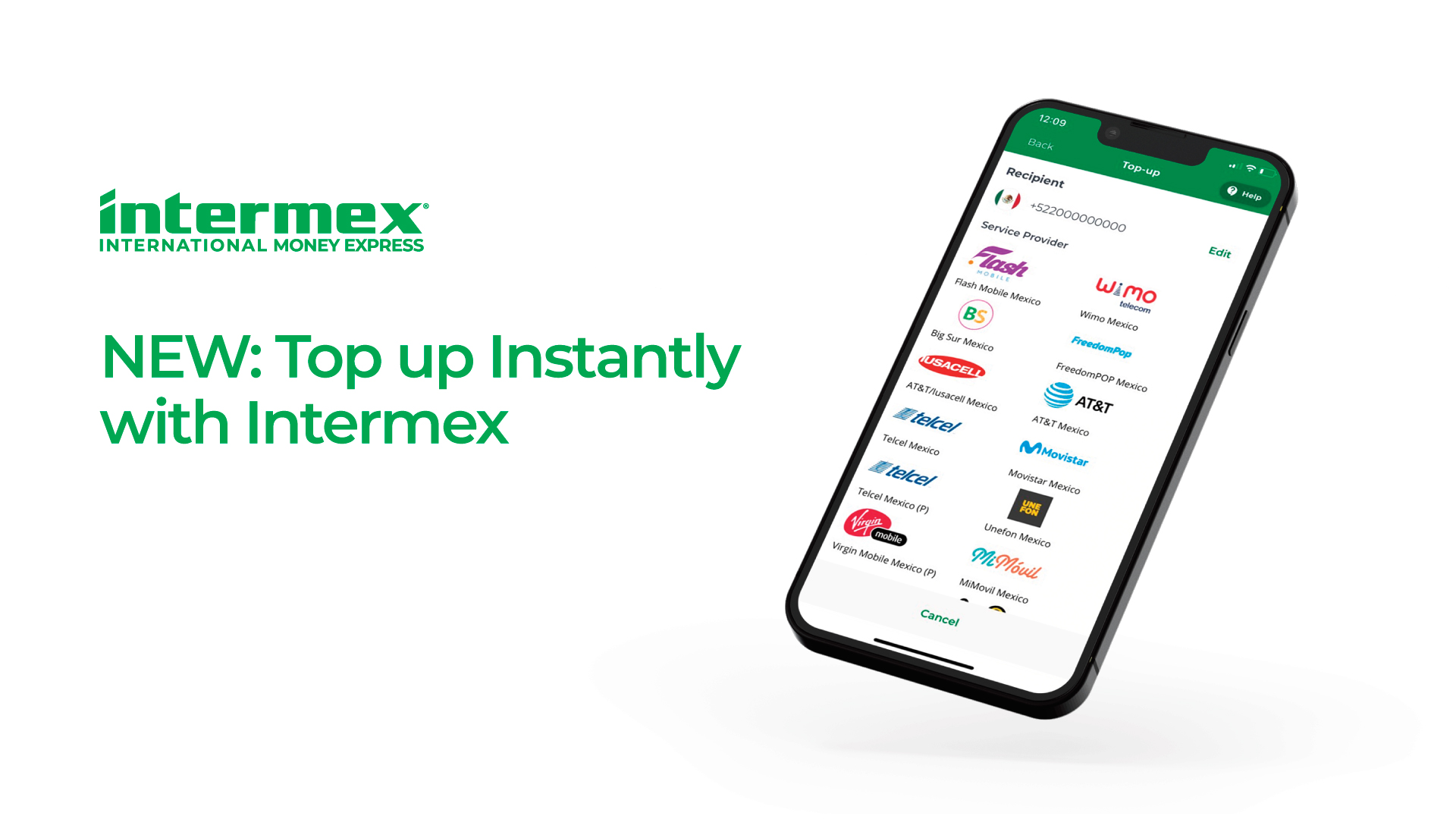
Start by selecting a regulated platform that supports USDT withdrawals and MXN deposits. Strike is a leading option for this corridor because it leverages the Bitcoin Lightning Network for near-instant settlement, though it primarily uses USDC. For pure USDT workflows, consider reputable P2P platforms like Binance P2P or localized services like Bitso, which operate legally in Mexico. Ensure the platform you choose is registered with relevant financial authorities to mitigate counterparty risk.
Fund your account with US dollars via bank transfer (ACH) or debit card. Once your fiat balance is cleared, buy USDT. If you are using a dedicated remittance app like Strike, you may buy USDC directly, which is often preferred for its regulatory clarity in the US. If using a general exchange, ensure you are buying USDT on a network supported by both the sender and receiver, typically TRC-20 (Tron) for low fees or ERC-20 (Ethereum) for higher security, though TRC-20 is standard for remittances due to cost efficiency.
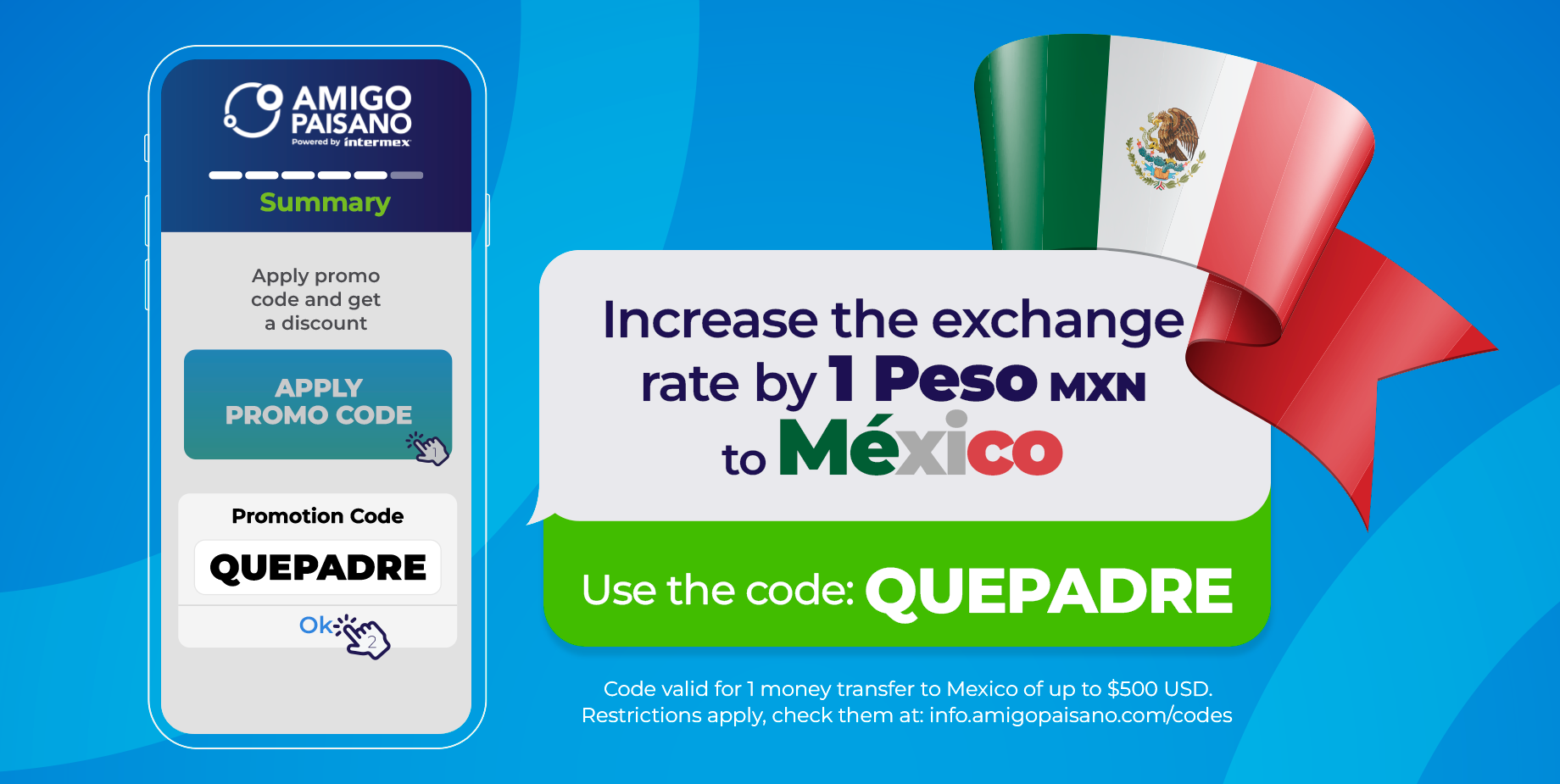
Enter the recipient's wallet address if sending directly to their crypto wallet. Verify the network carefully; sending USDT on the wrong network can result in permanent loss. If using a P2P model, create an order to sell USDT for MXN. The recipient (or their designated agent) will hold the escrow or confirm receipt. For app-based remittances like Strike, simply enter the recipient's mobile number or email if the app supports direct fiat payout to their bank account or cash pickup location.

Once the USDT arrives, the recipient must convert it to Mexican pesos. If using a P2P platform, they release the crypto to the buyer after confirming MXN receipt in their bank account. If using a direct remittance app, the platform handles the conversion and deposits MXN directly into the recipient's bank account or available cash pickup network. This final step is where the "crypto" aspect ends and traditional banking begins, ensuring the funds are usable in the local economy.
This workflow minimizes friction by leveraging the stability of USDT while utilizing established rails for the final fiat settlement. Always verify the current network fees and exchange rates at the time of transfer, as these can fluctuate based on market liquidity and network congestion.
Regulatory shifts affecting crypto remittance
The landscape for moving money across borders is tightening in 2026. Two major regulatory developments are reshaping how stablecoin remittance apps operate: the implementation of the Crypto Travel Rule and a new 1% remittance tax in the United States. These changes directly impact the cost and compliance burden for providers like Binance Pay and Bybit Pay.
The Travel Rule, originally designed for traditional banking, now applies to virtual asset service providers. This means that any transaction exceeding a certain threshold must include sender and recipient information. For users of USDC and USDT, this adds a layer of verification but also increases the risk of transaction delays if compliance checks fail. Firms are scrambling to adapt their infrastructure to meet these standards without compromising the speed that makes crypto remittances attractive.
Simultaneously, the US is introducing a 1% tax on remittance services starting in January 2026. This levy is expected to drive providers to adopt lower-cost blockchain rails to maintain competitive margins. While this might seem like a headwind for users, it could ultimately push platforms to optimize their fee structures, potentially benefiting those who switch to more efficient stablecoin networks.
For those using USDT or USDC, staying informed about these regulatory shifts is essential. Compliance is no longer optional for major players, and the apps you choose must demonstrate robust adherence to these new rules to ensure your funds move securely and legally.
Secure your remittance funds safely
Sending money to Latin America involves moving real value across borders, so treating your digital wallet like a physical bank account is the first rule of security. When you use stablecoins like USDC or USDT, you are the bank. This means you hold the keys to your own assets, which offers freedom but also places the burden of protection squarely on your shoulders.
Start by choosing a reputable wallet provider that supports multi-signature verification or biometric authentication. For smaller, daily transfers, a hot wallet connected to your phone is convenient, but for larger remittances, consider using a hardware wallet to store your private keys offline. This separation ensures that even if your device is compromised, your funds remain safe. Always double-check the recipient's wallet address character by character; blockchain transactions are irreversible, and there is no customer service hotline to reverse a mistake.
Verify the network you are using before sending. Sending USDC on the wrong chain (for example, sending ERC-20 tokens to a TRC-20 address) can result in permanent loss. Most modern remittance apps will warn you if the networks don't match, but never ignore these alerts. Stick to well-known, regulated platforms that have clear security protocols and transparent fee structures. By prioritizing verification and self-custody best practices, you ensure that your hard-earned money arrives safely and intact.
Frequently asked questions about crypto remittance
Are stablecoins legal in Latin America?
Legality varies by country, but USDC and USDT are widely used in Mexico, Colombia, and Argentina. In Mexico, the Bank of Mexico (Banxico) has published reports on stablecoin usage, noting that while they are not legal tender, their use for transfers is common. Always check your local central bank’s current stance, as regulations in LATAM can shift quickly.
Do USDC and USDT stay at $1?
Yes, both USDC and USDT are designed to maintain a 1:1 peg with the US dollar. They are backed by reserves (cash and short-term government bonds) held by issuers like Circle and Tether. While rare de-pegs have occurred in broader crypto markets, stablecoins remain the most reliable crypto asset for remittances because their value does not fluctuate like Bitcoin.
How much do remittance apps charge?
Fees depend on the app and the payment method. Apps like Binance Pay or Revolut often charge less than 1% for USDC/USDT transfers, while traditional services like Western Union may charge 5–10%. The key advantage of stablecoins is the ability to bypass high intermediary bank fees, especially for cross-border LATAM transfers.
No comments yet. Be the first to share your thoughts!