
Why stablecoins fit LATAM remittance
Remittances remain a financial lifeline for Latin America, with inflows reaching $142 billion in 2025 according to PayRetailers. Yet for families in Colombia, Peru, and Argentina, the cost of sending money home often eats away at the very support it provides. Traditional money transfer operators charge high fees and offer poor exchange rates, creating a gap that digital assets are now filling.
Stablecoins like USDT and USDC have emerged as the preferred tool for this corridor because they bypass the slow, expensive banking rails. Instead of waiting days for wire transfers to clear, users can send value across borders in minutes for a fraction of the cost. This speed and efficiency are particularly valuable in countries with volatile local currencies, where preserving purchasing power is just as important as the transfer itself.
The shift is not just about cost savings; it is about accessibility. As BBVA Research notes, remittance growth in Colombia and Peru is projected to continue through 2026, driven by a need for more reliable and transparent financial channels. Stablecoins offer a way to keep money moving without the friction of traditional intermediaries, making them a practical solution for the modern LATAM remittance landscape.
USDC vs USDT for LATAM remittance 2026
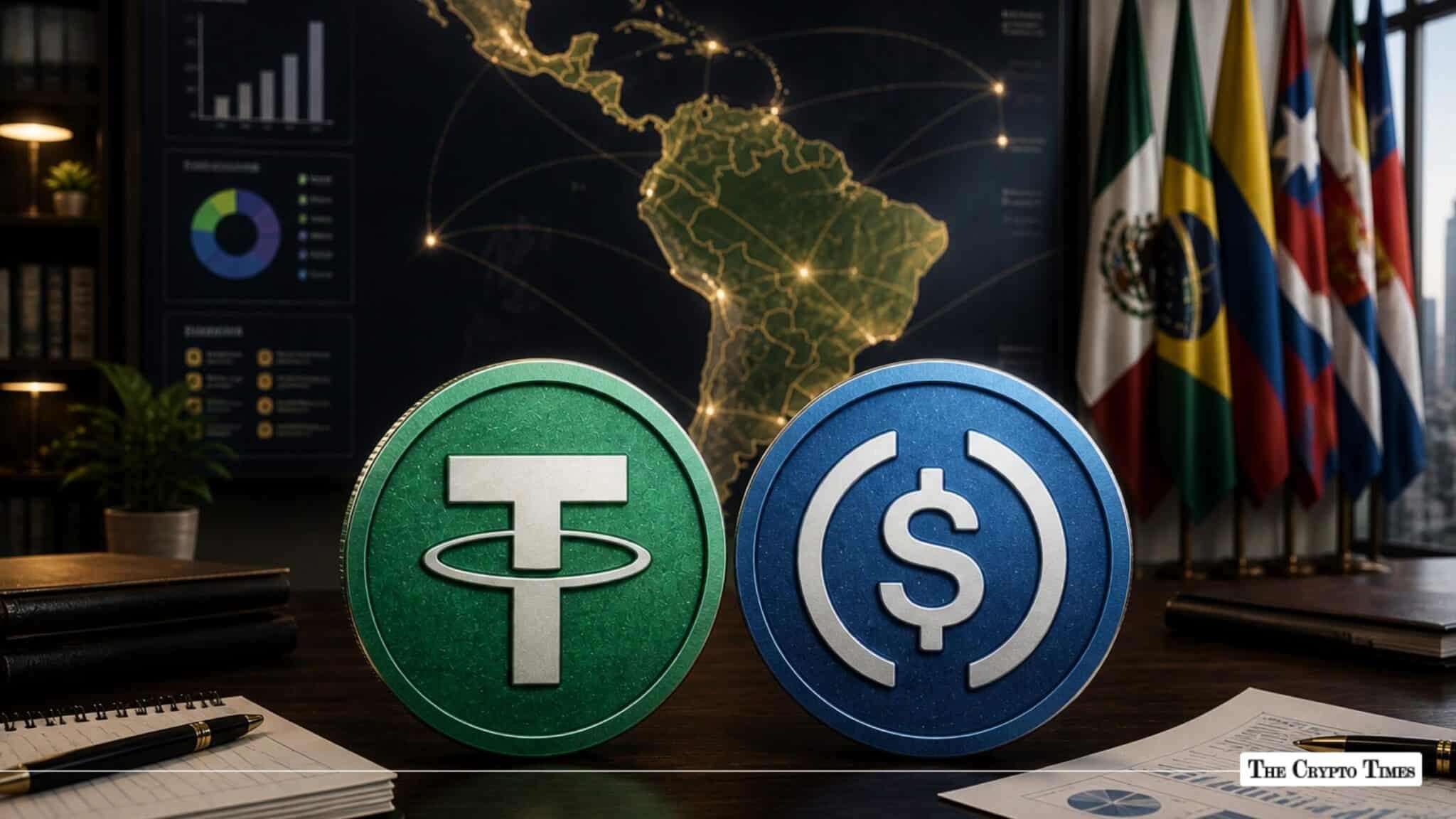
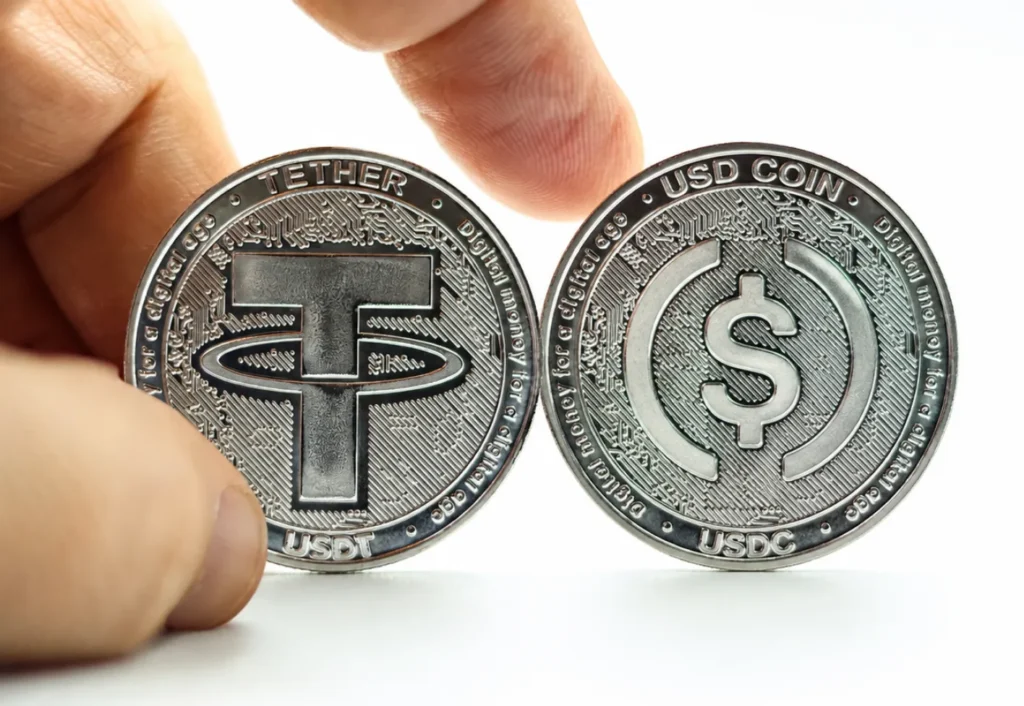
Choosing between USDC and USDT is the primary decision for anyone moving money across borders in Latin America. Both tokens are pegged to the US dollar and operate on multiple blockchains, but they serve different priorities. USDC is built for regulatory clarity and institutional trust, while USDT leads in raw liquidity and on-the-ground adoption in emerging markets.
For compliance-focused users, USDC is the safer anchor. Circle, the issuer of USDC, publishes monthly attestation reports and operates under strict US regulatory oversight. This transparency reduces counterparty risk, making USDC the preferred choice for businesses and high-value transfers where audit trails matter. In corridors like Colombia and Peru, where financial institutions are increasingly integrating crypto rails, USDC’s clean balance sheet offers peace of mind.
USDT, issued by Tether, dominates in terms of sheer volume and network availability. It is widely supported by local exchange platforms and peer-to-peer networks across Argentina, Brazil, and Mexico. If your goal is to move funds quickly through informal channels or to wallets that may not support newer compliant assets, USDT’s ubiquity makes it the practical default. The trade-off is less transparent reserve reporting, which some users find uncomfortable for long-term holding.
| Feature | USDC | USDT |
|---|---|---|
| Issuer | Circle (US-based) | Tether (Offshore) |
| Regulatory Status | Highly regulated, audited | Less transparent, evolving |
| LATAM Adoption | Growing in formal corridors | Dominant in P2P & informal |
| Network Support | Ethereum, Solana, Polygon | Ethereum, Tron, BSC, others |
| Best For | Compliance & institutional use | Speed & widespread liquidity |
The right choice depends on your specific corridor and risk tolerance. For formal remittance services operating in regulated environments, USDC’s compliance framework is indispensable. For individuals sending money to family members via local exchanges or peer-to-peer networks, USDT’s broader acceptance often means faster settlement and lower friction.
| Feature | USDC | USDT |
|---|---|---|
| Regulatory Clarity | Moderate | High |
| LATAM P2P Support | Moderate | High |
| Reserve Transparency | Monthly Attestations | Quarterly Reports |
| Primary Networks | ETH, SOL, POL | ETH, TRX, BSC |
Both stablecoins remain essential tools for LATAM remittance 2026 strategies. Understanding their distinct strengths allows you to match the asset to the specific needs of your transfer, whether that is regulatory safety or maximum reach.
Secure storage for LATAM remittance 2026
Sending stablecoins across borders is only half the equation; keeping them safe is the other. For recipients in Colombia, Peru, and Argentina, a hardware wallet is the best way to protect USDT and USDC from exchange hacks, phishing, and account freezes. Unlike online wallets, these devices keep your private keys offline, ensuring that only you can authorize transfers.
The hardware wallets listed below are verified to support the specific stablecoin networks most common in LATAM remittances: TRC-20 (Tron), SPL (Solana), and ERC-20 (Ethereum). This compatibility is critical because many remittance corridors rely on Tron for its low fees and speed, while Ethereum remains standard for larger transfers.


As an Amazon Associate, we may earn from qualifying purchases.
When choosing a device, prioritize native support for Tron and Solana. Older or more basic models may only support Ethereum, forcing you to use wrapped tokens or bridges that add complexity and risk. The Ledger Nano S Plus and Trezor Model T are widely regarded as the most robust options for LATAM users because they handle multiple chains without requiring third-party software that could compromise security.
Always purchase directly from the manufacturer or an authorized reseller. The hardware wallet market is plagued by counterfeit devices that may have been tampered with before reaching the customer. Verify the security seal and never enter your recovery phrase into a website or app. Your recovery phrase is the only way to restore your funds; if you lose it, your stablecoins are gone forever.
How to send crypto to family in LATAM
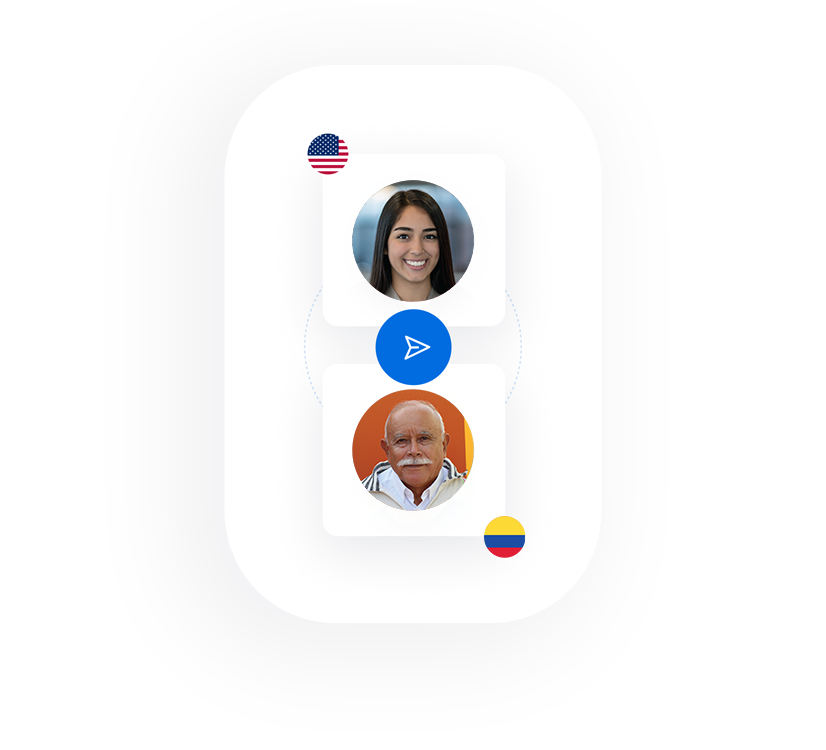
Sending stablecoins to family in Colombia, Peru, or Argentina requires navigating a mix of digital exchanges and local cash networks. The process is straightforward but demands attention to network fees and local payout methods to ensure your family receives the full amount in COP, PEN, or ARS.
Start by purchasing USDT or USDC on a major exchange like Coinbase or Kraken. These platforms offer high liquidity and regulatory compliance, which is essential for converting USD or EUR into stablecoins securely. Ensure your account is fully verified to avoid withdrawal limits that could delay remittances.
Network choice directly impacts how much your family receives. Avoid Ethereum (ERC-20) for small transfers due to high gas fees. Instead, use Solana (SOL), Tron (TRC-20), or Polygon (MATIC). These networks process transactions in seconds for fractions of a cent, ensuring more of your money reaches the recipient in LATAM remittance 2026 corridors.
Your recipient likely needs local currency. Platforms like Binance P2P or Bybit allow users to sell stablecoins directly to local buyers who pay via bank transfer, Nequi, or Daviplata. This method bypasses traditional banking delays and often offers better exchange rates than formal money transfer operators.
Before sending, confirm your family member’s preferred payout method. In Colombia, Nequi and Daviplata are dominant. In Peru, Yape and Plin are widely used. In Argentina, local bank transfers or crypto-friendly exchanges like Buenbit are common. Clear communication prevents failed transactions and ensures the funds are accessible immediately.
For those managing significant crypto assets, securing your holdings before transfer is critical. A hardware wallet like the Ledger Nano X provides offline storage, protecting your funds from exchange hacks or phishing attempts. This is particularly important when dealing with larger remittance amounts.


As an Amazon Associate, we may earn from qualifying purchases.
By following these steps, you can leverage the speed and low cost of stablecoins to support family across Latin America, avoiding the high fees and slow processing times of traditional remittance services.
Fees and speed compared to traditional rails
Traditional money transfer operators (MTOs) like Western Union and MoneyGram remain the dominant rails for LATAM remittance 2026, but their cost structure is increasingly difficult to justify. According to Visa’s 2026 economic trends for Latin America, digital innovation is driving cross-border transfers faster and cheaper, yet legacy MTOs still charge an average of 5.7% in fees for amounts under $200. When you factor in the spread on unfavorable exchange rates, the total cost often exceeds 7-10%, effectively eating away at the support sent to families in Colombia, Peru, or Argentina.
Stablecoins operate on a different economic model. Whether sending USDC or USDT, the transaction fee is typically a flat network gas cost, which rarely exceeds $1-2 even during peak congestion. More importantly, settlement is near-instant. While a bank wire or MTO payout can take 1-3 business days to clear in local LATAM banks, stablecoin transfers settle in minutes. This speed and cost advantage is why remittance inflows to Latin America—totaling $142 billion in 2025—are seeing a massive shift toward digital alternatives.
For the recipient, the difference is tangible. A $100 transfer via Western Union might arrive with only $92 after fees and poor exchange rates. The same $100 sent as stablecoins arrives as $99+, ready to be held or swapped for local currency at market rates. As payment trends reshape LATAM commerce, the gap between legacy rails and crypto-native solutions is no longer just theoretical—it’s a daily financial reality for millions.
Common questions about LATAM crypto remittance
Is crypto remittance legal in Latin America?
Yes, sending stablecoins like USDT or USDC is legal in most LATAM countries, including Colombia, Peru, and Argentina. However, regulations vary significantly by jurisdiction. For example, Argentina’s Central Bank has specific rules regarding foreign exchange and crypto holdings. Always check your local financial authority’s guidelines before moving funds.
Which blockchain network should I use for transfers?
Choose a low-fee network to maximize the amount received. Tron (TRC-20) and Polygon are popular for USDT due to their speed and low costs (often under $1). Ethereum (ERC-20) is generally too expensive for small remittances. For USDC, Solana or Stellar are also excellent choices for cross-border speed and minimal fees.
Do I need to pay taxes on received remittances?
Receiving money from abroad is often subject to taxation or declaration requirements, regardless of the method. In 2024, an estimated $161 billion was sent back to Latin America by migrants. In countries like Mexico and Brazil, large inbound transfers may trigger tax reporting obligations. Consult a local tax professional to understand your specific liabilities.
What if the recipient doesn’t have a crypto wallet?
Many LATAM users prefer receiving funds in local currency. You can use services that convert stablecoins to cash instantly. Recipients can withdraw to local bank accounts or even cash pickup locations in countries like Peru and Colombia. This bridges the gap between crypto efficiency and traditional banking access.
No comments yet. Be the first to share your thoughts!