
How we picked the best remittance services
Choosing the right way to send money to Mexico in 2026 comes down to three factors: total cost, speed, and reliability. We evaluated services based on the total cost of transfer, which includes both upfront fees and the exchange rate margin applied to your money. A service with zero fees might still cost you more if the exchange rate is poor, so we look at the full picture.
Speed matters when family members are waiting for support, but reliability is non-negotiable. We verified that each recommended service is regulated and has a track record of successful transfers. We avoided abstract categories and focused on concrete products that consistently perform well for US-to-Mexico remittances.
Best overall for low fees and speed
Wise stands out as the best overall service for US-to-Mexico transfers when you prioritize transparency and speed. Unlike traditional banks that often hide costs behind poor exchange rates and high wire fees, Wise offers the real mid-market exchange rate—the one you see on Google or XE. This means you get more pesos for your dollars without unexpected deductions at the final step.
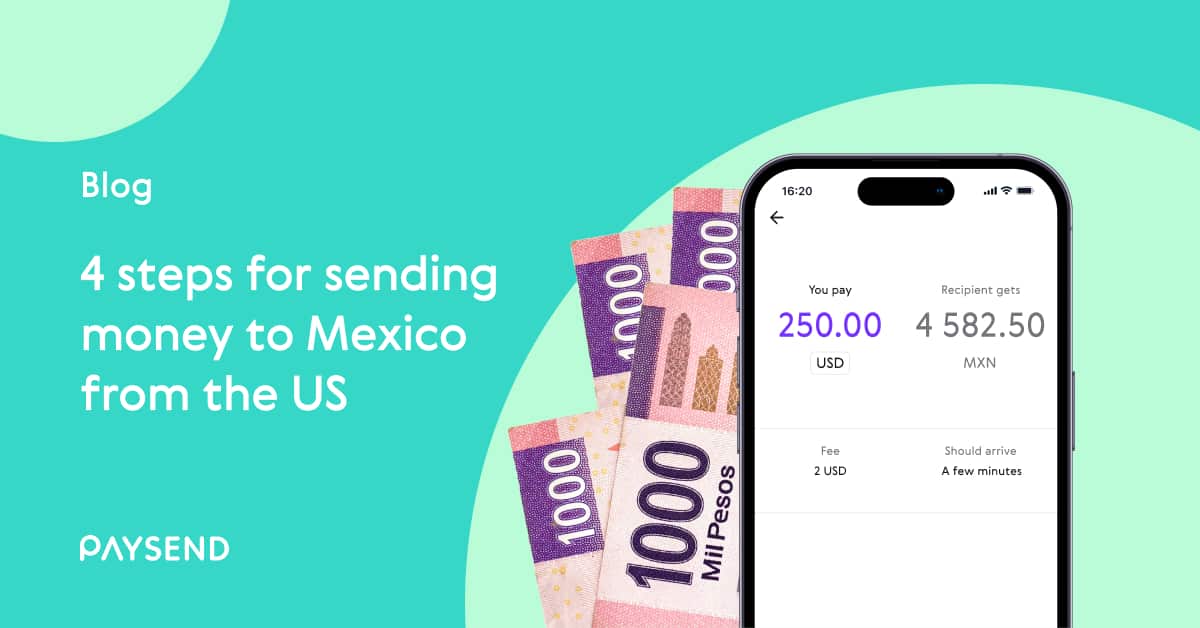
The platform is designed for simplicity. You enter the amount in USD, select your recipient in Mexico, and the system shows you exactly how much they will receive in MXN before you confirm. Most transfers arrive in the recipient’s bank account within minutes, though standard bank transfers can take up to two business days depending on the receiving institution. This speed is particularly valuable for urgent family support or time-sensitive payments.
While Wise is a fintech leader, it is not the only option. For users who prefer a more traditional banking relationship or need to send larger sums regularly, comparing Wise against services like Paysend or Western Union can help identify the best fit for specific volume or frequency needs. However, for most individual senders, Wise’s clear fee structure and rapid delivery make it the top recommendation.


As an Amazon Associate, we may earn from qualifying purchases.
Services with the widest cash pickup networks
For recipients who do not use digital banking or mobile wallets, the physical footprint of a remittance provider is the most important feature. Western Union and MoneyGram dominate this space, offering the broadest network of agent locations across Mexico. These services allow senders to transfer funds online and have recipients pick up cash at local pharmacies, grocery stores, or dedicated agency offices.
Western Union operates one of the largest agent networks globally, with thousands of pickup points in Mexico including major chains like OXXO and Farmacias Guadalajara. MoneyGram follows closely, partnering with similar retail outlets to ensure coverage in both urban centers and rural towns. This physical presence is critical for families who rely on cash for daily expenses and may not have access to bank accounts.
While digital-only services often offer lower fees, they require the recipient to have a smartphone and a compatible bank account or wallet. For those without digital access, the convenience of walking into a nearby store to collect cash outweighs the slightly higher costs. Always verify the specific pickup locations available in the recipient's area before choosing a provider.
Best for bank deposits and SPEI
When your recipients in Mexico prefer their money landing directly in a bank account, you need a service that integrates with the SPEI (Sistema de Pagos Electrónicos Interbancarios). This is Mexico’s real-time interbank payment network, similar to the US Fedwire system. Using SPEI ensures the funds bypass cash-handling networks and go straight into the recipient’s checking or savings account, which is often safer and more convenient for larger transfers.
Wise and BOSS Revolution are two top contenders for this specific need. Wise is known for its transparent fee structure and real exchange rates, making it a strong choice for frequent senders who want to avoid hidden markups. BOSS Revolution often offers competitive flat fees for bank deposits, particularly when sending to specific digital wallets or bank partners.
The table below compares the typical costs and speeds for sending money to Mexico via bank deposit. Note that exact fees can vary based on your payment method (bank account vs. debit card) and the specific recipient bank.
For most users, Wise offers the best balance of speed and cost transparency for SPEI transfers. However, if you are sending smaller amounts frequently, checking BOSS Revolution’s current flat-rate promotions may yield lower total costs. Always verify the final amount the recipient will get, as some services deduct fees from the transfer amount rather than charging you separately.
How exchange rate margins affect your remittance
When you send money to Mexico, the headline fee is only half the story. The real cost often hides in the exchange rate margin—the difference between the mid-market rate and the rate the provider actually gives you. Think of the mid-market rate as the wholesale price of currency, the same rate you see on Google or XE. Providers mark this up by a percentage, typically between 1% and 4%, before converting your dollars to pesos.
This margin acts like a silent tax on every transfer. If you send $500, a 3% margin costs you $15 in lost value, regardless of whether the app advertises "zero fees." Some services bundle this cost into a seemingly low transfer fee, while others advertise zero fees but offer a less favorable rate. The key is to compare the total amount of pesos the recipient actually receives, not just the upfront cost to you.
To see the current impact, here is the live mid-market USD/MXN rate: For accurate comparisons, look for providers that disclose their exchange rate markup clearly. Services like Wise or Revolut often show the exact mid-market rate with a transparent fee breakdown, while traditional banks may offer competitive rates but charge high wire fees. Always calculate the total cost: transfer fee + exchange rate margin. This ensures you are getting the most value for your hard-earned dollars.
Frequently asked questions about sending money to Mexico
What are the transfer limits for sending money to Mexico? Most major providers like Western Union and Xoom allow you to send between $1,000 and $10,000 per transaction, depending on your verification level. If you need to send larger amounts, you may need to split the transfer or contact customer support to increase your daily limit. Always check the specific daily or monthly caps on your chosen platform before initiating the transfer.
Do I have to pay taxes on money sent to Mexico? In most cases, no. The US does not tax money you send to family or friends abroad. However, if you are sending more than $10,000 in a single transaction or related transactions within one day, the Financial Crimes Enforcement Network (FinCEN) requires the provider to file a Currency Transaction Report. This is a regulatory form, not a tax, and you do not pay any additional fees for it.
Is it safe to send money online to Mexico? Yes, provided you use regulated providers. Services like Xoom (owned by PayPal) and Western Union are licensed money transmitters subject to strict US federal and state regulations. They use encryption and fraud monitoring to protect your funds. Avoid peer-to-peer apps that are not licensed for international money transmission, as they may not offer the same legal protections or recourse if something goes wrong.
How long does it take for money to arrive in Mexico? Speed depends on the delivery method. Bank deposits typically take 1-3 business days, while cash pickup options at agents like OXXO or banks can be available in minutes. Some services offer "instant" transfers to debit cards, but these may come with higher fees. If you are in a hurry, always select the cash pickup or instant debit option and confirm the processing time before confirming the payment.
No comments yet. Be the first to share your thoughts!