
New 2026 remittance tax rules
Beginning January 1, 2026, the United States implements a 1% federal excise tax on international remittance transfers. This rule applies specifically to transactions where the sender provides cash, a money order, a cashier's check, or similar physical instruments to the transfer provider. The IRS and Treasury have released proposed regulations to enforce this tax, which targets traditional, cash-based payment methods rather than digital banking flows.
The distinction between payment methods is critical for anyone sending money to Latin America. Because the tax is levied at the point of transfer based on the funding source, shifting from cash to digital channels effectively bypasses this new fee. Electronic bank transfers, debit card payments, and cryptocurrency transfers do not trigger the excise tax, allowing senders to keep the full amount intended for their recipients.
For families relying on remittances, this change adds a layer of cost to traditional money order or cash-based services. Switching to digital-first providers or bank-linked transfers ensures you avoid the levy entirely. Always verify the payment method before initiating a transfer, as the tax is applied automatically by providers accepting physical instruments.
- Cash, money orders, and cashier's checks: Subject to the 1% federal excise tax.
- Bank transfers and debit cards: Exempt from the new tax.
- Cryptocurrency transfers: Generally exempt from this specific excise tax.
Source: IRS Treasury Proposed Regulations
Stablecoin vs. traditional apps
Sending money to Latin America usually means choosing between established digital remittance services and cryptocurrency networks. The decision often comes down to a trade-off between speed, cost, and the stability of the exchange rate. Traditional apps like Wise, Remitly, and Ria offer convenience and consumer protections, while stablecoins like USDC and USDT provide near-instant settlement and lower fees for larger amounts.
Fee structures and hidden costs
Traditional remittance services typically charge a combination of upfront transfer fees and a markup on the exchange rate. Wise is known for its transparent, mid-market rates with a small percentage fee, while Remitly and Ria often offer competitive fees for first-time users but may apply higher exchange rate markups on subsequent transfers.
Stablecoins operate on a different cost model. You pay a network transaction fee (gas) to move USDC or USDT on-chain, which varies by blockchain (e.g., Solana, Polygon, or Ethereum). These fees are often fractions of a cent to a few dollars, regardless of the transfer amount. However, you must also account for the cost of on-ramping (buying crypto) and off-ramping (cashing out to local currency), which can involve exchange fees or peer-to-peer (P2P) spreads.
Speed and settlement times
Traditional services vary significantly in speed. Wise transfers to bank accounts can take 1-2 business days, while Remitly and Ria often offer "express" options for cash pickup or mobile wallet deposits that arrive in minutes, albeit at a higher cost. Bank transfers (SWIFT) are generally the slowest, taking 3-5 business days.
Stablecoin transfers are settled on the blockchain, typically within seconds to minutes, regardless of the day or time. This makes them ideal for urgent transfers. The total time to recipient, however, depends on how quickly the recipient can convert the stablecoin to local fiat currency. In Latin America, P2P markets and local crypto exchanges often facilitate this conversion rapidly.
Exchange rate stability
Traditional apps use dynamic exchange rates that fluctuate with the foreign exchange market. The rate you see at the time of transfer is locked in, but the markup means you receive slightly less than the mid-market rate.
Stablecoins are pegged to the US dollar, so USDC and USDT maintain a 1:1 value with the USD. This eliminates exchange rate risk during the transfer itself. However, the final value received in local currency (e.g., Mexican Peso, Colombian Peso) depends on the local P2P or exchange rate at the time of cash-out, which can be volatile.
Comparison table
| Feature | Wise | Remitly | Ria | USDC/USDT (Stablecoin) |
|---|---|---|---|---|
| Transfer Speed | 1-2 business days | Minutes to 2 days | Minutes to 2 days | Seconds to minutes |
| Fee Structure | Transparent % fee | Fee + exchange markup | Fee + exchange markup | Network gas + P2P spread |
| Exchange Rate | Mid-market (with fee) | Market rate + markup | Market rate + markup | 1:1 USD peg |
| Best For | Bank-to-bank transfers | Cash pickup/mobile wallets | Cash pickup/mobile wallets | Large amounts, speed |
Tax implications in 2026
Be aware of the new 1% remittance transfer tax taking effect January 1, 2026. According to the IRS, this tax applies to remittances sent from the United States to foreign countries when the sender provides cash, a money order, a cashier's check, or other similar physical instrument to the remittance transfer provider.
This tax primarily impacts traditional remittance services where physical instruments are used. Cryptocurrency transfers, which are digital and do not involve physical cash or checks handed to a provider, may not fall under this specific definition, but tax laws regarding digital assets are evolving. Always consult a tax professional to understand how these changes affect your specific situation.
Step-by-step stablecoin transfer
Sending USDC or USDT to Latin America is the fastest way to move money across borders, often arriving in minutes rather than days. This method bypasses traditional banking rails, but it requires a few specific steps to set up your digital wallet and ensure the recipient can access the funds locally. Because stablecoins are pegged to the US dollar, you avoid the volatility of local currencies until the final conversion step.

Download a reputable wallet app like MetaMask or Trust Wallet. These tools generate a private key that only you control, unlike centralized exchanges. Secure your recovery phrase offline; losing it means losing access to your funds permanently. Ensure the wallet supports the Ethereum (ERC-20) or Solana (SOL) networks, which are widely used for stablecoin transfers.
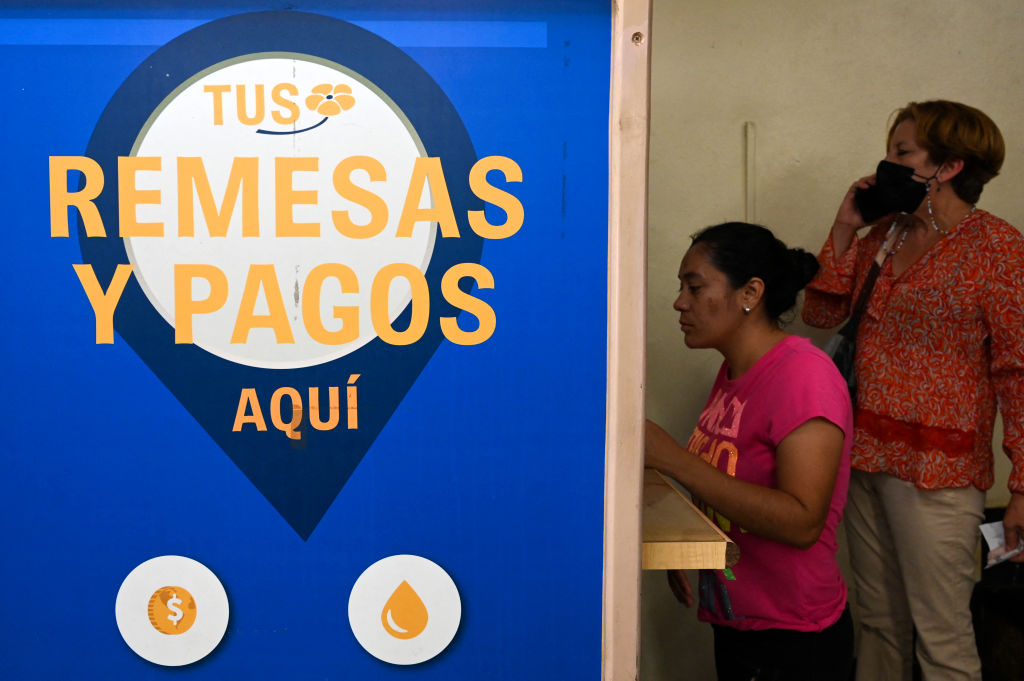
Use a fiat on-ramp service like MoonPay or Coinbase to purchase stablecoins. Link your bank account or debit card to the exchange. Buy the exact amount you intend to send, keeping in mind that some platforms charge higher fees for instant card purchases. Transfer the tokens from the exchange to your personal wallet address to ensure you hold the assets directly.
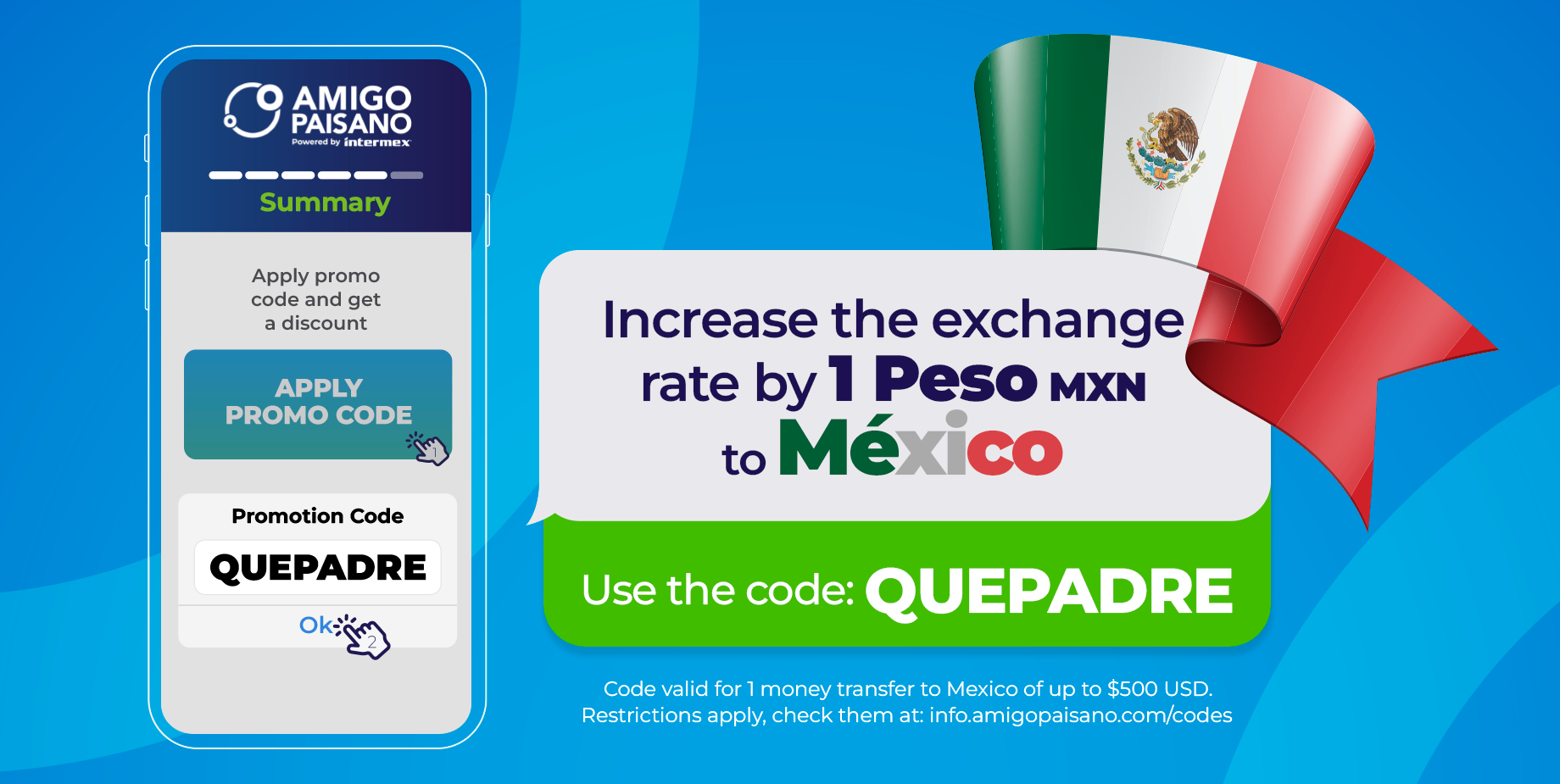
Ask your recipient for their wallet address. Double-check the first and last six characters of the address to avoid sending funds to the wrong person. Select the correct network (e.g., Ethereum or Solana) that matches both your wallet and the recipient’s. Send the transaction and save the transaction hash (TXID) as proof of payment.

The recipient must use a local peer-to-peer (P2P) platform like Binance P2P or Bybit to convert USDC/USDT into local currency (MXN, COP, BRL). They list their bank account details, and a buyer sends the local currency directly to their bank. Once confirmed, the platform releases the stablecoins to the recipient. This step allows them to receive cash in their local bank account or digital wallet within minutes.
This process relies on the recipient having a way to convert crypto to local cash. In many Latin American countries, P2P markets are highly active, making it easy to find buyers. Always recommend that your recipient verifies the receipt of funds in their bank account before the P2P platform releases the crypto to them, preventing common scams.
Avoid common transfer mistakes
Small errors in the transfer process can significantly reduce the amount your family receives. Hidden fees, incorrect network selections, and poor exchange rates are the most common ways remittances lose value before they reach their destination.
Watch for hidden fees
Many services advertise low transfer fees but compensate with inflated exchange rates. Always check the total amount the recipient will get, not just the fee listed on the checkout page. Transparent services show the exchange rate and all costs upfront. Research the provider’s total cost structure before sending. Check if the service charges for the transfer, the payment method, or the withdrawal.
Select the correct blockchain network
If you are using cryptocurrency to send money, choosing the wrong network can result in lost funds or high withdrawal fees. For example, sending USDT via the ERC20 network (Ethereum) often incurs high gas fees, while the TRC20 network (Tron) is typically much cheaper. Ensure the recipient’s wallet supports the network you choose. Sending to an incompatible network can result in permanent loss of funds.
Understand the 2026 remittance tax
A new 1% remittance transfer tax begins on January 1, 2026. This tax applies when you pay with cash, money orders, or cashier’s checks. It does not apply to bank transfers or debit card payments. Plan your payment method accordingly to avoid unexpected deductions. The IRS has issued proposed regulations on this new tax.
Verify recipient details
Double-check the recipient’s name, account number, and bank details. A single digit error can delay the transfer or send the money to the wrong person. Most services do not allow you to change recipient details once the transfer is initiated. Take a moment to verify every field before confirming the transaction.
Best apps for sending money to Latin America
Choosing the right platform depends on whether you prioritize speed, low fees, or currency flexibility. For most senders, digital-first services like Remitly and Wise offer the best balance of transparency and cost. These platforms typically use the mid-market exchange rate and charge a clear, upfront fee, avoiding the hidden markups common in traditional bank transfers.
If you are comfortable with digital assets, crypto wallets provide an alternative route that often bypasses traditional banking delays. However, you must secure your private keys with a dedicated hardware wallet to prevent loss or theft. For fiat transfers, services like Ria and Western Union remain reliable for cash pickup options, though fees can vary significantly based on the payout method.
Recommended hardware wallets
For crypto transfers, security is non-negotiable. These devices store your private keys offline, protecting your funds from online hacks.


As an Amazon Associate, we may earn from qualifying purchases.
Key services to consider
- Remitly: Best for speed. Offers express transfers to bank accounts and cash pickup locations across Latin America.
- Wise: Best for exchange rates. Uses the real mid-market rate with a transparent fee structure.
- Ria: Best for cash access. Widely available for pickup at agent locations in rural and urban areas.
Note: Beginning January 1, 2026, a 1% remittance transfer tax applies to payments made with cash, money orders, or cashier’s checks. Digital bank transfers remain unaffected.
No comments yet. Be the first to share your thoughts!