Why stablecoins lead LATAM remittances
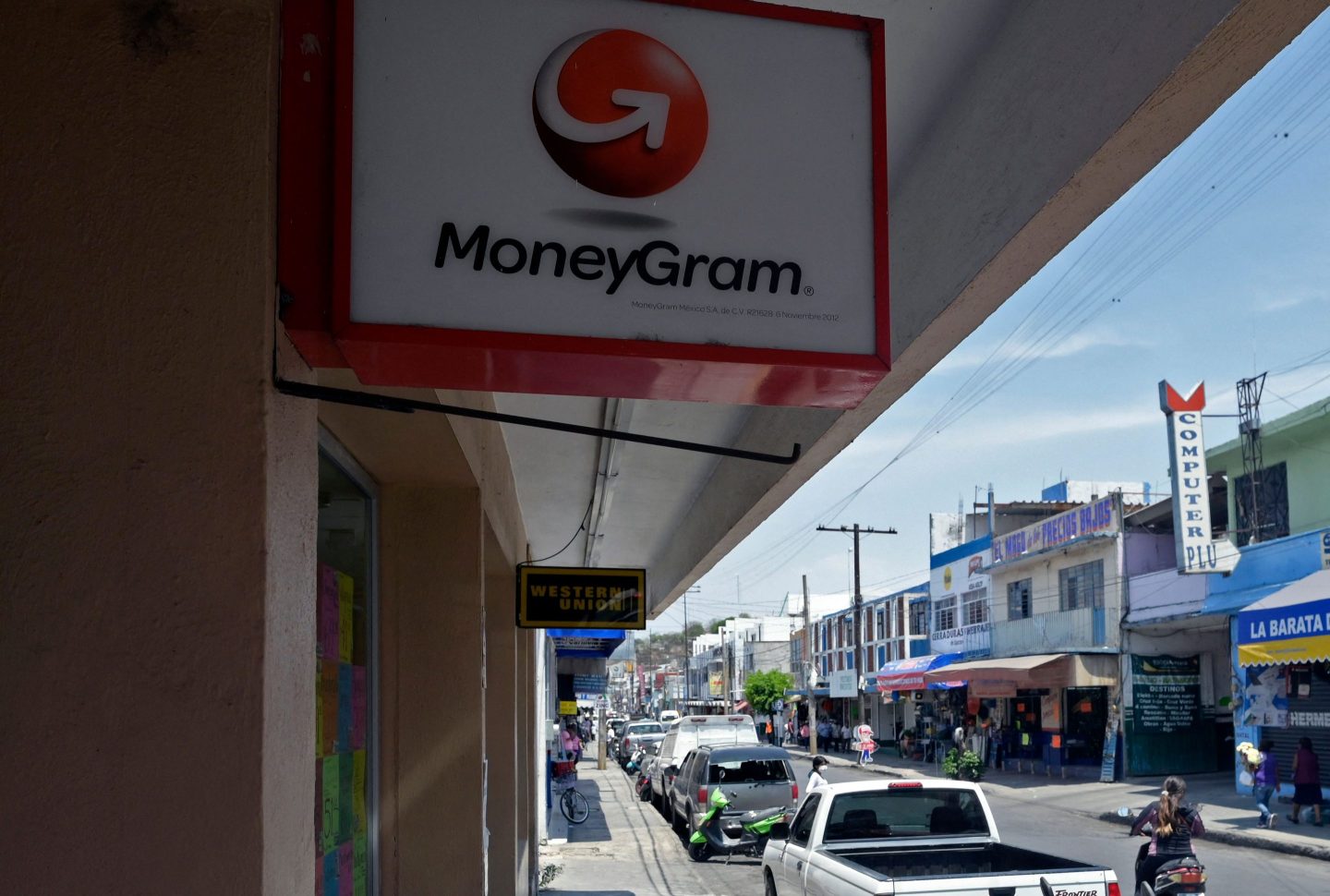
Remittances are the financial backbone for much of Latin America, with countries like Mexico, El Salvador, and the Dominican Republic relying on these inflows to sustain households and local economies. For families in the region, sending money home is not a luxury; it is a necessity. Yet traditional corridors have long been plagued by high fees that can eat up 7-10% of every transfer, and settlement times that stretch across days.
Stablecoins like USDC and USDT are solving these friction points by offering near-instant settlement at a fraction of the cost. Instead of routing funds through multiple correspondent banks, users can move value across borders on public blockchains. The impact is measurable: remittances using cryptocurrencies grew 900 percent worldwide last year, with Venezuela, Argentina, Brazil, Mexico, and El Salvador showing high levels of adoption as citizens seek alternatives to volatile local currencies and expensive legacy banking.
The shift is accelerating. According to Mastercard’s research on the future of remittances in Latin America, these trends are pushing the digital agenda, generating an incremental US$20 billion in digital remittances by 2026. Stablecoins have become the preferred vehicle for this shift because they combine the stability of the US dollar with the speed of digital networks, making them ideal for the region’s high-volume, low-margin remittance corridors.
5 Best Crypto Remittance Apps for Latin America in 2026
Sending money across borders in Latin America requires speed, low fees, and regulatory compliance. These five crypto remittance apps streamline cross-border transfers for users in 2026.
1. Bitso peer-to-peer transfer features
Bitso operates as Mexico’s largest regulated crypto exchange, offering a streamlined peer-to-peer ecosystem for LATAM users. Its interface simplifies sending pesos and cryptocurrencies directly between friends and family without complex intermediary steps. The platform’s regulatory compliance provides a layer of trust often missing in informal remittance channels.

2. Binance Pay remittance capabilities
Binance Pay enables instant, fee-free transfers between Binance users, making it ideal for families with shared accounts. This feature bypasses traditional banking rails, allowing recipients to access funds immediately via mobile devices. The integration with local bank accounts further bridges the gap between crypto and fiat currency in Latin America.
3. Paxful escrow service for LATAM
Paxful’s escrow service protects buyers and sellers during peer-to-peer Bitcoin transactions, crucial for trust in LATAM markets. Users can choose from diverse payment methods, including local bank transfers and mobile wallets, accommodating varying financial infrastructures. This flexibility ensures that even unbanked individuals can participate in the global crypto economy safely.

4. Binance P2P merchant verification
Binance P2P merchant verification adds a layer of security for high-volume remitters in Latin America. Verified merchants undergo stricter identity checks, reducing fraud risks for both senders and receivers. This system fosters a more reliable marketplace for converting crypto to local fiat currencies, enhancing user confidence in cross-border transactions.

5. LocalBitcoins alternative platforms
With LocalBitcoins shutting down, alternative platforms have emerged to serve LATAM’s peer-to-peer crypto needs. These new entrants offer similar functionalities, such as direct user-to-user trades and diverse payment options. Users must research each platform’s reputation and fee structure to ensure secure and cost-effective remittance solutions for their families.

How to choose the right app for your corridor
Selecting a crypto remittance app depends less on global reputation and more on local infrastructure. The best tool for sending money to Mexico will fail if you are trying to send to Argentina, because the payout rails and regulatory barriers differ drastically between countries. You must match the app’s supported corridors and payout methods to your specific recipient’s reality.
Mexico and Colombia: Bank deposits dominate
In Mexico and Colombia, bank integration is mature. Apps like Bitso (Mexico) and Wally (Colombia) allow direct deposits into local bank accounts or digital wallets like Nequi. This is the preferred method for most users because it is fast, cheap, and leaves a clear digital trail. If your recipient has a bank account or a mobile money wallet, prioritize apps that support direct fiat withdrawal to these local rails. Avoid apps that only offer crypto-to-crypto transfers, as your recipient will need a separate exchange to cash out.
Argentina: Cash pickup and stablecoins
Argentina presents a different challenge due to strict currency controls and high inflation. While some apps support bank transfers, many users rely on cash pickup services or peer-to-peer (P2P) markets to bypass restrictions. Apps like Binance P2P or local exchanges like Ripio often facilitate this by connecting senders with local buyers who can provide cash or local currency via transfer. If your recipient is in Argentina, check if the app supports stablecoin (USDT/USDC) settlements that can be easily converted to pesos locally, or if it offers physical cash pickup partners.
Payout preference: Bank vs. Cash
The final decision rests on your recipient’s access. Bank deposits are ideal for tech-savvy recipients who can manage digital wallets and want lower fees. Cash pickup is essential for unbanked recipients or those in rural areas with limited internet access. Always ask your recipient how they prefer to receive funds before choosing an app. Sending to a bank account when they need cash will result in failed transactions or high conversion losses.

![Billfodl [BUNDLE] Ledger Nano S Hardware Wallet for Seed Words BackUp | The Best Crypto Wallet + Cold Wallet for Crypto Compatible with BIP39 Wallets. Store your Bitcoin, Ethereum, ERC20 and more](https://m.media-amazon.com/images/I/71lncpzcfkS._AC_UY654_QL65_.jpg)
As an Amazon Associate, we may earn from qualifying purchases.
Security and regulatory risks to watch
Crypto remittances move fast, but the regulatory landscape in Latin America shifts just as quickly. Using unregulated platforms exposes users to frozen funds, lost assets, and compliance violations. Even reputable apps face scrutiny as governments tighten anti-money laundering (AML) rules across the region.
Prioritize platforms with clear licensing, such as Bitso in Mexico or Mercado Bitcoin in Brazil. These apps operate under local financial regulations, offering a layer of protection that offshore exchanges often lack. Always verify that the app you choose has a physical presence and registered entity in the destination country.
Exchange risk is another hidden cost. While fees may be low, the spread between buy and sell prices can erode remittance value. Stick to apps with transparent fee structures and real-time exchange rates to ensure your family receives the full amount intended.
Frequently asked questions about crypto remittances
Are crypto remittances safe from price swings? Yes, if you use stablecoins. Platforms like Binance Pay and Wally allow users to send USDT or USDC, which are pegged to the US dollar. This protects the sender and receiver from the volatility of assets like Bitcoin or Solana during the transfer window.
Is it legal to send crypto to Latin America? Legality varies by country. Brazil has established clear regulatory frameworks for crypto assets, while El Salvador treats Bitcoin as legal tender. In other nations, using crypto for personal remittances exists in a gray area; always check local regulations before sending funds.
How fast are crypto transfers compared to banks? Crypto transfers are nearly instant. While traditional bank wires can take 3-5 business days to clear across borders, stablecoin transactions on networks like Solana or XRP Ledger typically settle in seconds, making them ideal for urgent family support.
No comments yet. Be the first to share your thoughts!